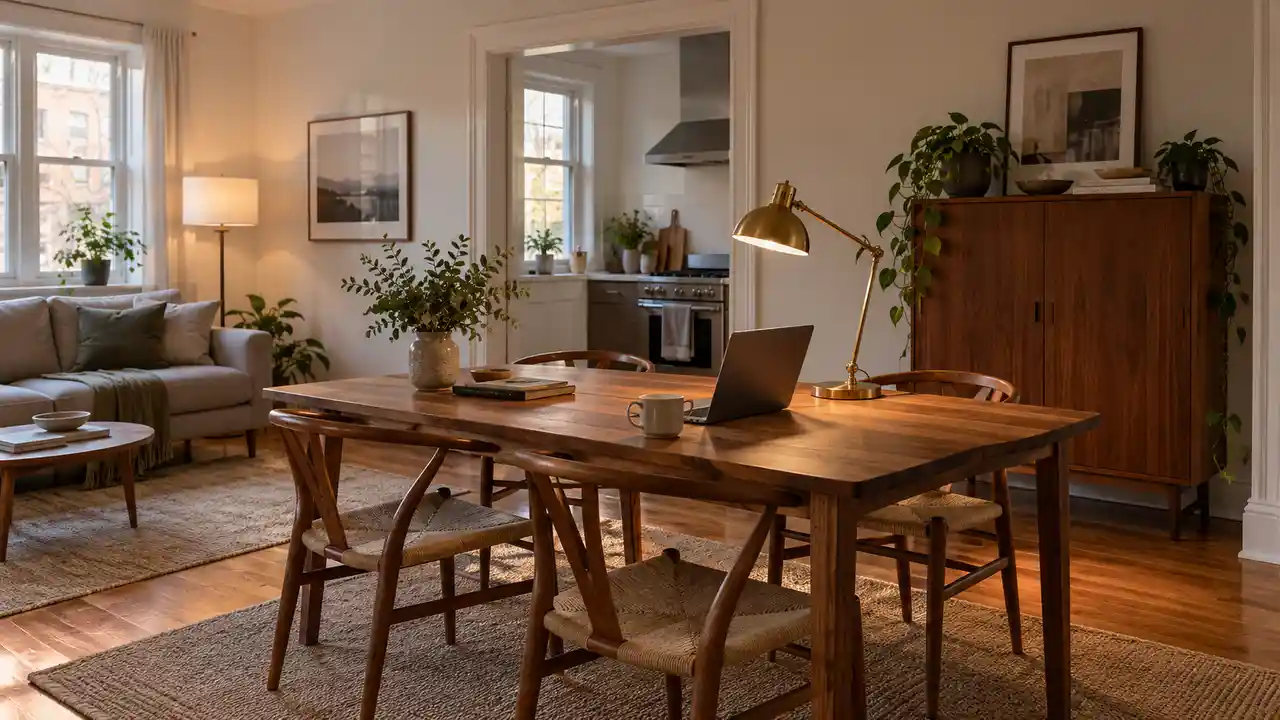
The best answer to how to decorate a men’s apartment starts with an ordinary day. Where do your shoes land? Can you read comfortably after dark? Is the dining table always covered with work? Those small questions lead to decorating choices that feel good long after the room is photographed. Style can come from useful materials, sensible storage, and objects connected to your interests. You do not need a prescribed look. These ideas focus on everyday habits, helping you build a home that is easier to use, easier to reset, and still full of details you enjoy seeing.
1. Design the Arrival Routine
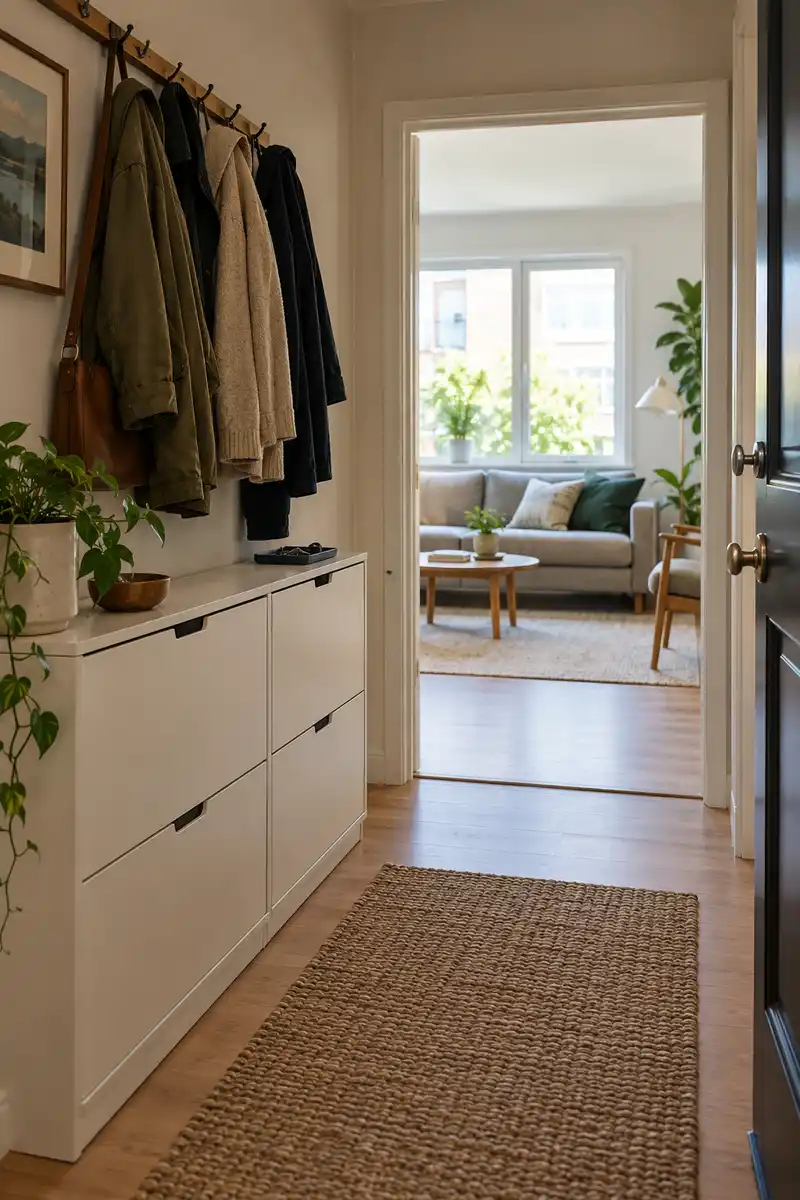
Think about what happens in the first minute after you walk through the door. Shoes come off, a coat needs a home, and tomorrow’s bag usually lands somewhere. Arrange the entry around that sequence, putting each useful piece where your hands already reach rather than where a photograph suggests.
A shallow shoe cabinet can create a calmer entrance than a row of loose pairs. Check that it opens without catching the door, and keep only the shoes in current use here. Choose a finish you like seeing, since a hardworking entry deserves the same care as the living room.
2. Match Fabrics to Habits
- Check the maker’s care instructions.
- Consider how often the seat gets used.
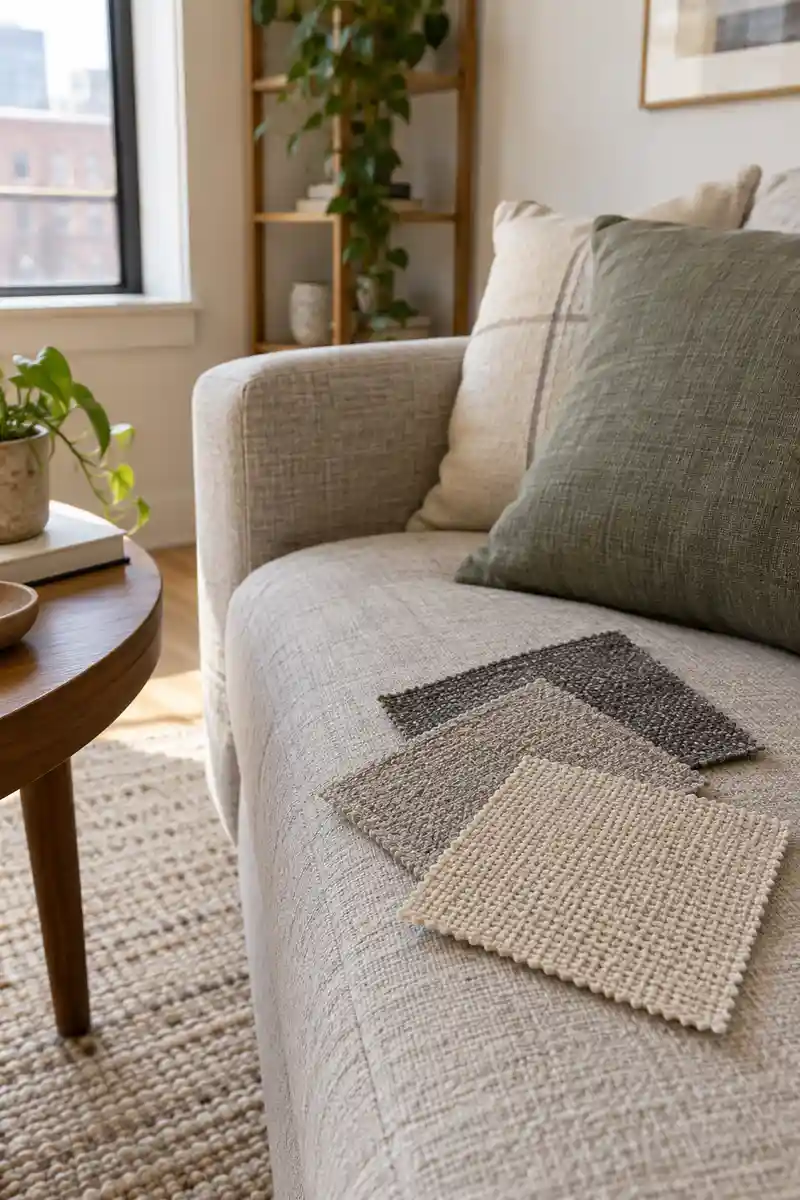
- Ask for a fabric sample when possible.
- Compare the sample beside existing furniture.
Choose upholstery for the way the apartment operates. A pale textured fabric may suit a quiet reading seat, while the sofa used for daily meals needs a realistic cleaning plan. No fabric is effortless. Understanding the care routine is more useful than relying on an appealing color name or photograph.
3. Separate Light by Task
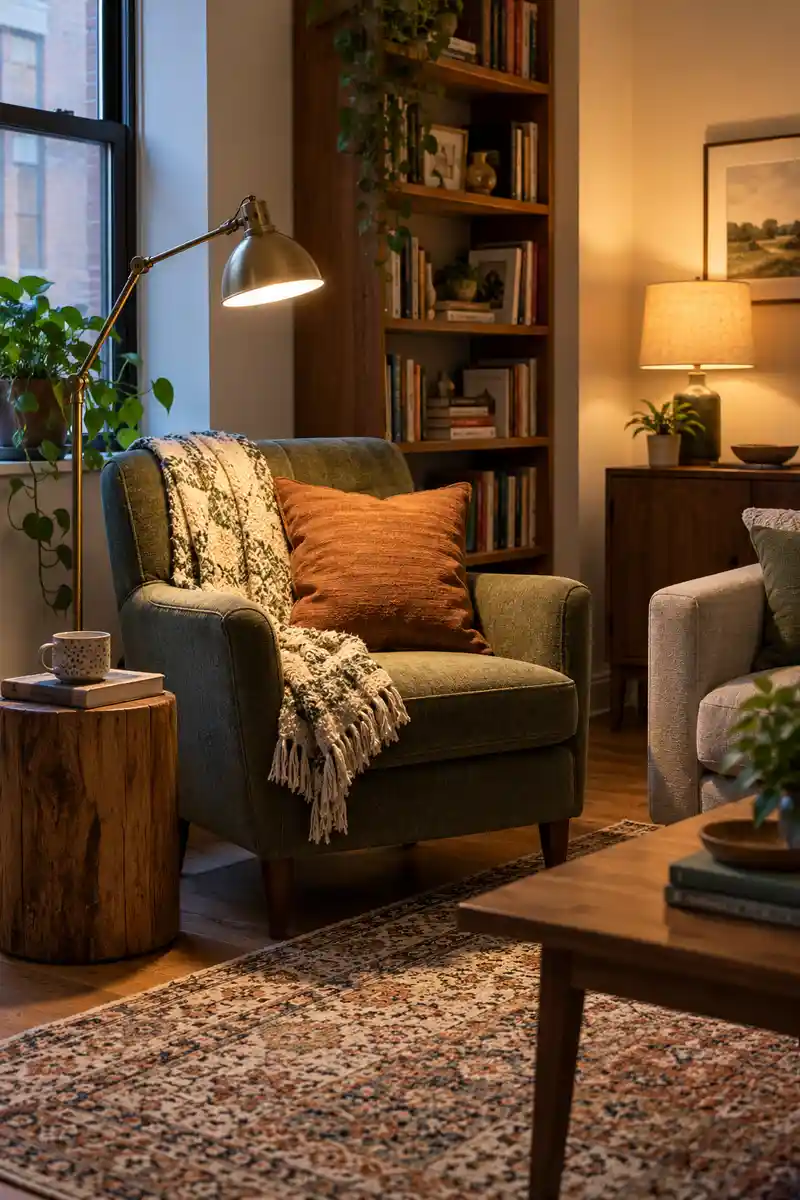
Quick tip: Turn on only the light you need for your current activity. Reading, cooking, and relaxing usually benefit from different positions and levels of light.
Plan the lamp position from your eyes and hands. A reading light should help the page without shining directly into your face, while a low shaded lamp can soften the room after work. Keep cables out of walking routes and choose fixtures designed for their intended location and use.
4. Contain the Charging Spot
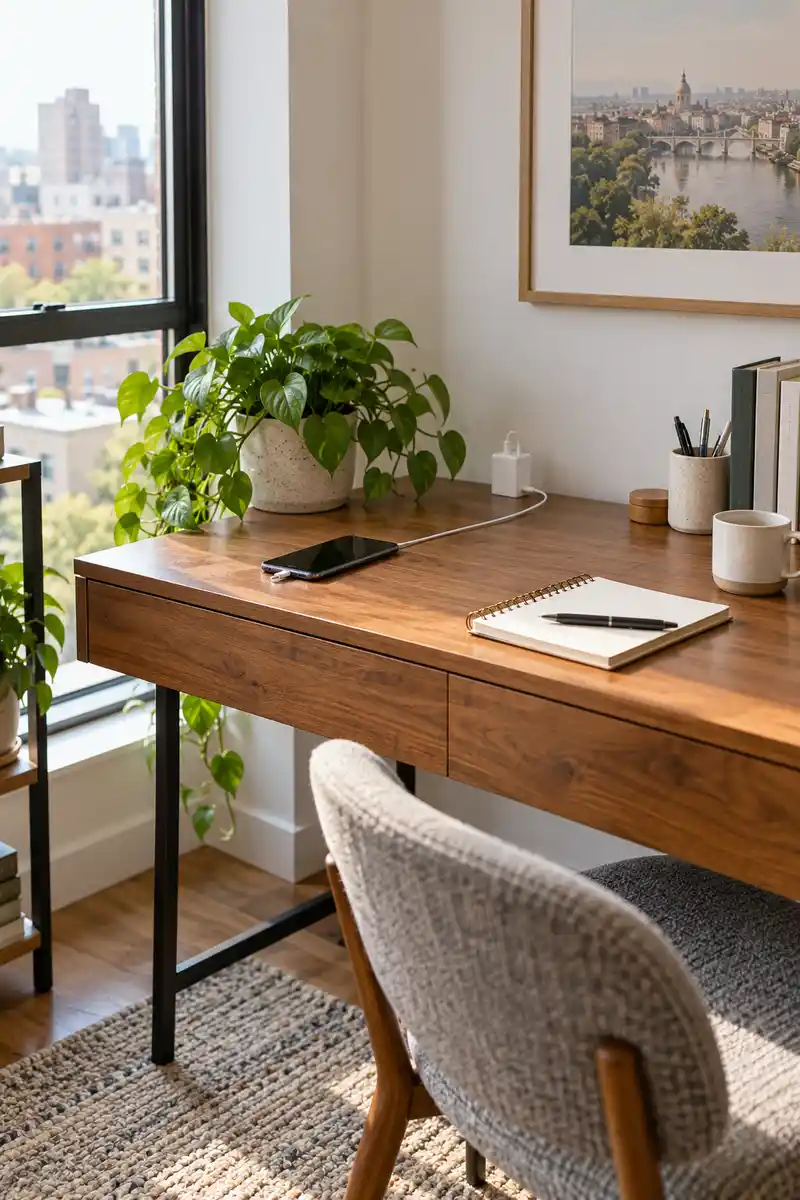
Before: Chargers spread across the sofa and dining table. Devices spend the evening wherever an outlet happens to be nearby.
After: One open desk corner holds the everyday charging equipment. The adjacent work surface stays clear.
Choose a ventilated, accessible place for charging and follow device instructions. Keep chargers visible enough to check and away from water, fabric piles, or crowded drawers. You can make the area look quieter with a simple cable guide without hiding equipment in a closed box while it is in use.
5. Create a Laundry Landing
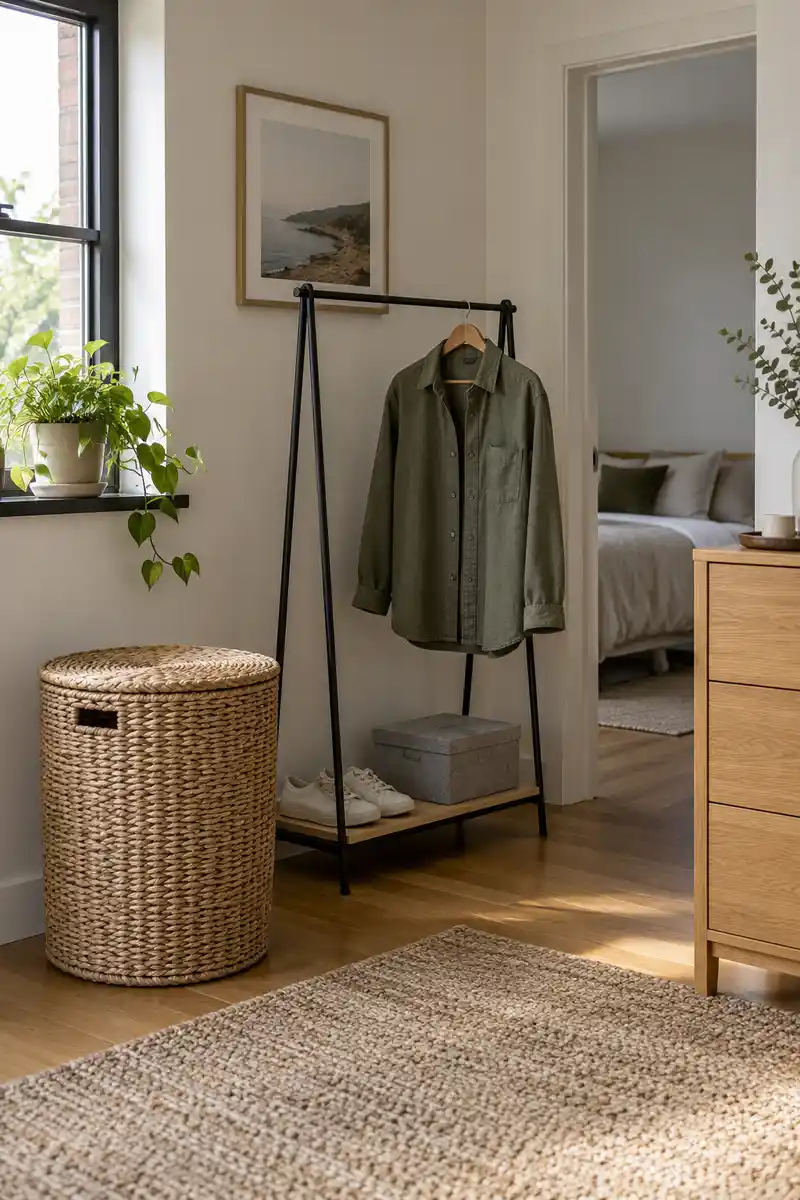
- Put a hamper where clothes actually collect.
- Choose a size you can comfortably carry.
- Leave space to open its lid or remove its bag.
- Keep a separate home for clothes worth wearing again.
Laundry storage works better when it recognizes the halfway stage between clean and ready to wash. A short rail or one designated hook can hold tomorrow’s overshirt without taking over a chair. Choose a hamper that suits the room visually, then make emptying it part of the regular routine.
6. Choose the Right Surface
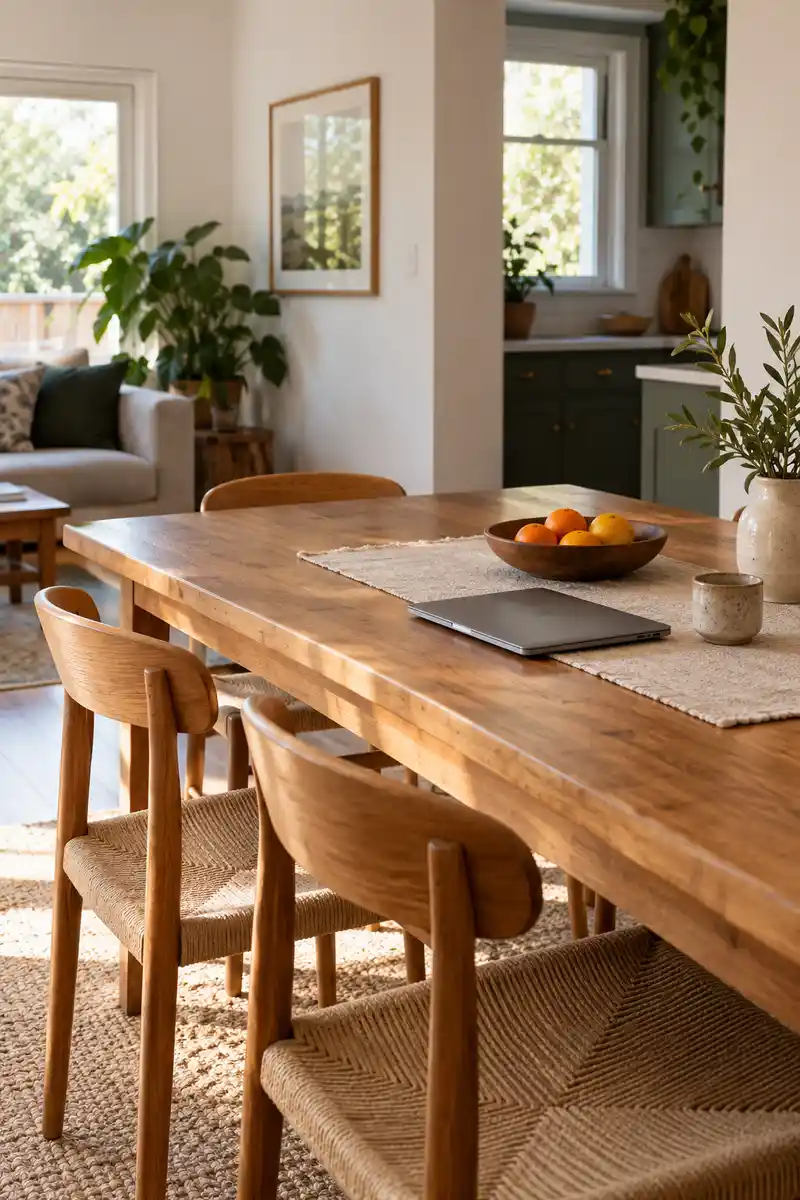
Sealed wood table
Appearance: Natural variation and grain
Care: Follow finish-specific guidance
Decision point: Enjoy the material and upkeep
Laminate table
Appearance: Consistent color or pattern
Care: Follow manufacturer cleaning guidance
Decision point: Prioritize the stated everyday use
Compare surfaces by the work they will do, then read the specific care guidance before buying. A table used for meals, projects, and laptop work needs a different level of attention than a decorative console. Use suitable protection for heat and moisture rather than assuming any finish can handle everything.
7. Keep Cleaning Access Clear
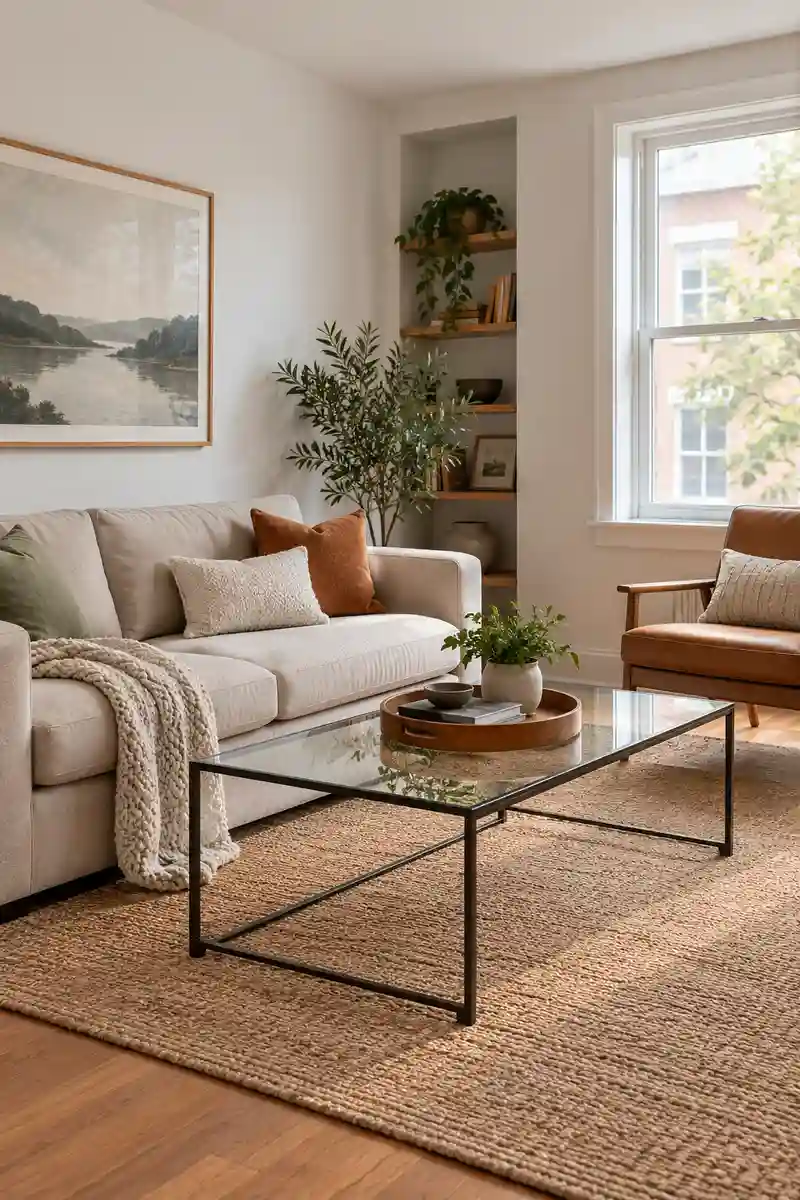
- Do: Leave reachable space around furniture.
- Do: Choose storage you can open fully.
- Do: Keep a cleaning kit together.
- Don’t: Fill every gap with baskets.
- Don’t: Hide spills under accessories.
- Don’t: Buy more objects than you enjoy maintaining.
A room that is easy to reset often feels more finished than one with complicated styling. Check whether you can reach the floor beside the sofa and wipe the table without moving ten things. Choose fewer, better placed objects if cleaning the apartment currently requires a long round of rearranging.
8. Organize by Frequency
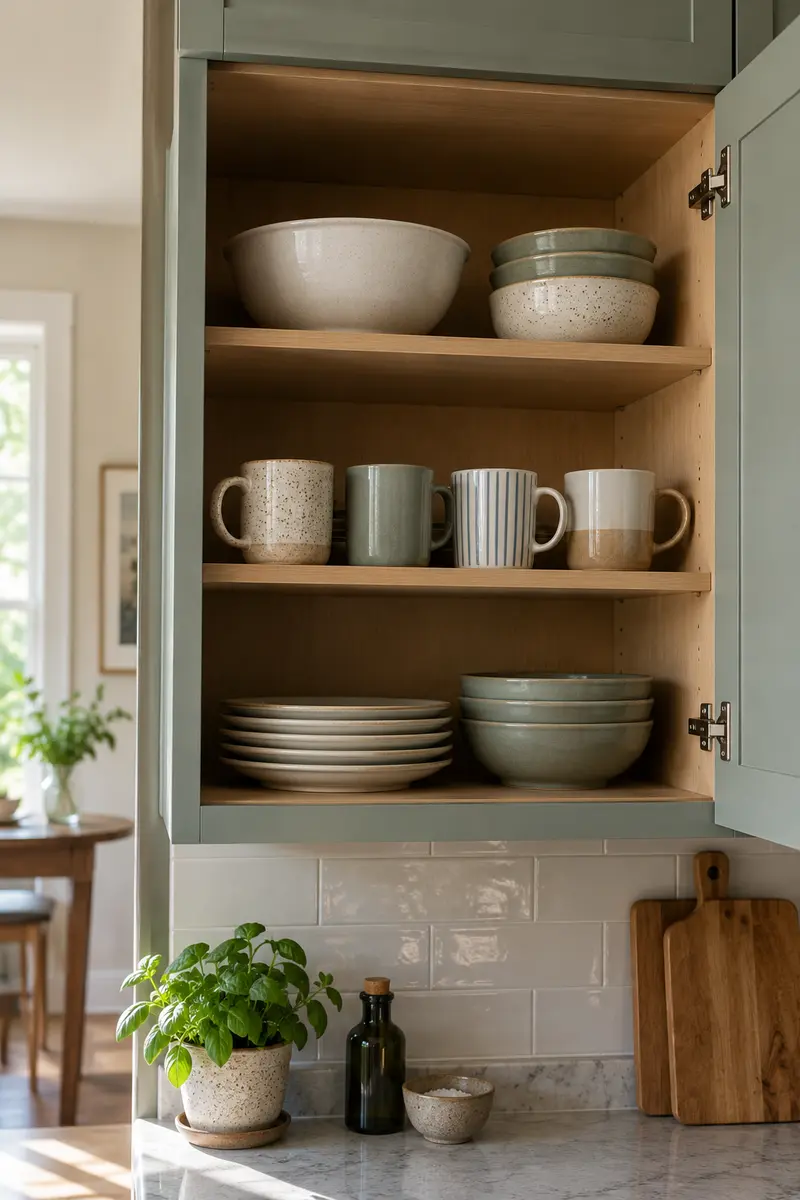
- Daily: Keep essentials easy to reach.
- Weekly: Use a nearby cupboard or drawer.
- Occasional: Store less-used items farther away.
- Display: Reserve open space for things you enjoy seeing.
Storage should follow use rather than category alone. Your everyday mug may deserve the easiest shelf, while a matching serving bowl can live higher up. Move the things you constantly fetch into comfortable reach. This small adjustment can make existing cupboards work better without adding a single new organizer.
9. Make Work Pack Away
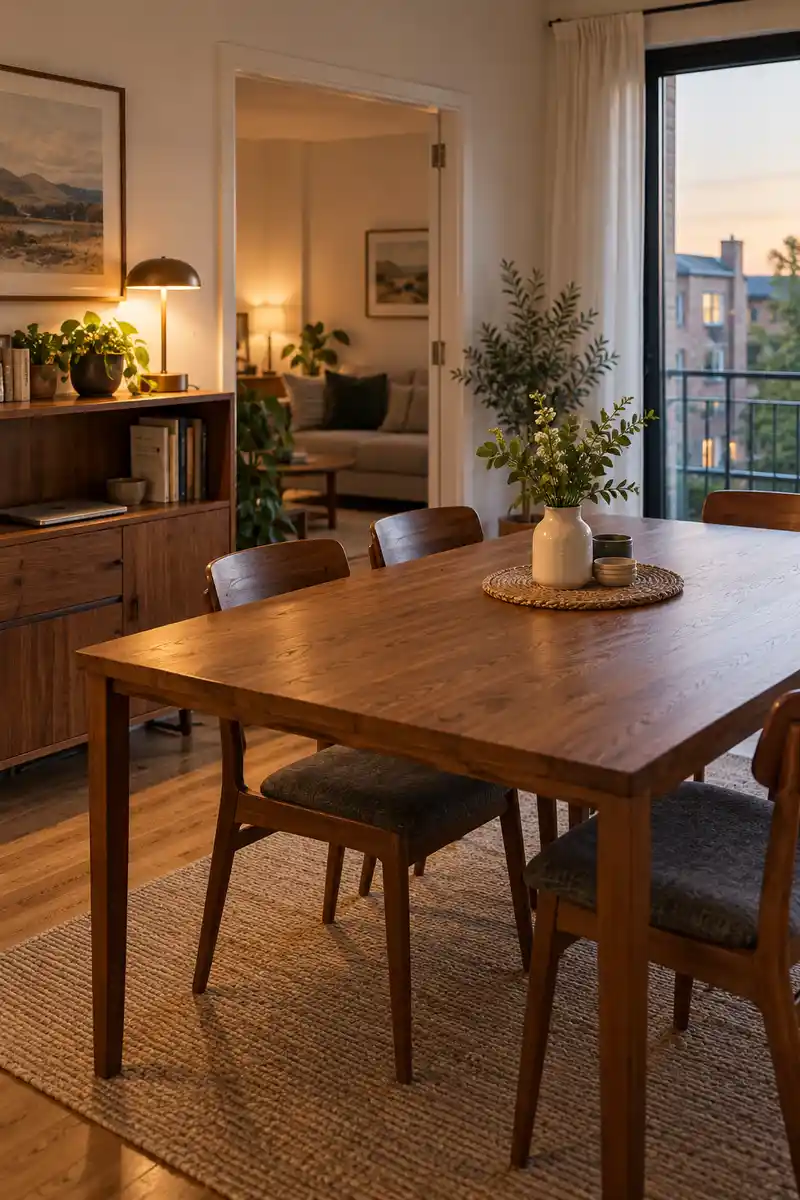
Choose a clear end point for work in a shared living space. A cabinet shelf, desk drawer, or portable work basket can hold the laptop and notebook after you finish. Measure the actual equipment first so you do not create a tidy-looking home that cannot hold the necessary pieces.
The room should offer an obvious place for evening life once work is away. Leave the dining table ready for a meal or close the desk drawer before you sit down to relax. For a fuller setup, see these studio home office ideas and adapt them to your equipment.
10. Plan the Coffee Routine
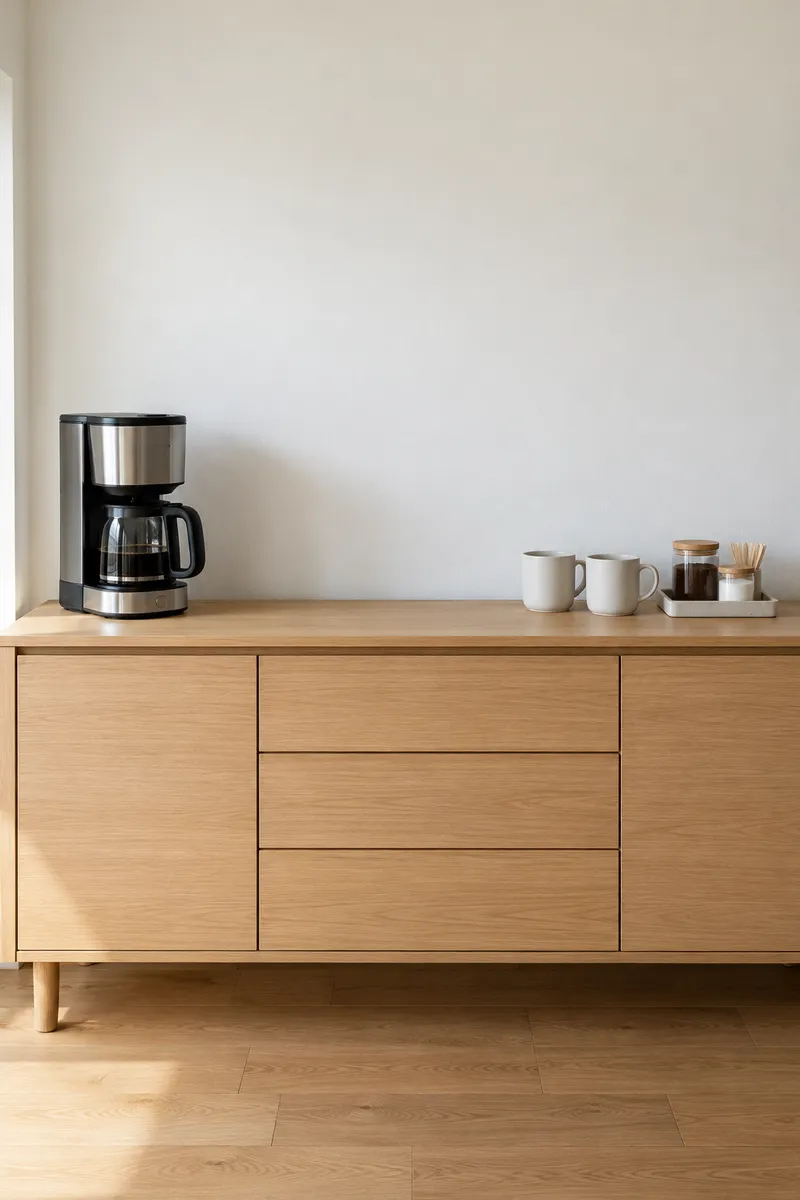
- Keep mugs near the place you prepare drinks.
- Store supplies together in a cupboard.
- Leave the appliance working area clear.
- Choose one wipeable tray for small loose items.
Arrange the station in the order you use it, from reaching for a mug to putting supplies away. Keep the decorative part modest so refilling and wiping down remain easy. Follow appliance placement instructions, and give the machine the space it needs rather than surrounding it with plants and framed pictures.
11. Use Adjustable Seating
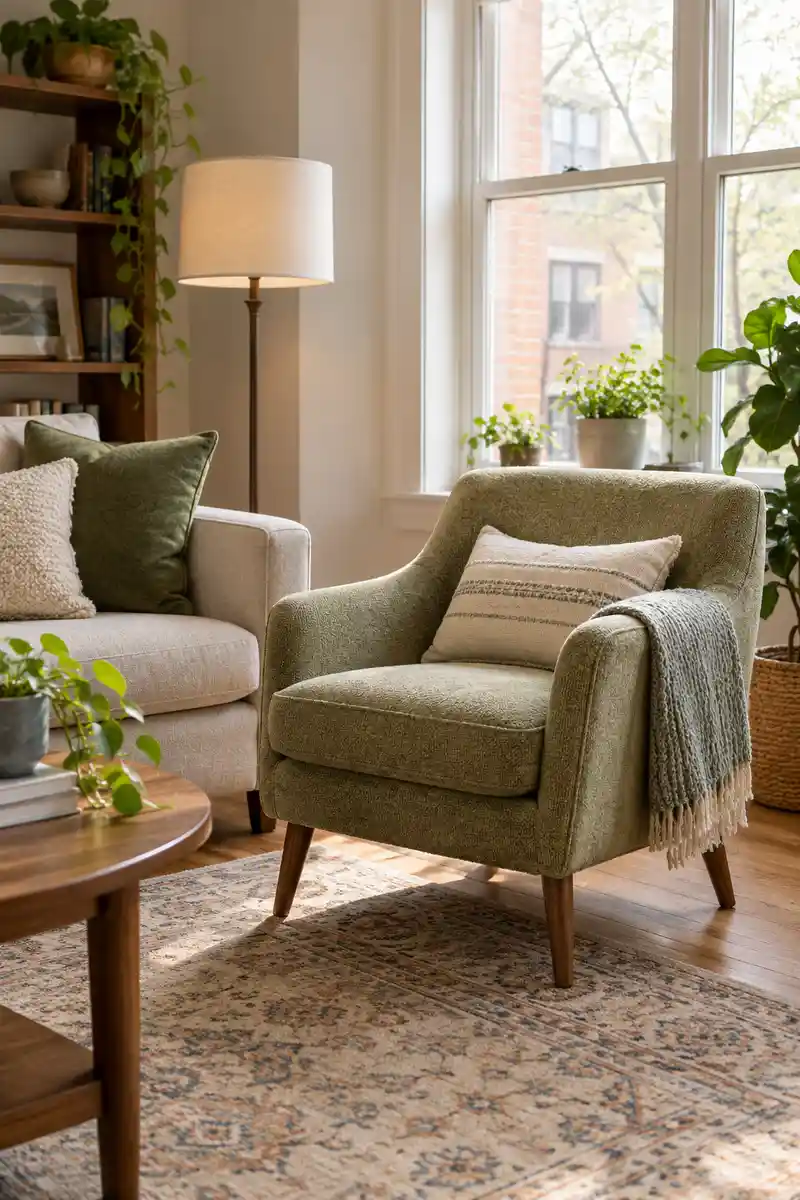
Quick tip: Try different chair positions before deciding a layout is fixed. One light occasional chair can face the sofa for conversation or turn toward a window for a quiet break.
Flexibility helps when one room handles several moods during the day. Choose a chair that is comfortable enough to use and practical enough to move without strain. Keep its alternative position clear too; an adaptable piece loses its value if every other useful spot has already become permanent storage.
12. Quiet the Visual Noise
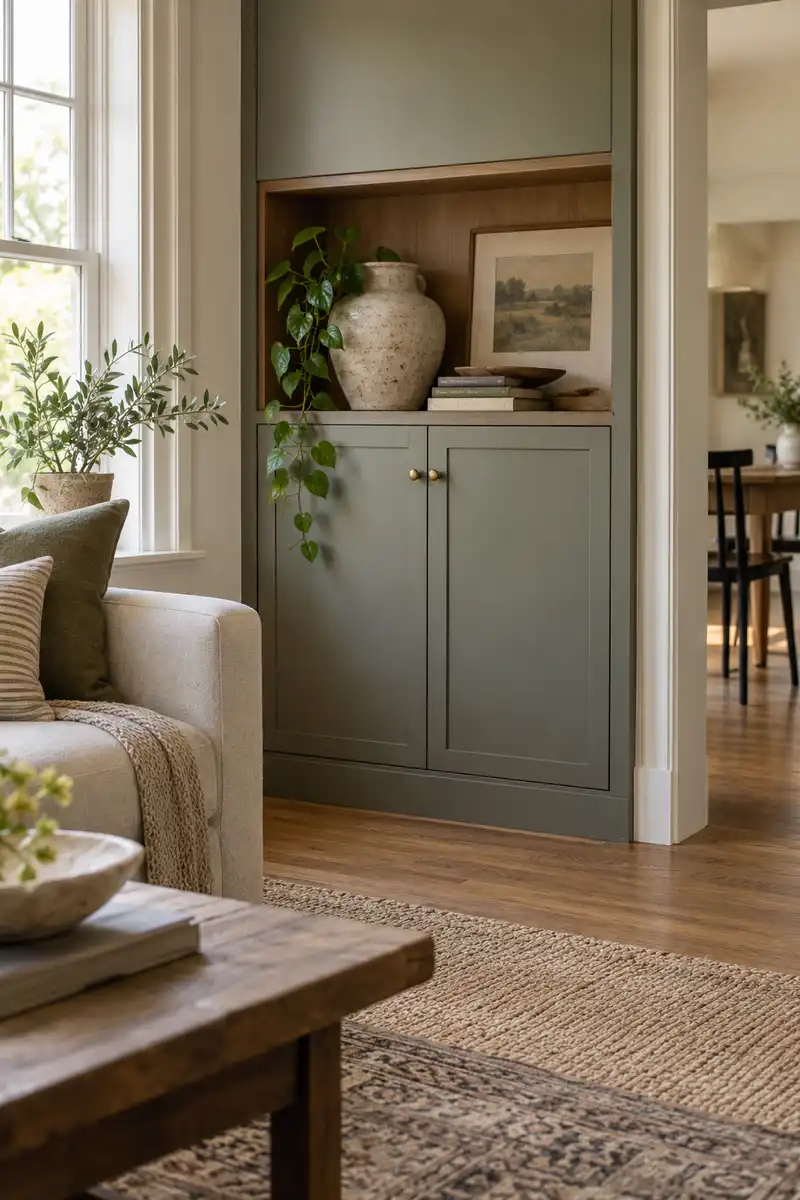
Before: Open shelves hold paperwork, cables, spare bottles, and a few favorite objects together. Everything competes for attention.
After: Ordinary supplies move behind cabinet doors. One open shelf holds a small, readable display.
Closed storage is helpful for things you need but do not especially want to look at. Choose it near the place those things are used so tidying stays simple. Leave the open shelves for objects with a clear purpose or personal value rather than filling them because they are empty.
13. Build a Bedtime Routine
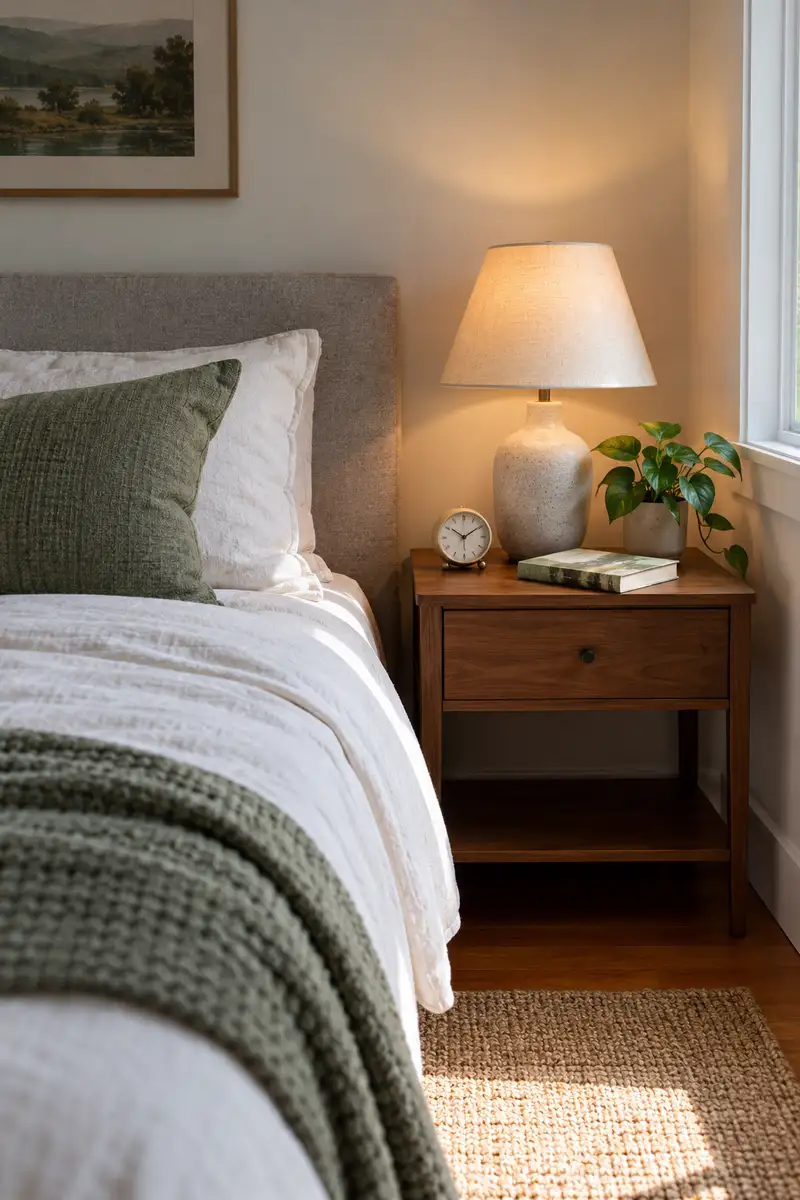
- Keep the current book beside the bed.
- Put tomorrow’s alarm within useful reach.
- Choose one comfortable bedside light.
- Remove work supplies from the sleep area.
A restful bedside setup supports the last few things you do each night. Keep those objects easy to find and put the rest elsewhere. If your phone stays nearby, give it a consistent place rather than losing it under bedding. The surface should still be simple to wipe and reset.
14. Compare Storage Access
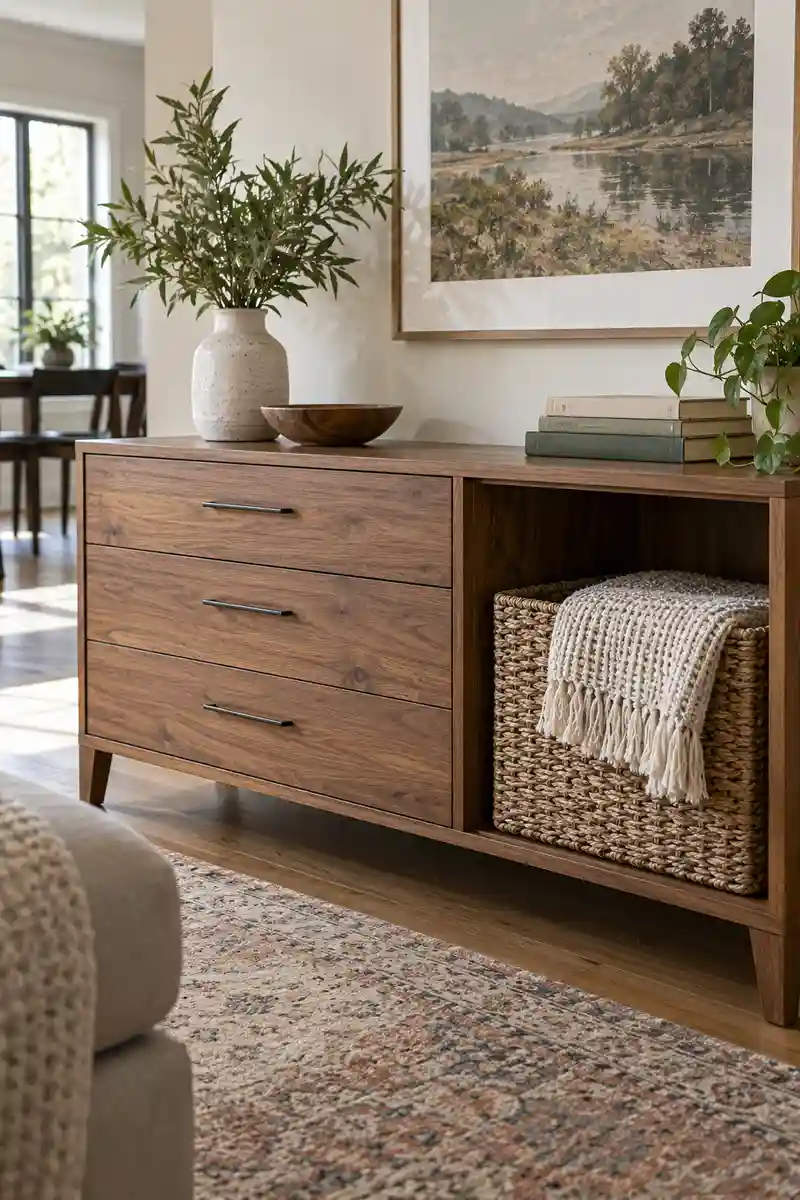
Open baskets
Visibility: Contents partly visible
Access: Easy drop-in storage
Best use: Frequently handled textiles
Closed drawers
Visibility: Contents hidden when shut
Access: Needs space to pull outward
Best use: Small mixed everyday objects
Pick storage by the motion you are willing to repeat. A basket can be useful for a blanket, but tiny accessories may disappear at the bottom. Drawers suit smaller items when they open easily. Avoid choosing an organizer only because it looks tidy when empty in a product photograph.
15. Keep Hobbies Within Reach
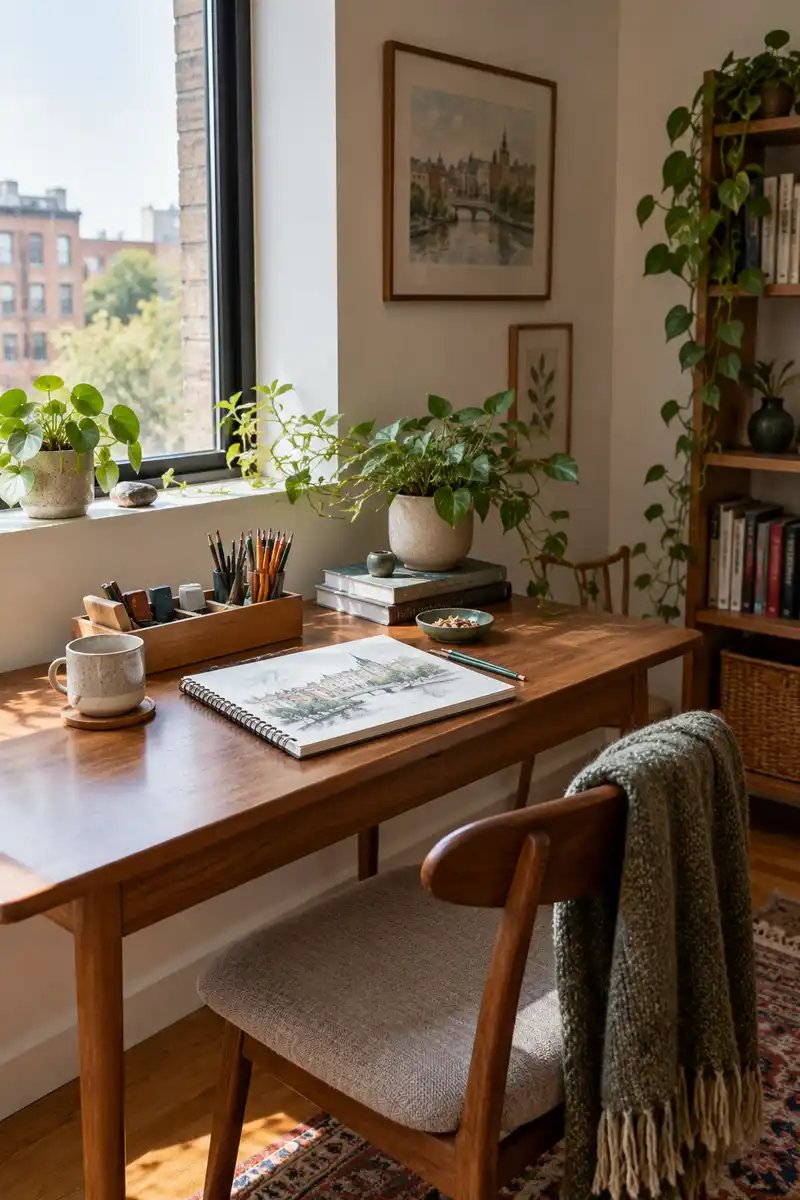
- Do: Give the hobby a real home.
- Do: Store small supplies together.
- Do: Leave room to begin quickly.
- Don’t: Buy display gear you never use.
- Don’t: Block a door with equipment.
- Don’t: Turn every surface into storage.
A guitar, sketchbook, or game collection can shape the room more honestly than generic accessories. Arrange it around use first, then consider the view. Keep equipment on appropriate supports and follow any storage guidance. A hobby corner should make starting easier without making the rest of the apartment harder to use.
16. Choose a Useful Tray
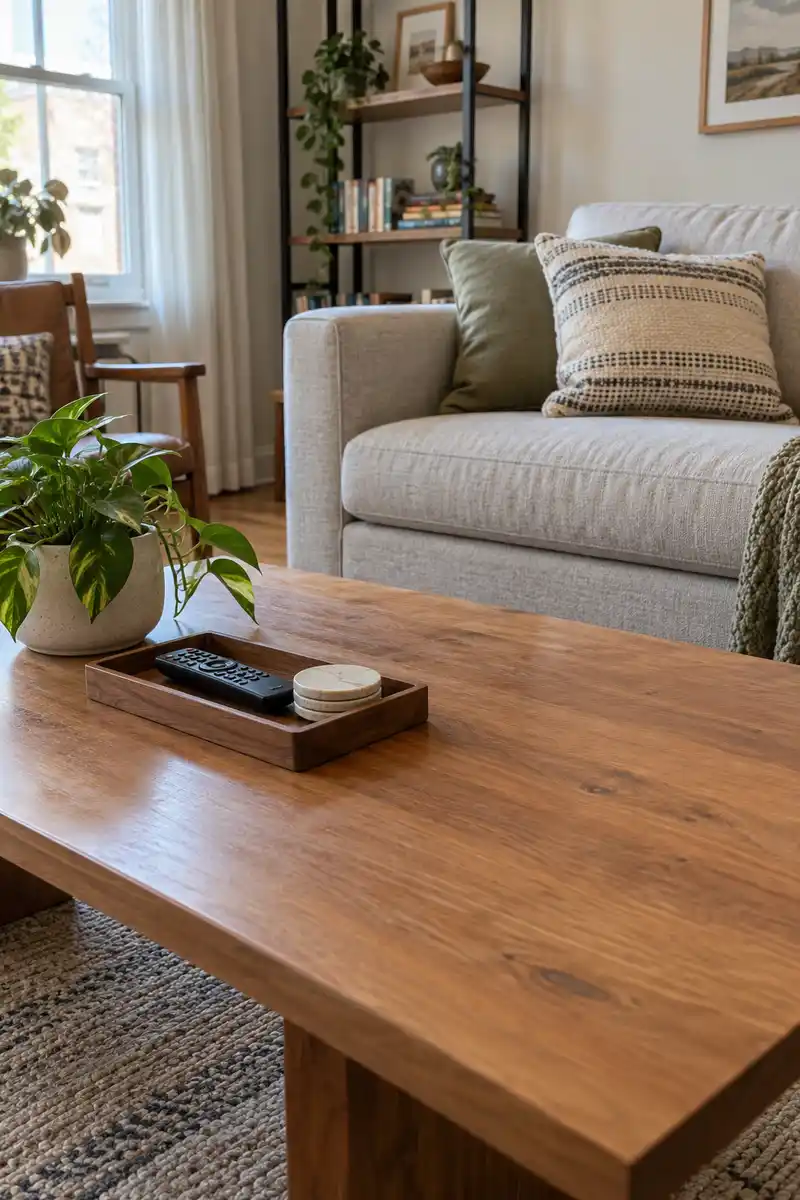
- Size: Fits the items you actually gather.
- Edge: Keeps small objects contained.
- Weight: Comfortable to move when filled.
- Home: A surface where it can stay without obstructing use.
A tray can collect remote controls or hold your evening drink, but it should solve a particular problem. Test a shallow box of similar size before buying one if you are unsure. Leave part of the table open, and empty the tray occasionally so it does not become a permanent junk drawer.
17. Use Repeatable Materials
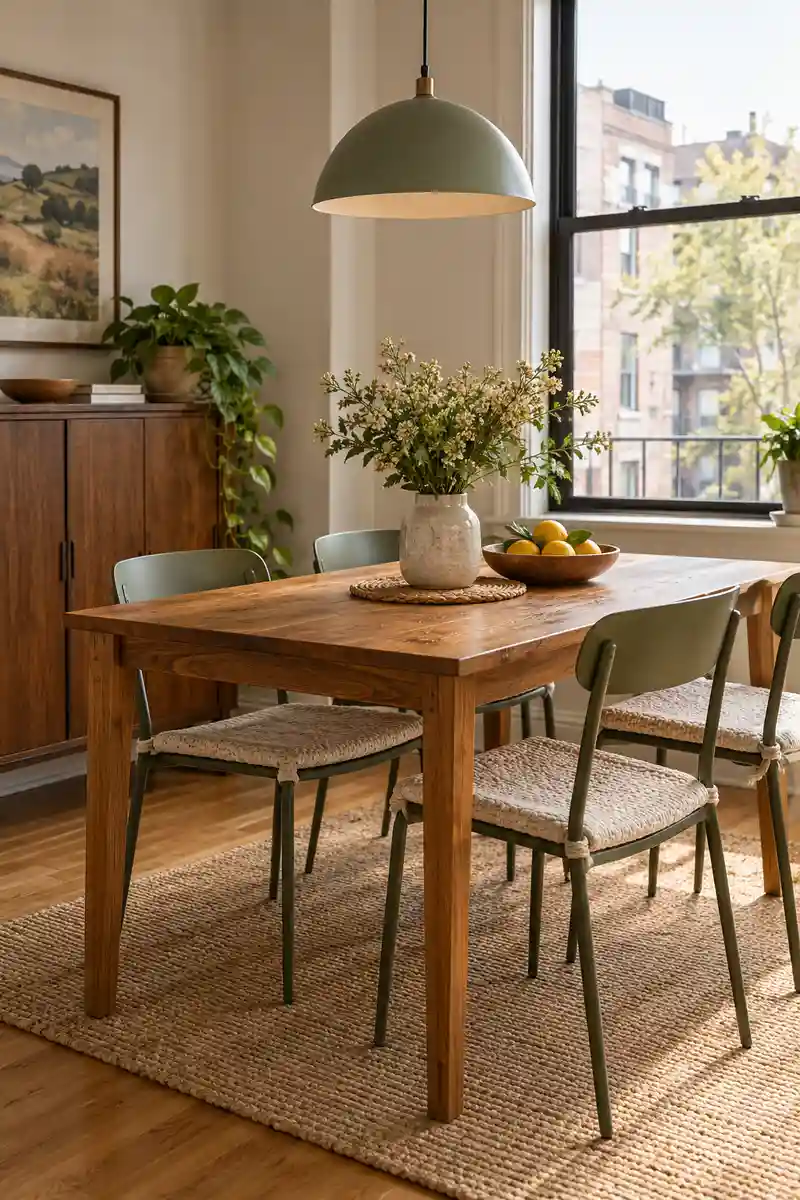
Choose a small group of finishes that can survive ordinary changes in furniture. Warm wood, simple painted metal, and woven cotton might work together, but your own mix can be different. Repeat each material in a useful place so the apartment feels connected without requiring every piece to match.
This approach makes later purchases easier to judge. Ask whether a new piece relates to something already in the room and performs a real job. A lamp base can echo a chair frame, for example, while a different wood tone adds variation without making the whole space feel unrelated.
18. Make Maintenance Visible
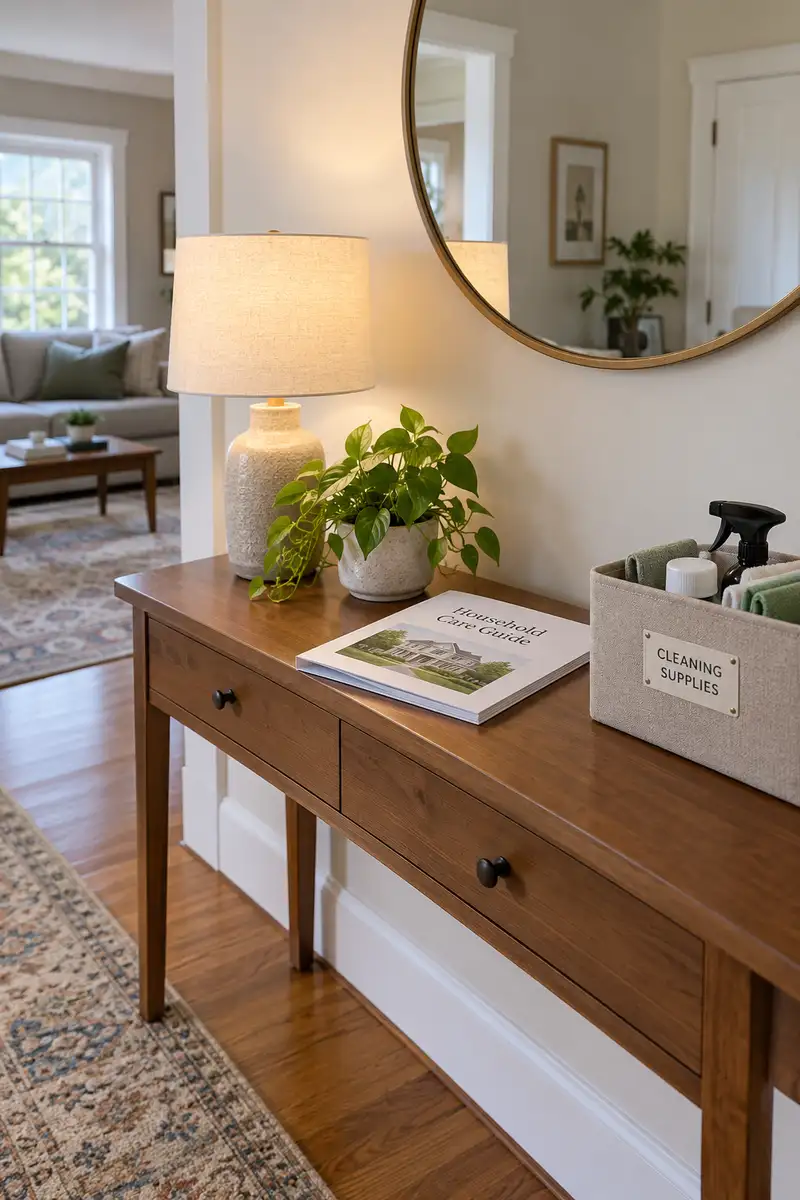
- Keep spare bulbs in one known place.
- Save care instructions with household records.
- Notice loose handles before they worsen.
- Set aside a regular moment for a quick room reset.
Decoration lasts better when small repairs are not ignored. A straight curtain, secure drawer handle, and clean lampshade help a room feel cared for without adding anything. Follow the maker’s instructions for maintenance, and get qualified help for work beyond your skills rather than treating every repair as a styling project.
19. Review an Ordinary Day
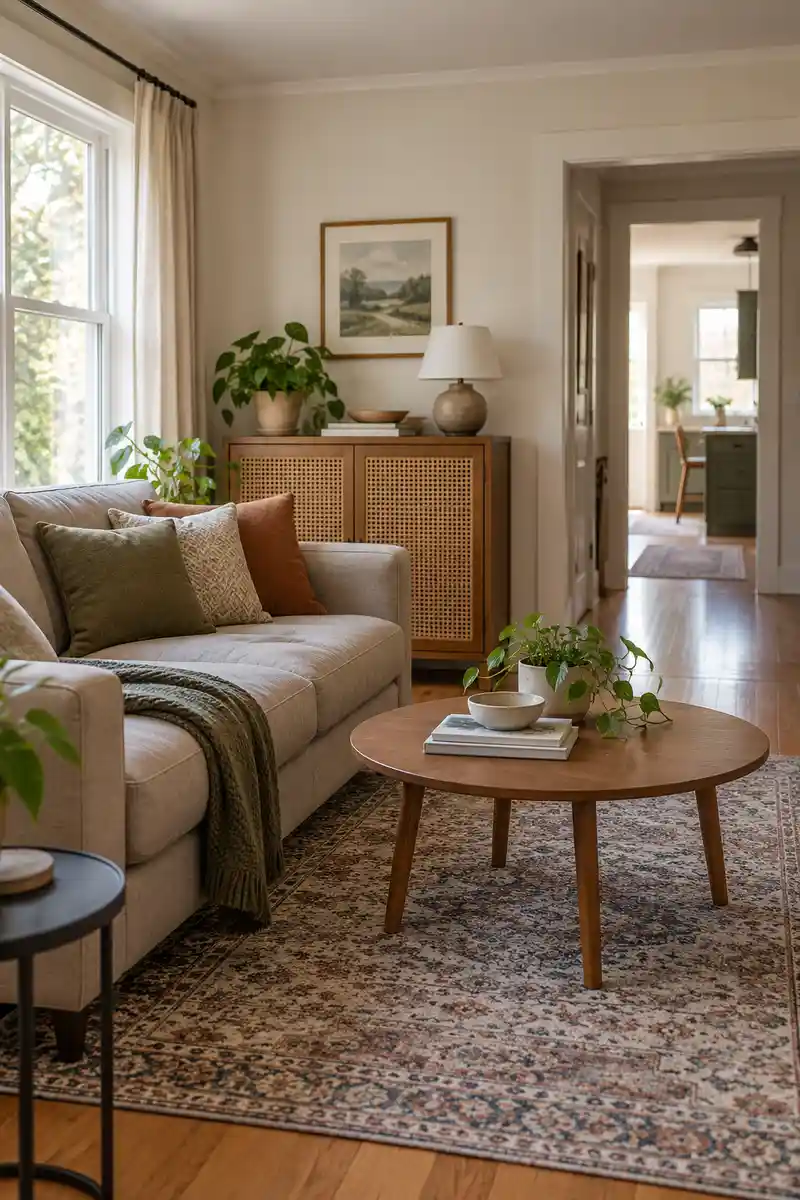
Quick tip: Follow your path through the apartment on a normal weekday. Notice the repeated annoyance, such as a chair you always move or a drawer you cannot open fully.
Choose the next decorating change from that observation. A smaller side table, better positioned lamp, or more convenient storage can improve the room more than another accessory. Keep a short list and solve one problem at a time so the apartment becomes easier to live in as its style develops.
Frequently Asked Questions
How do I balance style and function?
Start with the activity, then choose a good-looking piece that supports it. For example, decide what must fit in the entry before choosing the cabinet color and handles.
What should I buy first?
Address the biggest daily problem first. That might be comfortable seating, a practical lamp, or storage for items that currently cover a useful surface. Accessories can follow once the main routine works.
Should all the materials match?
No. Repeating a few finishes can connect the room, but exact matches are unnecessary. Compare pieces in the same light and let useful contrast keep the space from feeling flat.
How can I keep the apartment tidy without constant effort?
Give frequently used items homes close to where you use them. Reduce decorative objects on busy surfaces, choose storage that is easy to access, and build a short reset into an existing routine.
Make It Feel Like Home
When you decorate an apartment around daily life, the style has something solid to grow from. Give arrivals, work, meals, hobbies, and rest the support they need, then choose materials and colors you enjoy. A men’s apartment can be bright, quiet, colorful, traditional, or mixed; usefulness does not dictate one look. Pay attention to the places that keep causing friction and improve those first. Over time, the repeated finishes and personal objects will connect the room naturally. The result is a home that looks considered because its choices keep making sense when you use it every day.
Community
Join the conversation
Add a useful idea, ask a specific question, or share what worked in your space. Every comment is reviewed before it appears.