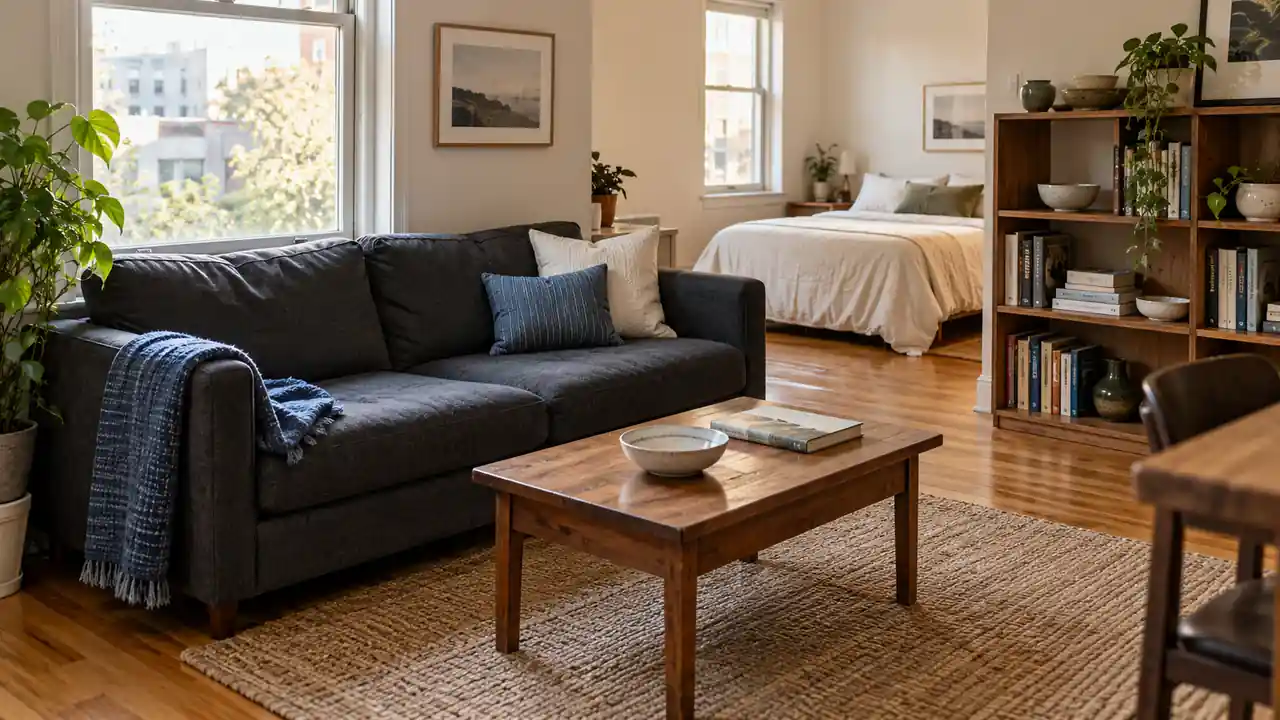
Your apartment can feel unfinished even when it already holds everything you need. The sofa works, the shelves are full, and there is a good blanket somewhere, but the pieces do not quite belong together. If you are wondering how to style your bachelor apartment, start by changing what is visible and where it sits. These upgrades use your current furniture, everyday objects, and stored favorites. There is no shopping list to complete. Try the ideas that fit what you own, skip anything that does not, and keep the changes that make ordinary evenings at home feel easier and more comfortable.
1. Clear the First View
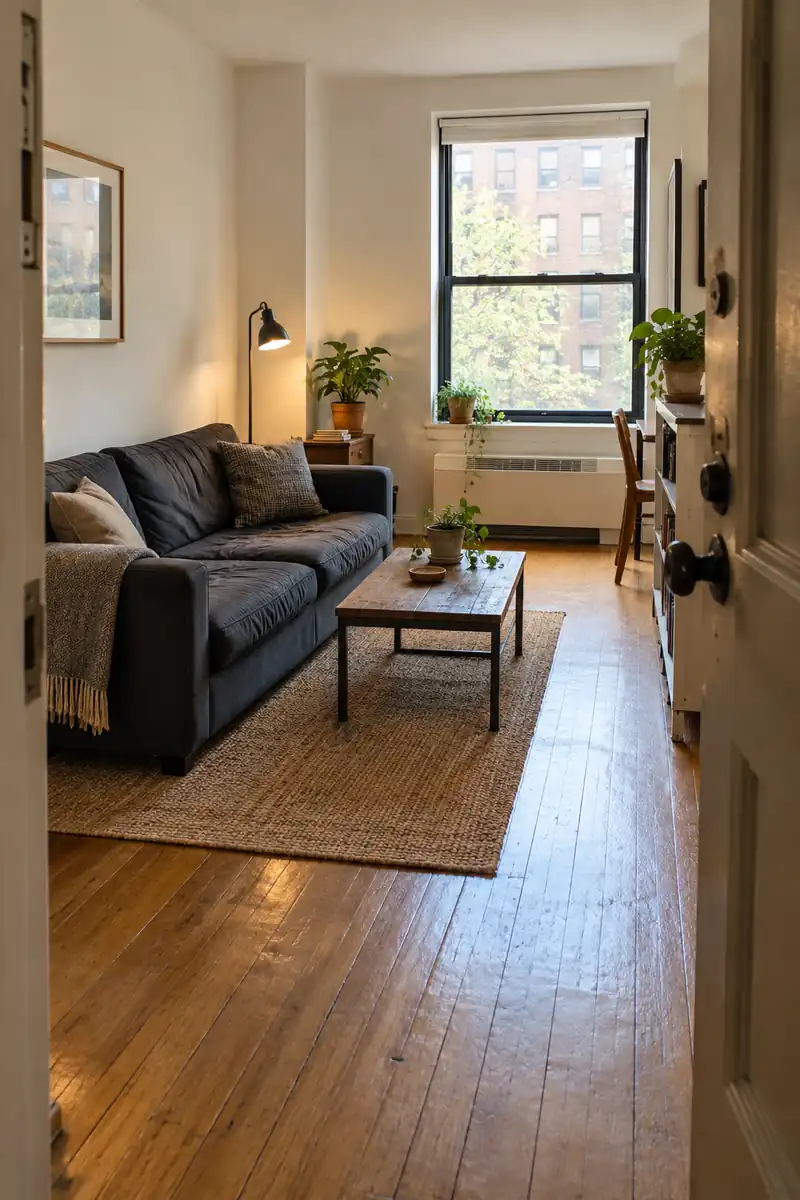
Stand at the entrance and notice what catches your eye first. A chair covered in laundry or a crowded tabletop can make the whole apartment feel unsettled. Move those loose items to their usual homes, then shift one small piece of furniture away from the main walking route if there is room.
The aim is one clear view toward something you like, such as your sofa or window. Keep doors easy to open. For larger moves, compare these studio bed and couch layouts before lifting furniture, and work with the pieces you already have.
2. Gather Related Colors
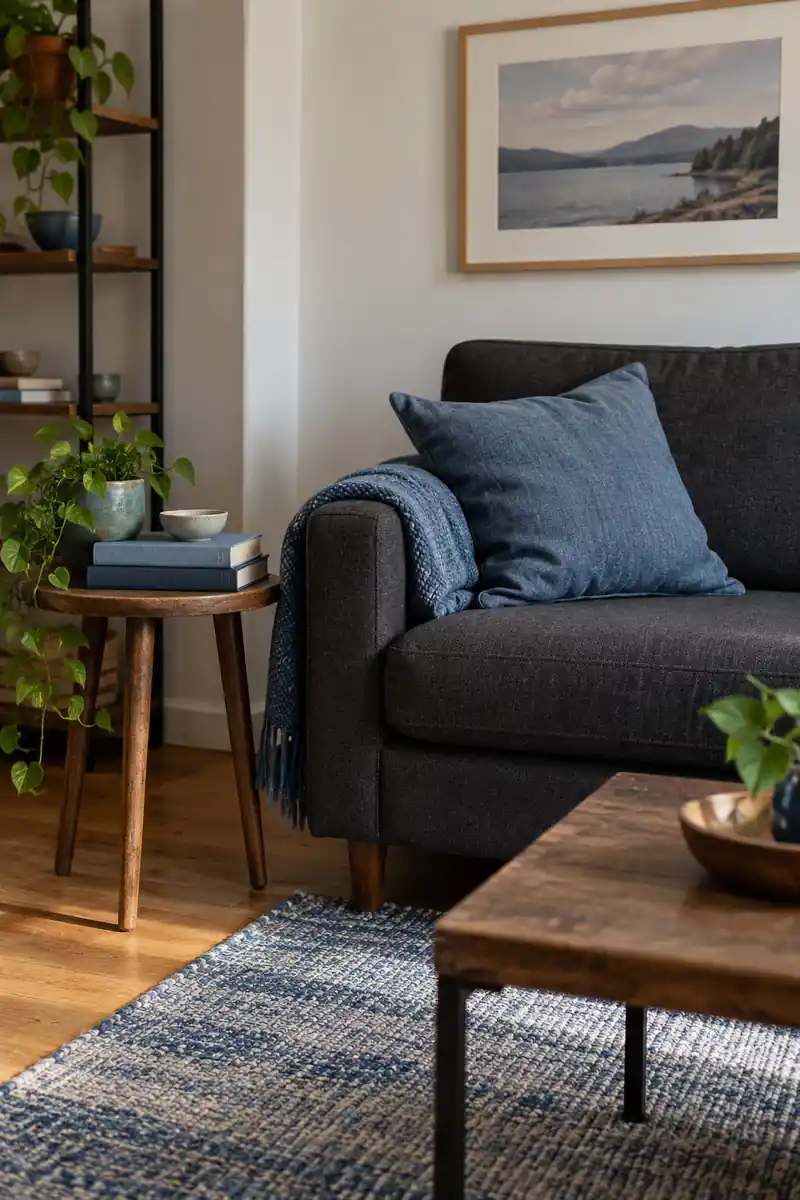
- Choose a color already present in a favorite cushion, print, or blanket.
- Find two or three other objects that share a similar shade.
- Bring those pieces into the same part of the room.
- Move competing small decorations elsewhere for now.
Color repetition can connect possessions that came from different places. A blue book cover, faded blue throw, and blue detail in a picture are enough. They do not need to match exactly. Keep your everyday seating comfortable, and avoid borrowing something that another area still needs to work well.
3. Refold Your Throw
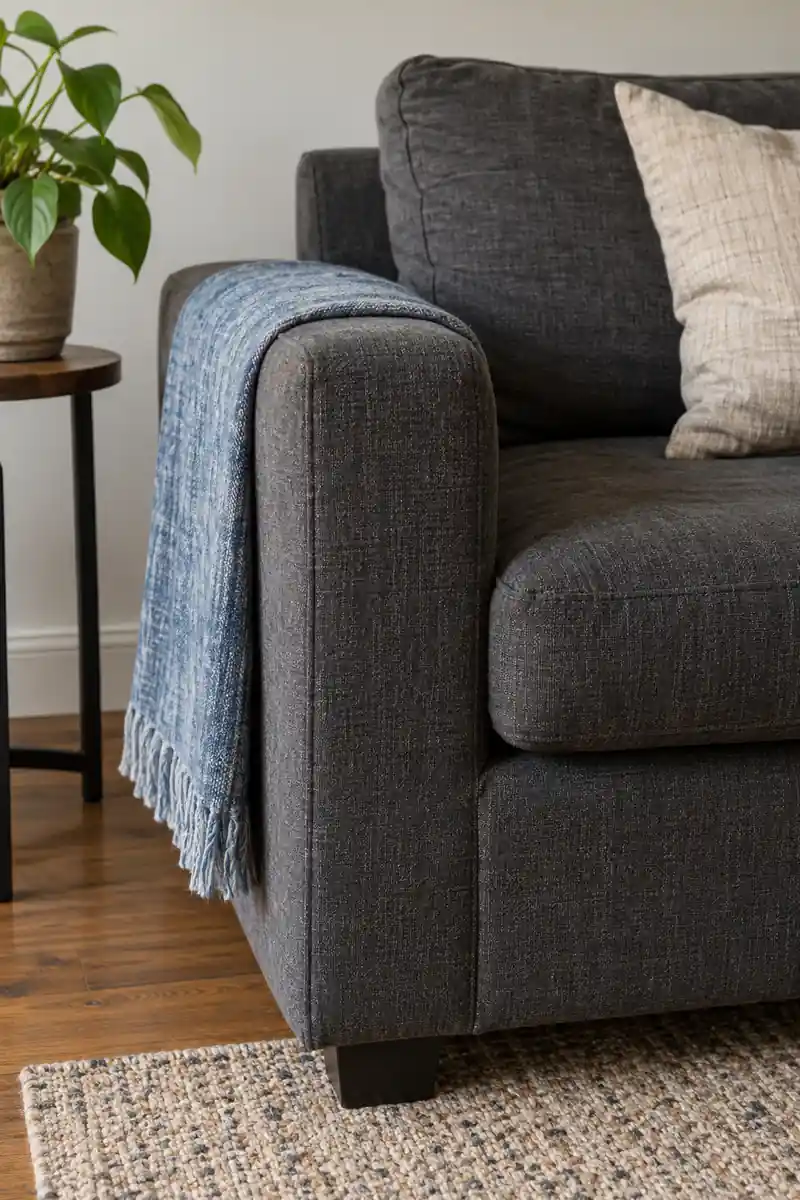
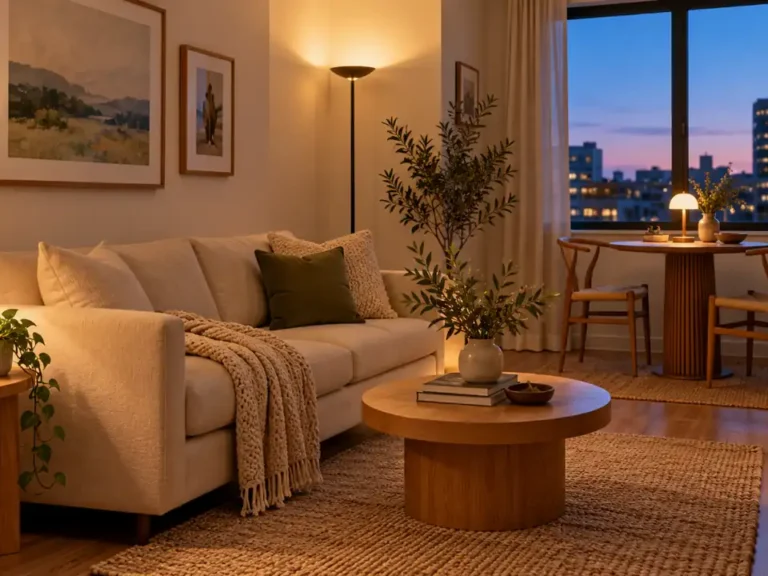
Quick Tip: Fold an existing throw into a long band and place it over one sofa arm. Let a little fabric fall naturally so it still looks ready to use.
A blanket spread across the entire sofa can hide its shape, especially in a small room. A narrower fold shows more upholstery while keeping the extra texture. Try the opposite arm if it balances nearby furniture better. The best arrangement is the one you can restore quickly after sitting down.
4. Edit the Coffee Table
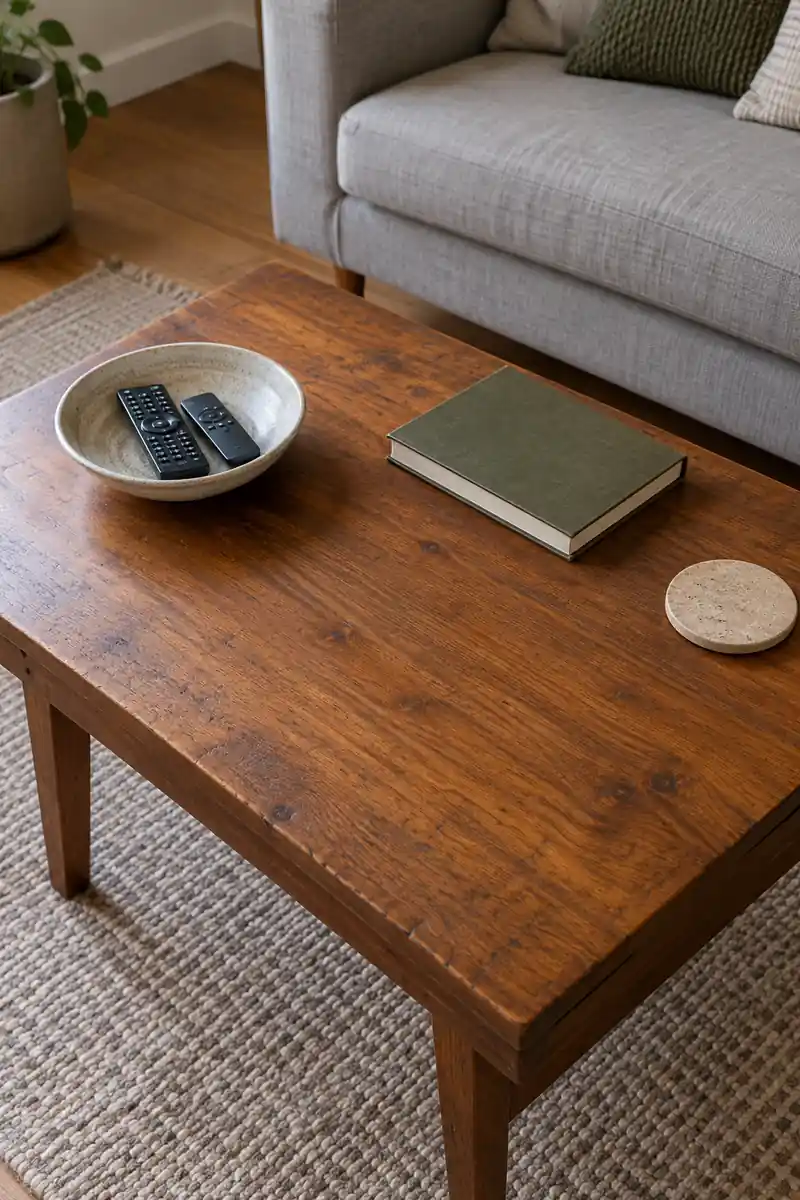
Before: Remotes, receipts, books, and mugs compete for the same surface. There is barely a clear spot to put down a drink.
After: One bowl you already own holds the remotes. A current book sits beside it, with the rest of the tabletop left open.
Start by returning everything unrelated to the table’s daily job. If you have a tray, use it instead of the bowl, but skip either if the surface is tiny. Leave enough room for how you actually use the table, whether that means a meal, a board game, or your feet.
5. Turn the Existing Rug
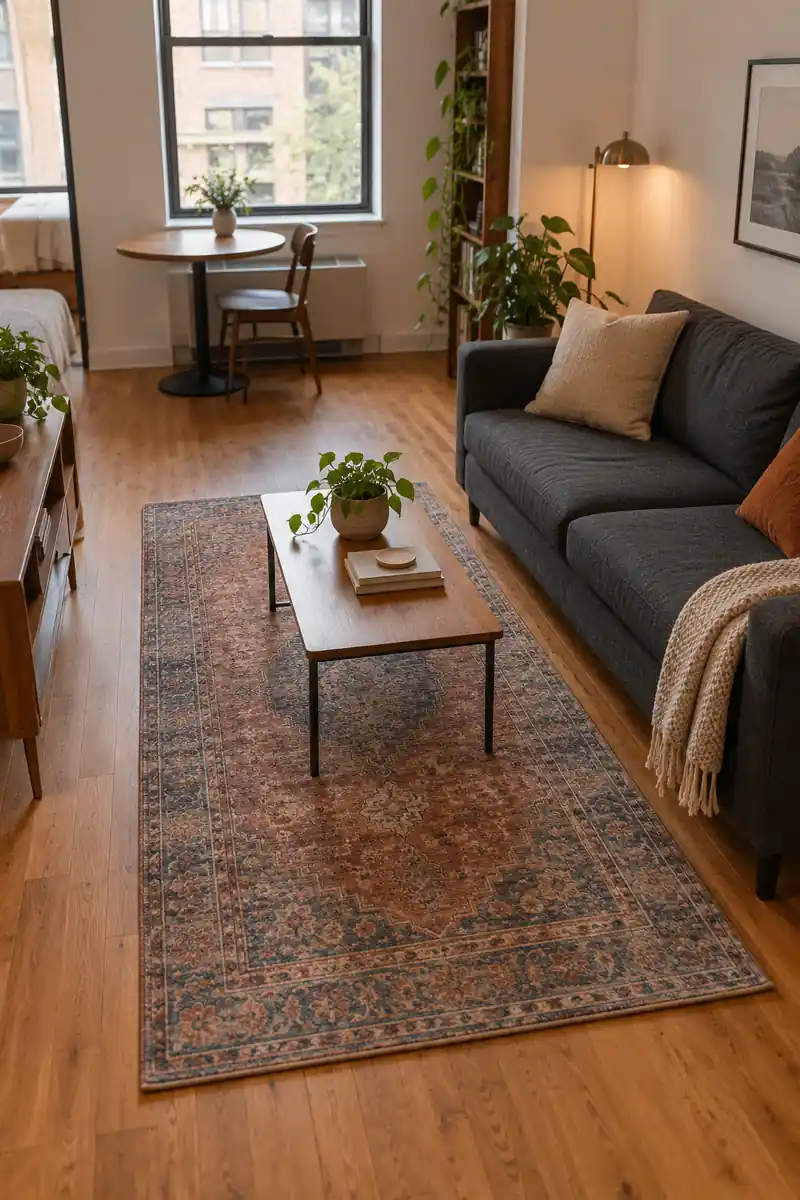
- Clear the objects sitting on your current rug.
- Turn it a quarter turn and compare the new direction.
- Center it on the seating group rather than the entire room.
- Check that its edges lie flat and nearby doors open freely.
Sometimes a rug looks too small because it points the wrong way. Turning it can make its longer side relate better to the sofa. If neither direction works, try it beside the bed instead. Keep a rug where it fits comfortably, without forcing furniture into awkward positions just to include it.
6. Borrow a Small Table
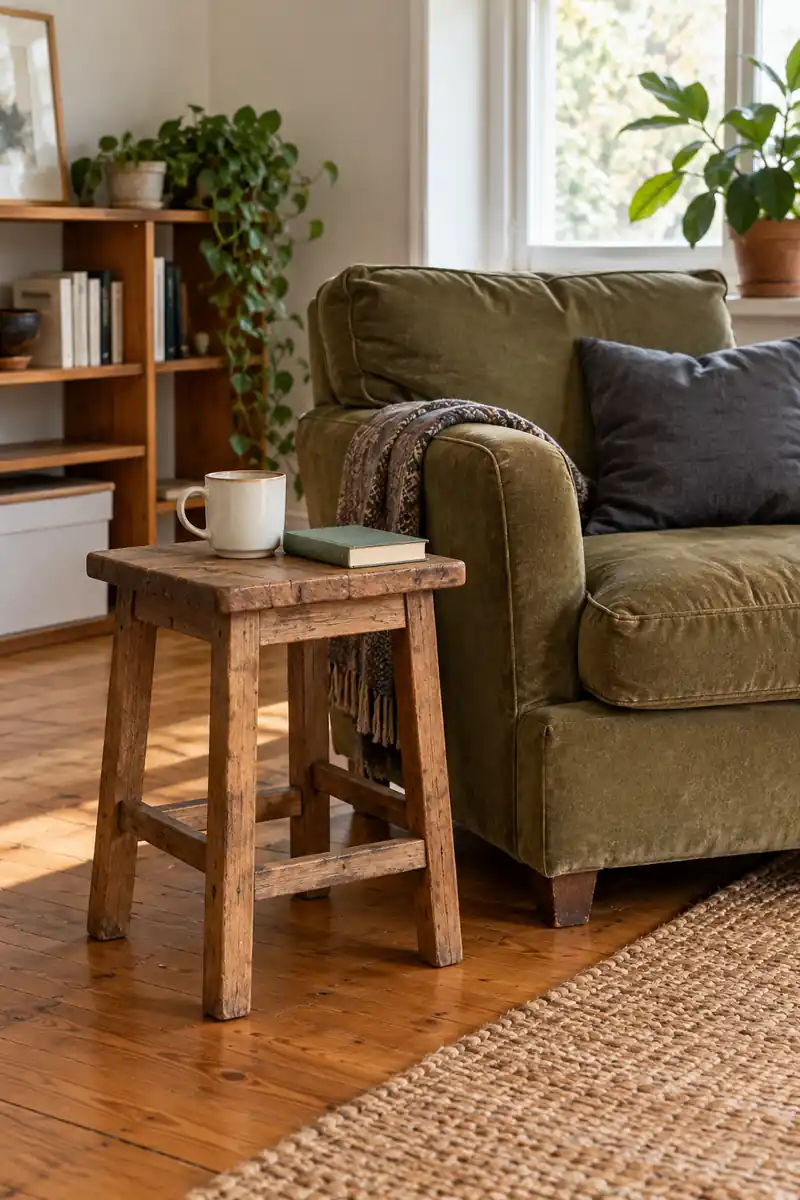
Existing stool beside the sofa
Main job: Hold a book or a drink
Height test: Reach it comfortably while seated
Space test: Leave the walkway open
Best fit: Your living area lacks a small surface
Existing stool beside the bed
Main job: Keep bedtime items close
Height test: Reach it comfortably while lying down
Space test: Leave room to get into bed
Best fit: Your current bedside surface feels crowded
An unused, steady stool with a flat top can take on a new role without pretending to be something elaborate. Test the height before moving everything onto it. Keep it available for seating if you still need that function, and use another existing table if the stool rocks or feels awkward.
7. Give Books Breathing Room
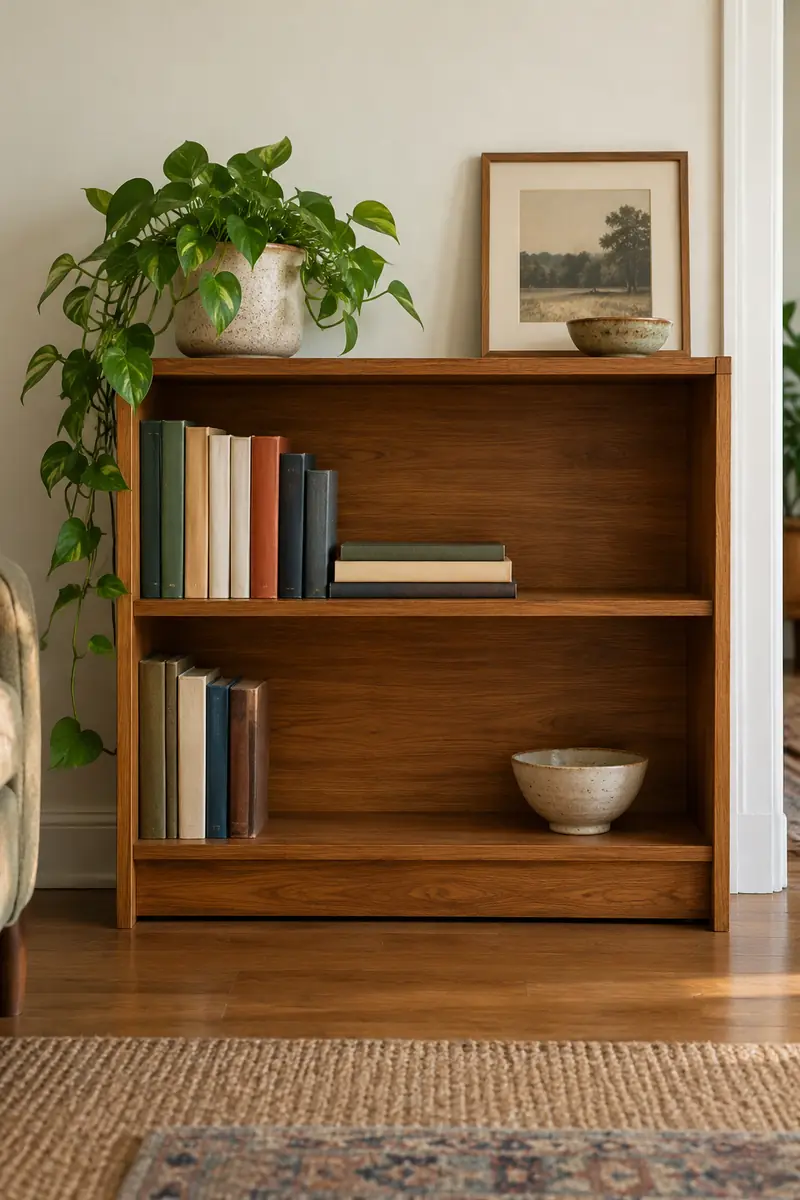
Do
- Keep books you reach for easy to find.
- Group a few upright books together.
- Leave a small clear patch on each styled shelf.
Don’t
- Turn every spine inward if that makes finding books difficult.
- Stack books so high that the bottom one becomes hard to remove.
- Fill a gap just because it is empty.
Take the decorations off one shelf and return only a favorite piece beside the books. You may find that the book colors provide enough interest by themselves. Move surplus ornaments to an existing drawer or another useful display spot. Keep the shelf’s storage job more important than its photograph.
8. Group Your Small Frames
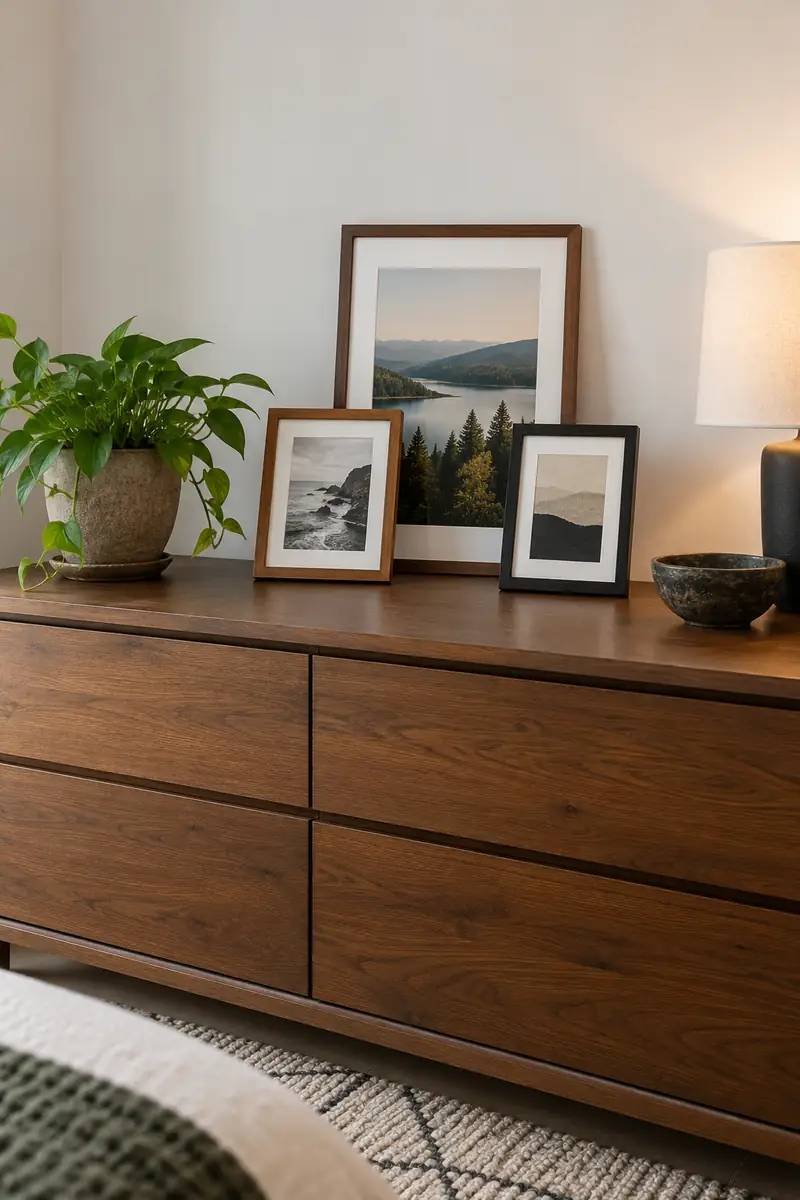
Location: Use an existing dresser or shelf with a broad, steady surface.
Connection: Group pictures around a shared subject, color, or memory.
Arrangement: Put a taller frame behind shorter ones without hiding the pictures.
Limit: Leave space around the group so each image remains visible.
Small frames can disappear when they are scattered across a room. Bringing a few together gives them a stronger presence, even when their finishes differ. Use frames with working stands and keep them clear of the surface edge. You can build a personal display without buying matching frames or adding holes.
9. Move Light Toward Life
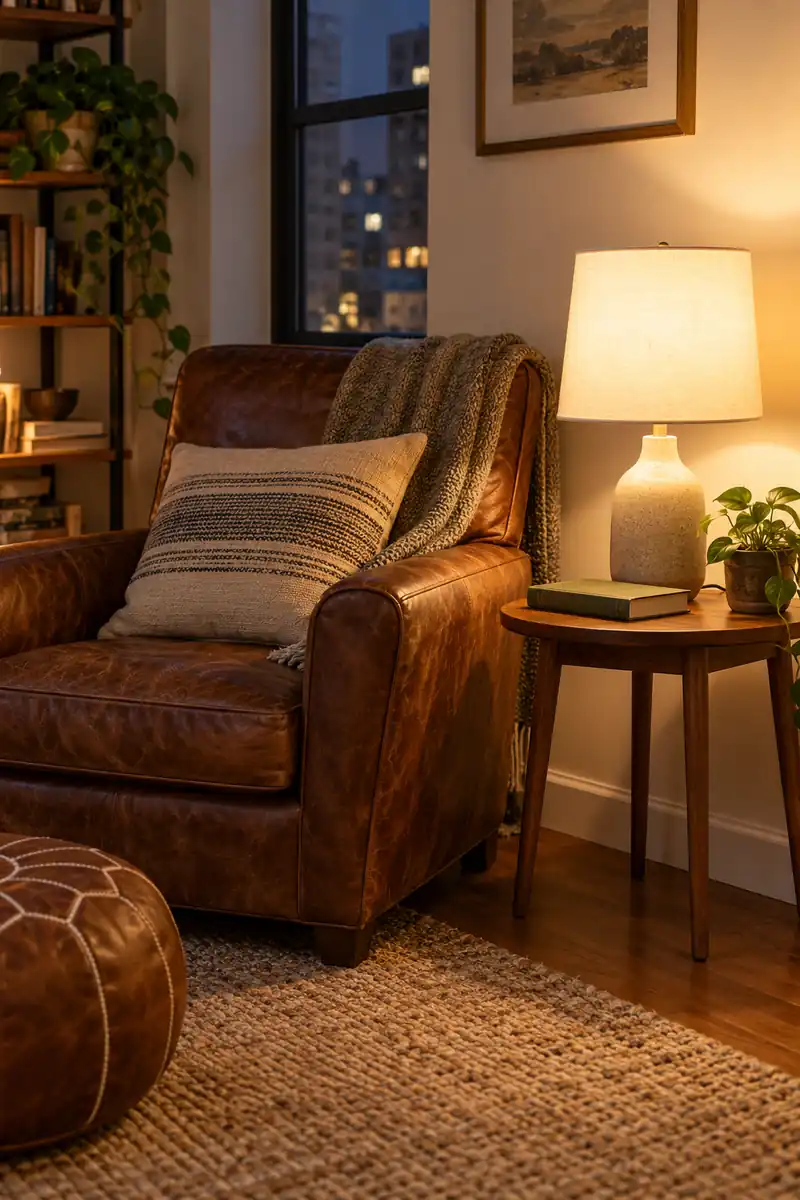
A lamp can look lovely on a distant dresser while doing very little for the place where you read. If you own more than one, try swapping their locations. Put the useful light beside an activity, then see whether the room feels more comfortable when the overhead light is off.
Choose a position within reach of an existing outlet, with the cord out of the walking route. Keep the lamp steady and follow its instructions. There is no need to add another fixture just to create a styled corner that you will never actually use.
10. Restyle Your Bed
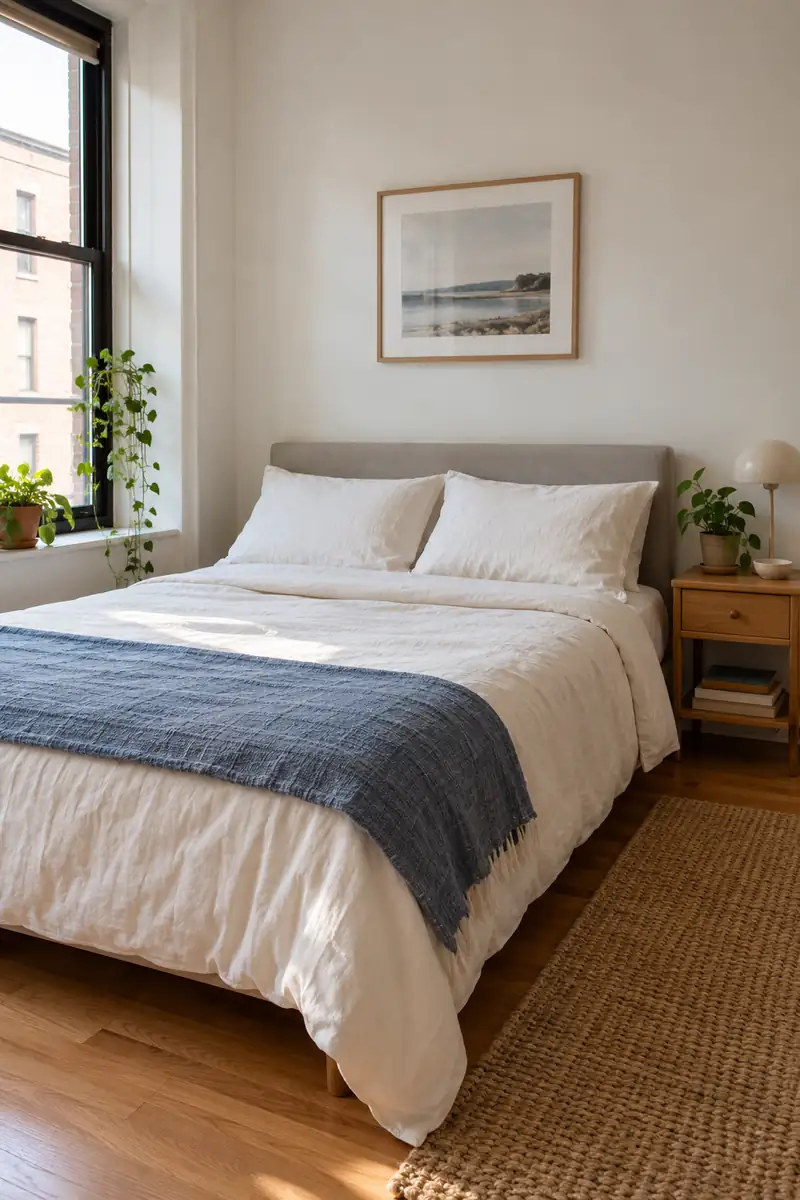
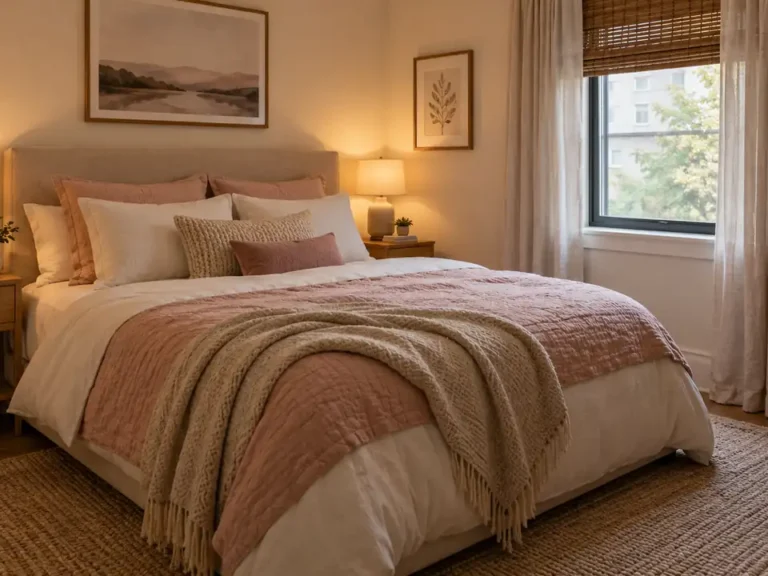
- Smooth the bedding you already use instead of adding extra layers.
- Turn the duvet around if the other end sits more neatly.
- Put everyday pillows in a simple, repeatable arrangement.
- Fold an existing blanket across the foot only if you use it.
In a bachelor apartment, the bed often remains visible from the living area. A consistent finish helps it look like part of the room. Choose a setup you can repeat on a busy morning. Extra decorative cushions are optional, and a clean, comfortable bed does not need a complicated display.
11. Reassign a Spare Bowl
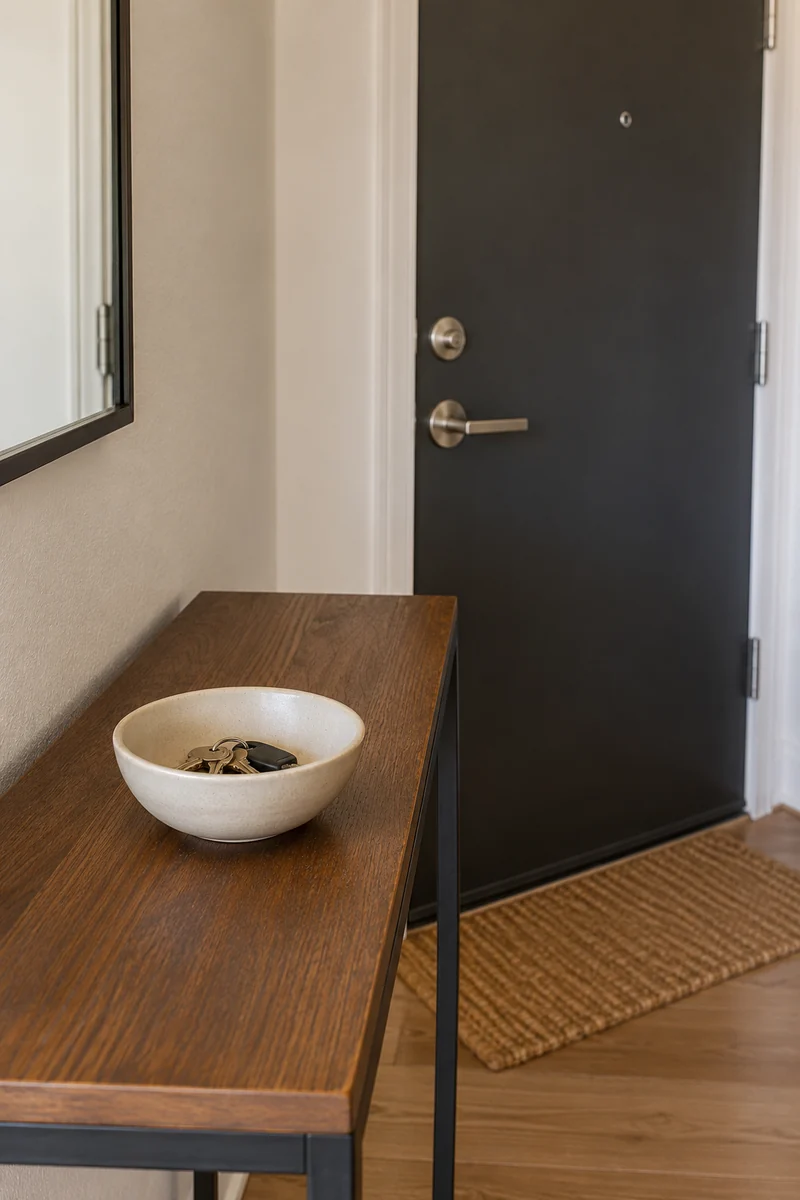
Quick Tip: A spare cereal bowl or small dish can become a landing place for keys. Set it on an existing surface near the entrance, where putting keys away feels natural.
Choose a dish that is genuinely spare rather than one you need for breakfast. Keep only the small objects you reach for when leaving home inside it. Receipts and loose mail need a different home. This simple boundary can stop one daily habit from spreading across the whole entrance surface.
12. Reclaim the Reading Chair
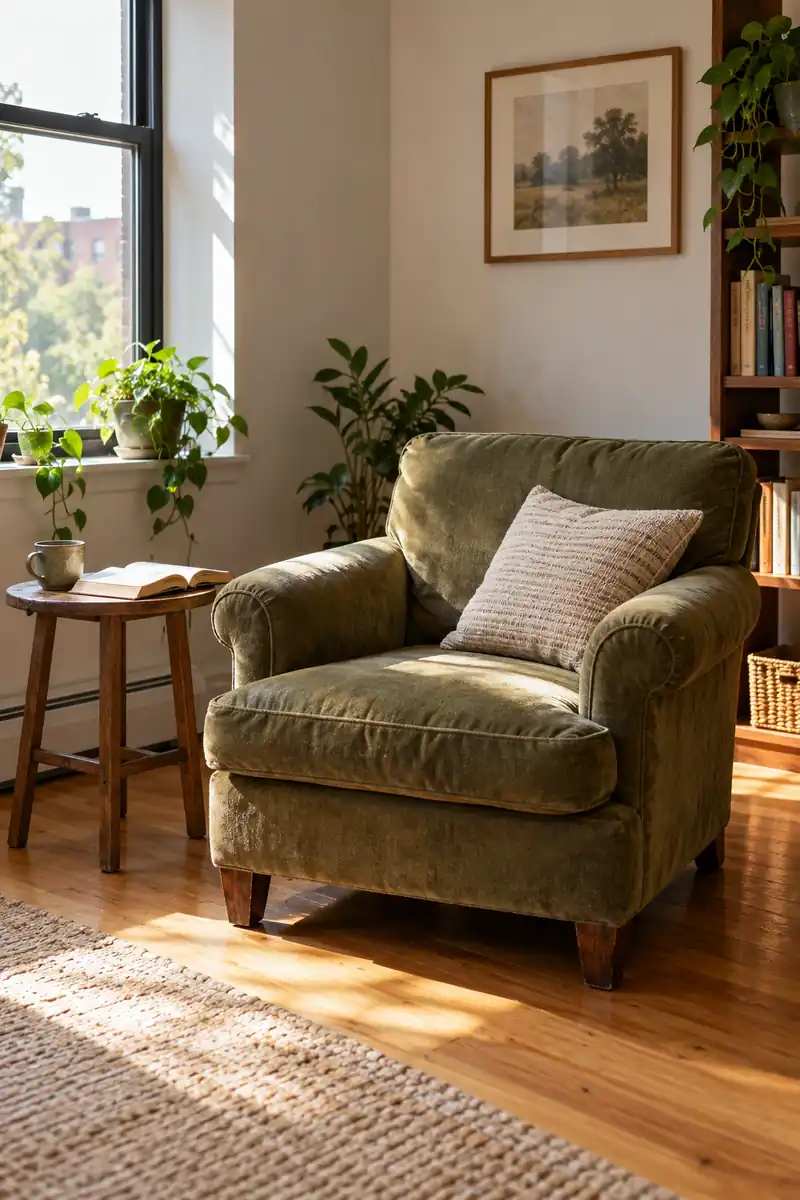
Before: A comfortable chair has become storage for clothes and bags. Its useful corner feels crowded even when nobody is sitting there.
After: The clothes return to their proper homes and the seat is clear. One nearby table holds a book, making the chair inviting again.
You do not have to create a new reading nook if the basic pieces already exist. Clear the seat first, then turn the chair slightly toward the room or window if space allows. Keep its original purpose obvious, and return bags to their usual spot before they take over again.
13. Reset the Shared Table
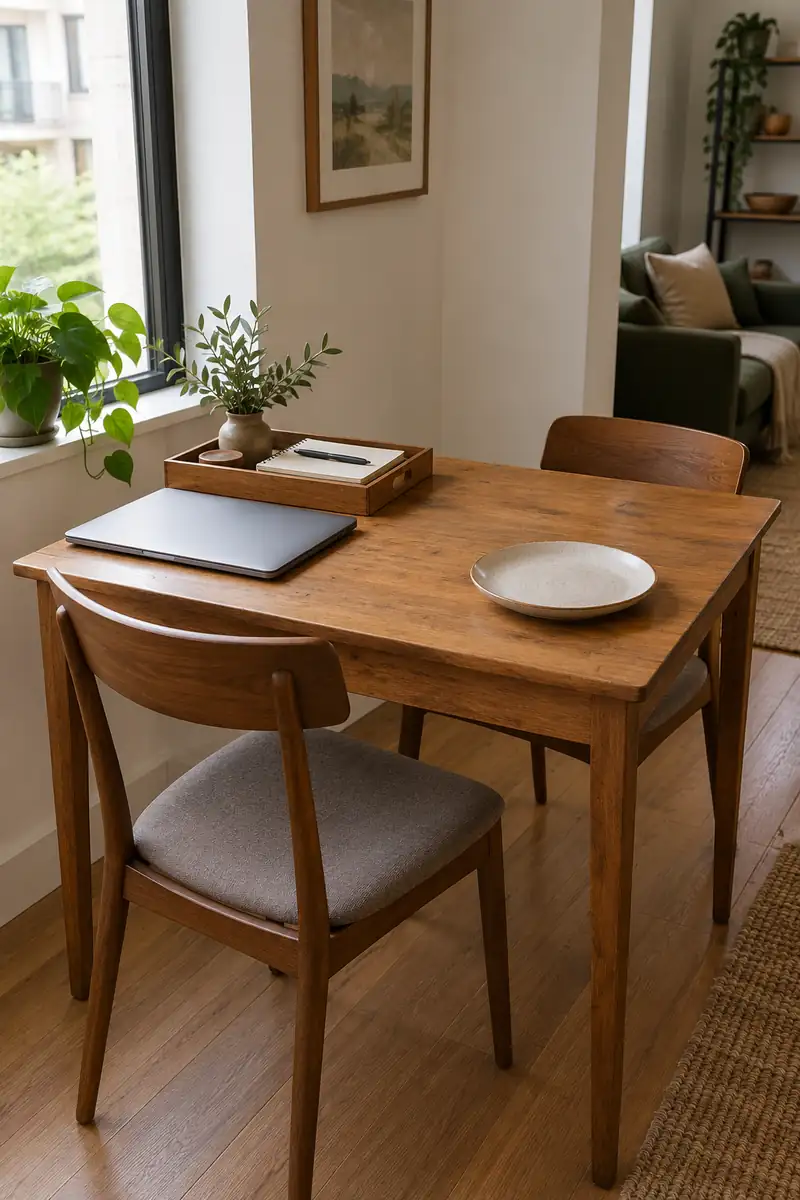
- Gather the work items that usually spread across your dining table.
- Place small supplies on an existing tray or in a spare box.
- Choose a nearby storage spot for that container after work.
- Clear enough tabletop for the next activity before walking away.
A dining table can serve as a desk without looking like one all evening. The useful change is a repeatable reset, rather than a new organizer. Keep the container light enough to move easily. Store the laptop in its usual place when finished, and leave chargers unplugged before packing them away.
14. Display a Real Interest
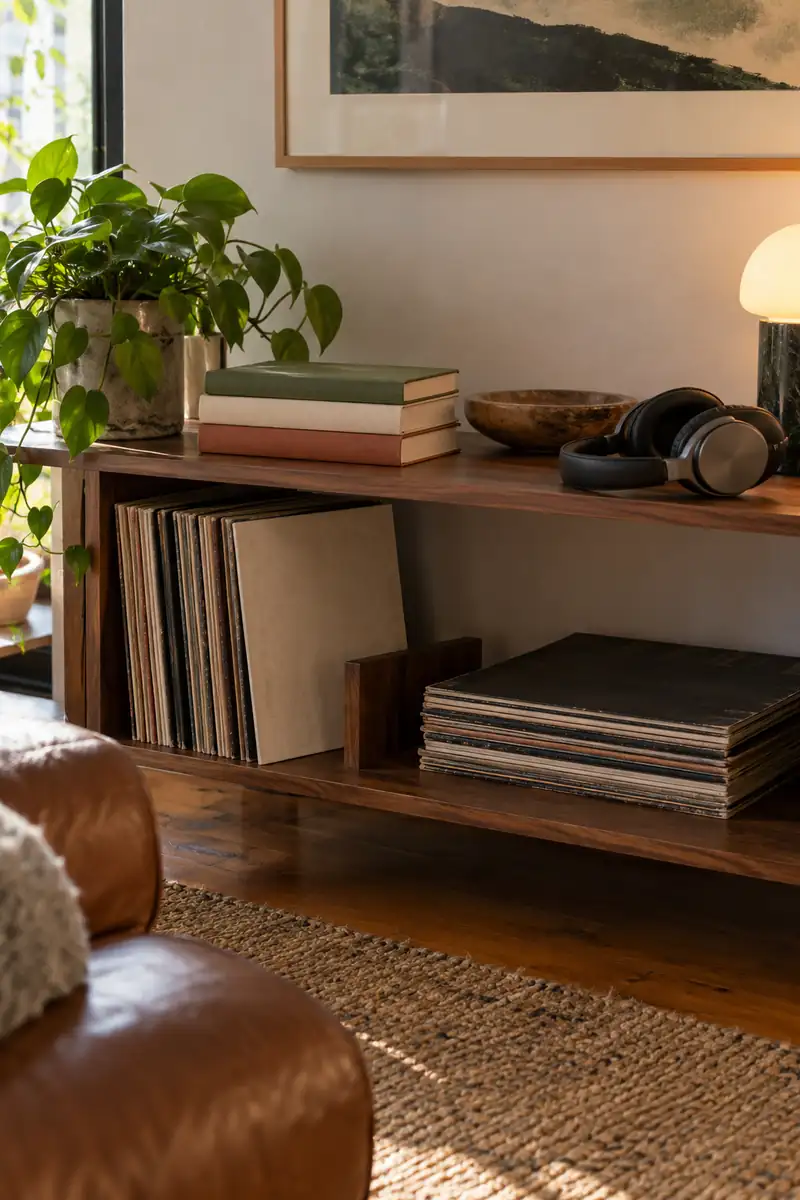
A few favorite books
Use what exists: Books you already enjoy
Where it fits: An existing shelf or side table
Keep practical: Leave books easy to remove
Edit the display: Choose a small group
A music listening corner
Use what exists: Headphones and records you already play
Where it fits: An existing media shelf or cabinet
Keep practical: Keep everyday equipment easy to reach
Edit the display: Show current favorites and store the rest
Your apartment does not need a borrowed personality. Let an interest you already have supply a few visible details. A well-used cookbook or familiar record can say more than a random ornament. Show only what fits comfortably, and avoid rearranging equipment in ways that make it harder to use.
15. Rotate the Spare Pieces
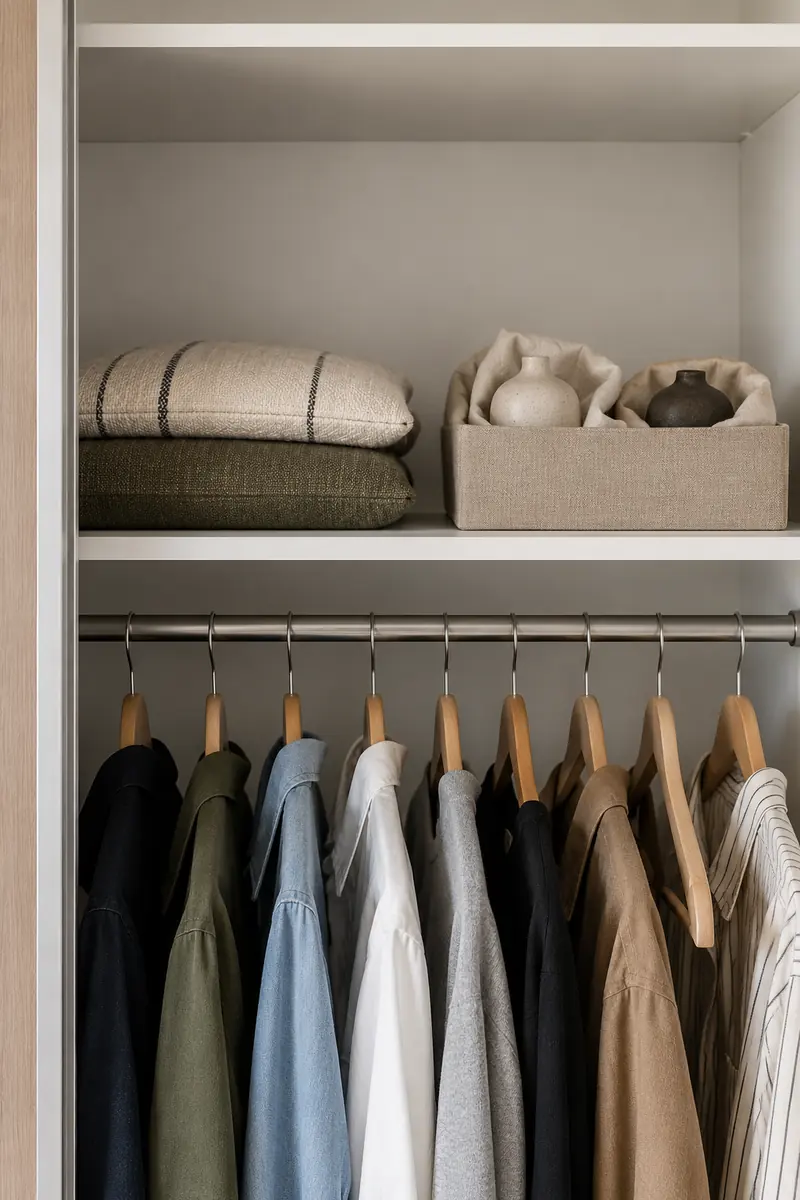
Do
- Keep a few favorite decorations on display.
- Store unused pieces in space you already have.
- Change the display when you genuinely want a different look.
Don’t
- Fill a cupboard so tightly that everyday items become inaccessible.
- Buy storage just to keep unwanted decorations.
- Treat every empty surface as unfinished.
Removing a few pieces can be the final styling move. Keep things you enjoy, but give them turns instead of showing everything at once. If storage is already full, reconsider what deserves space before hiding more away. A calmer room should make your daily routines easier, including opening the cupboard.
Frequently Asked Questions
How can I style a bachelor apartment without buying anything?
Start with one clear surface, then rearrange furniture or accessories you already own. Repeat an existing color, refold a blanket, and group small personal items together. Choose changes that improve a real daily activity rather than filling gaps for appearance alone.
What if my furniture does not match?
Look for a connection you can repeat with your current belongings, such as a color, wood tone, or fabric texture. Give different pieces enough space to be useful. A comfortable arrangement usually matters more than having identical finishes throughout the apartment.
How do I make one room feel less cluttered?
Clear the main walking route and the surfaces you see from the doorway first. Return loose belongings to their usual homes, then reduce the number of small decorative groups. Avoid moving clutter somewhere that stops another part of the apartment from working.
Which no-cost change should I try first?
Choose the annoyance you notice every day. Clear the chair you cannot sit in, reclaim the table you cannot eat at, or move a lamp toward your reading spot. Solve that problem before styling the area around it.
Make Your Own Things Work
Styling your bachelor apartment can begin with a small reset rather than a new delivery. Walk through the room, choose one awkward spot, and try a change with what is already there. Move the chair, gather related colors, or give the coffee table some open space. Live with the result for a few days before making another move. You will learn which arrangements support your routines and which only look good briefly. Keep the useful changes, put back anything you miss, and let your apartment feel more like home through the belongings you already know and enjoy.
Community
Join the conversation
Add a useful idea, ask a specific question, or share what worked in your space. Every comment is reviewed before it appears.