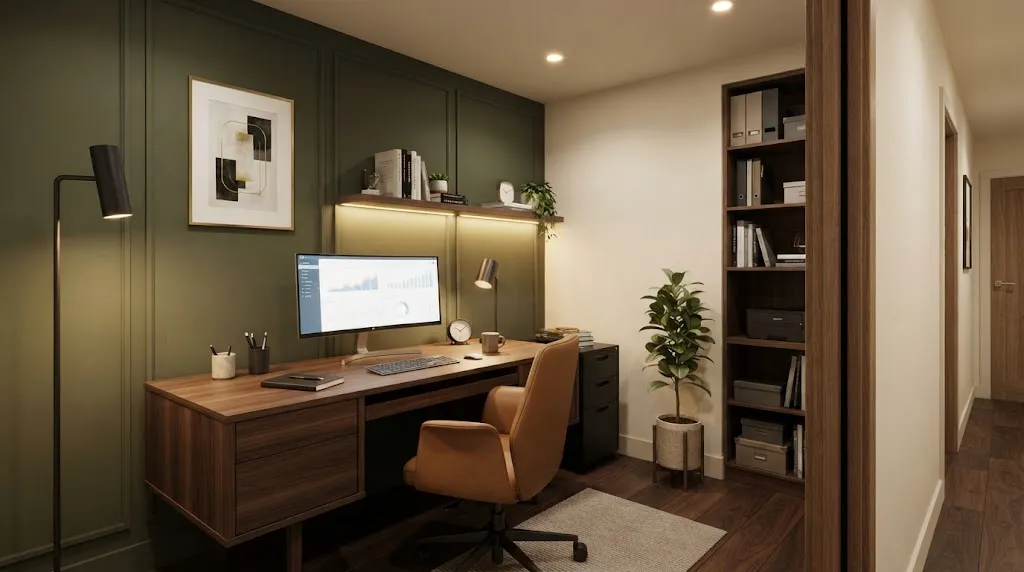
A windowless room does not have to feel dark, cramped, or uninspiring. With the right layout and lighting, even a tiny workspace can feel comfortable and inviting.
These small room office ideas with no windows focus on practical ways to make limited space work harder. From wall-mounted desks and layered lighting to clever storage and light color palettes, each idea helps solve common problems such as poor lighting, clutter, and limited floor space. The goal is to create an office that feels organized without making the room feel crowded.
In my experience, small changes often have the biggest impact in compact rooms. A better light source, a slimmer desk, or a well-planned storage area can completely change how you use the space. Keep reading for simple ideas you can adapt to your own apartment, bedroom, or small office.
1. Wall-Mounted Desk
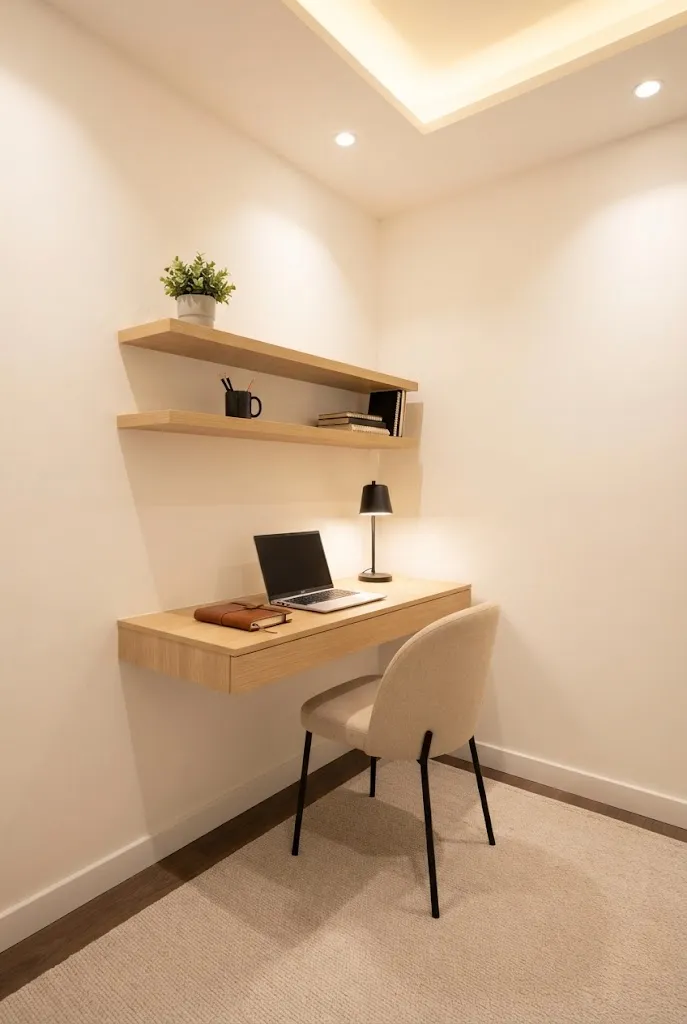
A wall-mounted desk keeps the floor open, which matters in a room where every inch counts. Choose a slim desktop in light wood or white and mount it at a comfortable working height. Pair it with a compact chair that can slide completely underneath when the desk is not in use.
The open floor creates better visual flow and makes the room feel less crowded. I’ve noticed that floating furniture also makes cleaning easier, especially in small apartments where dust and clutter quickly become noticeable. Add one shelf above the desk for notebooks, chargers, and a small lamp.
2. Layered Lighting
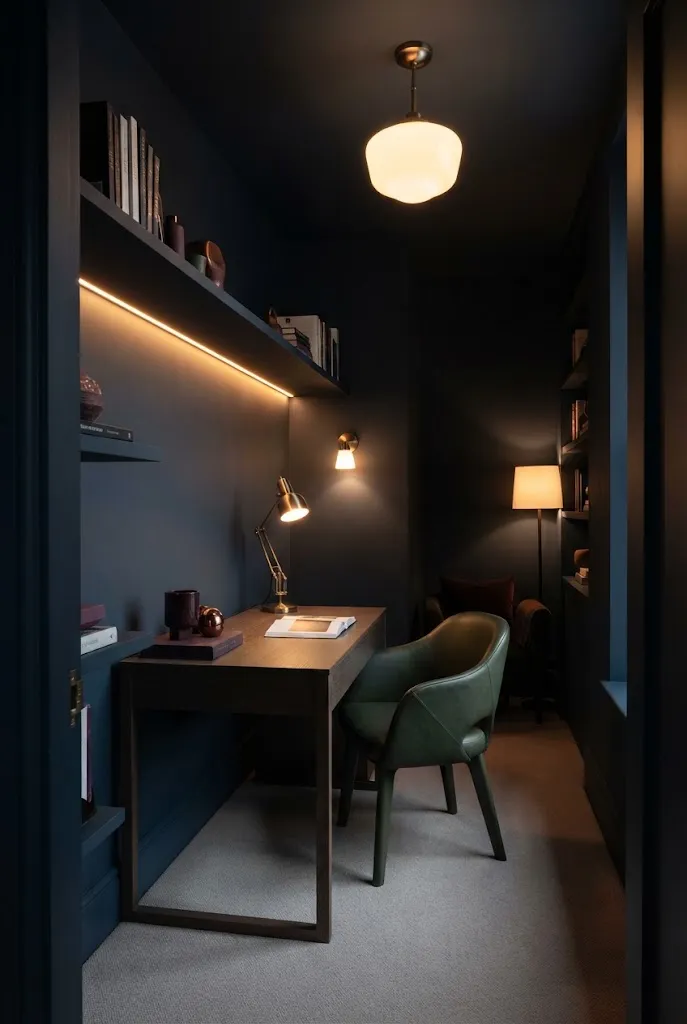
- Task lamp: Place an adjustable lamp directly beside the main work area for focused illumination.
- Ceiling light: Choose a diffused fixture that spreads light evenly instead of creating harsh shadows.
- Shelf lighting: Add slim LED strips beneath shelves to brighten darker corners.
- Wall lighting: Use a small sconce or directional light to create visual depth without taking desk space.
- Bulb temperature: Warm-neutral lighting around 3000K to 4000K keeps the office comfortable while maintaining clear visibility.
Layered lighting is especially useful in a windowless office because there is no daylight to balance the space. Rather than relying on one bright ceiling fixture, combine several softer sources. This creates a more comfortable workspace and lets you adjust brightness for reading, computer work, or evening tasks.
3. Reflective Wall Decor
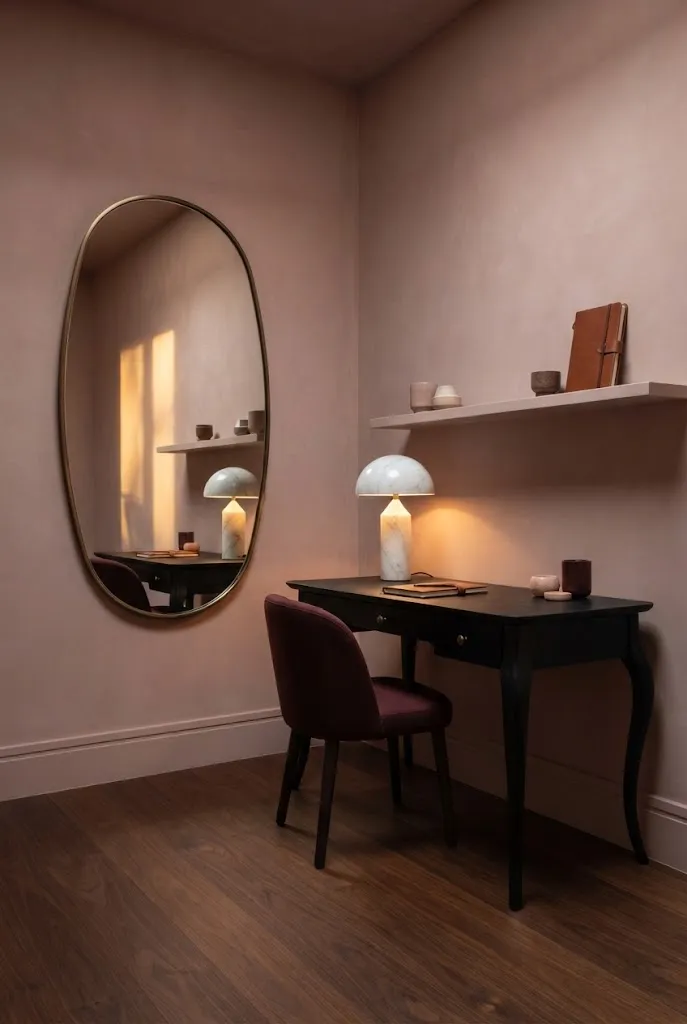
Quick Tip: Use one large mirror instead of several tiny reflective pieces. Position it where it can catch light from a lamp or illuminated wall rather than facing a cluttered storage area. A slim-framed mirror keeps the arrangement visually light while helping the room feel more open.
Reflective surfaces can add depth without taking valuable floor space. A mirror, glossy cabinet door, or lightly reflective artwork can bounce existing light around the room and soften dark corners. Keep the surrounding decor simple so reflections do not multiply visual clutter. For a very compact office, a rounded mirror also adds softness to straight furniture lines.
4. Slim Storage Tower
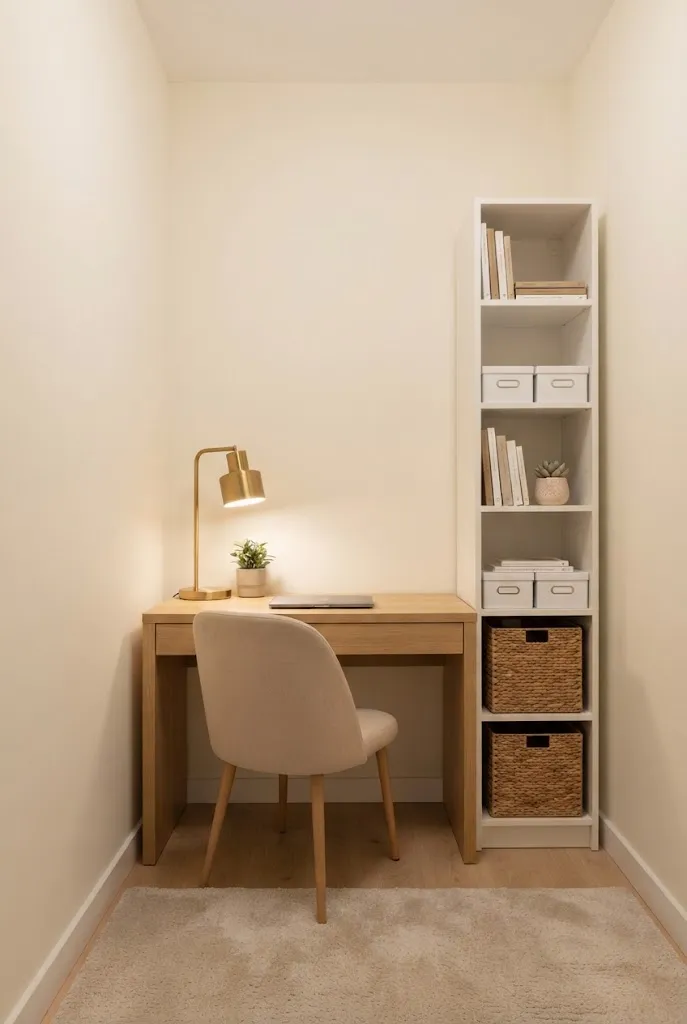
BEFORE: A small office can quickly lose usable floor space when storage spreads across the room. Stacked boxes, wide cabinets, and piles of paperwork make the workspace feel crowded and leave little room to move.
AFTER: A tall, narrow storage tower uses vertical space instead. Keep frequently used supplies between waist and eye level, while placing seasonal or rarely needed items higher up. The floor stays clearer, allowing light to travel across more of the room.
A vertical cabinet works especially well beside the desk because it keeps storage close without widening the furniture footprint. Choose white, cream, or light wood finishes to maintain a brighter visual balance. In my experience, assigning one specific shelf to each category also makes small offices much easier to keep organized.
5. Fold-Down Workstation
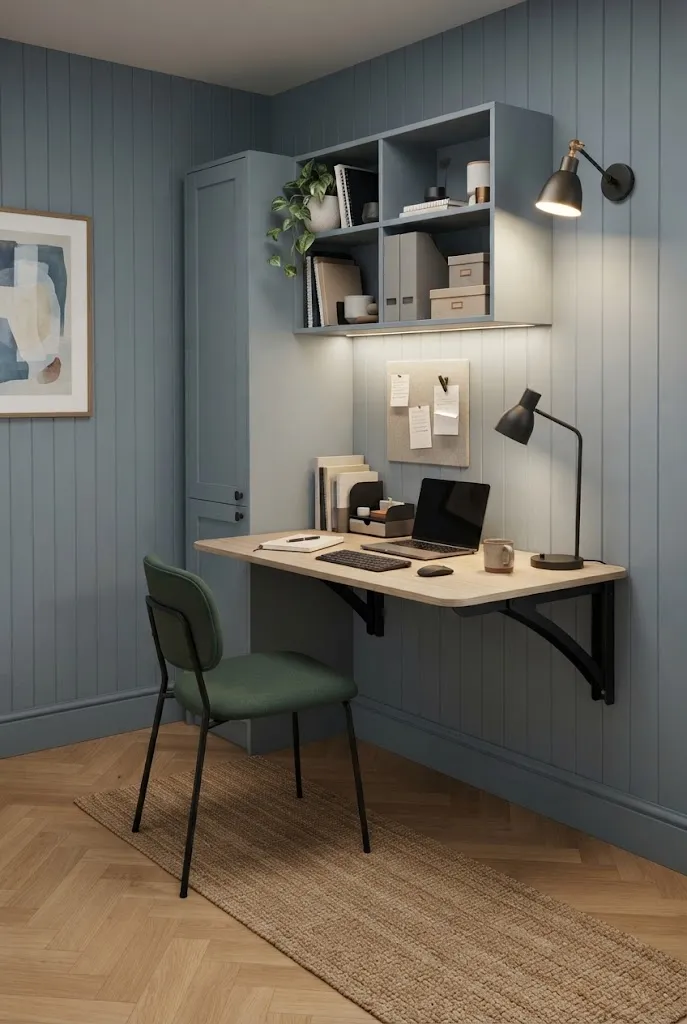
- Measure the wall: Check the available width and confirm that the opened desktop leaves enough space for your chair and movement.
- Choose sturdy hardware: Select a properly supported folding mechanism designed for the desktop’s weight and intended use.
- Add vertical storage: Install narrow shelves above the workstation for notebooks, cables, and office supplies.
- Create a closing routine: Clear the desktop before folding it away so the room can quickly return to its open layout.
A fold-down desk gives a tiny room two useful modes without requiring a permanent workstation footprint. During work hours, you have a functional surface for a laptop and essential supplies. Once finished, folding the desktop upward restores valuable floor space and makes the room feel less like a dedicated office.
6. Glass Desk Divider
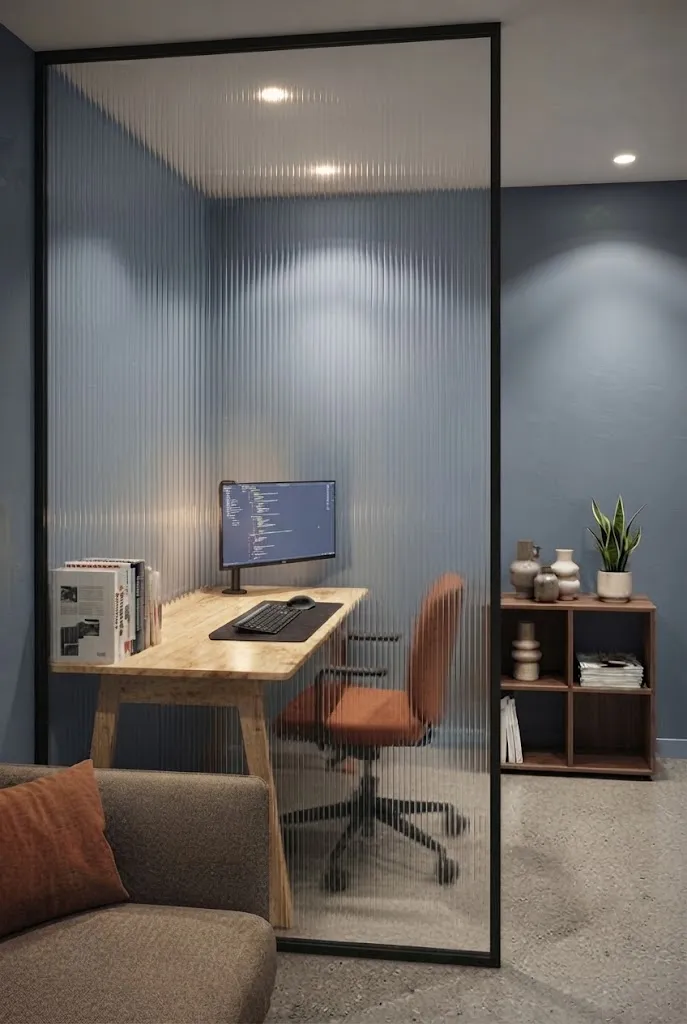
| Feature | Option A: Solid Divider | Option B: Glass Divider |
|---|---|---|
| Light flow | Blocks more light | Keeps light visually moving |
| Visual weight | Heavier appearance | Lighter appearance |
| Privacy | Higher | Lower |
| Best use | Shared or private zones | Small open-feeling offices |
A transparent divider can define the work zone without making a compact room feel boxed in. Glass or clear acrylic allows the eye to travel through the space, which helps preserve visual openness. Use a slim frame and avoid covering the panel with excessive decor. This works particularly well where the office shares space with another activity.
7. Light Color Palette
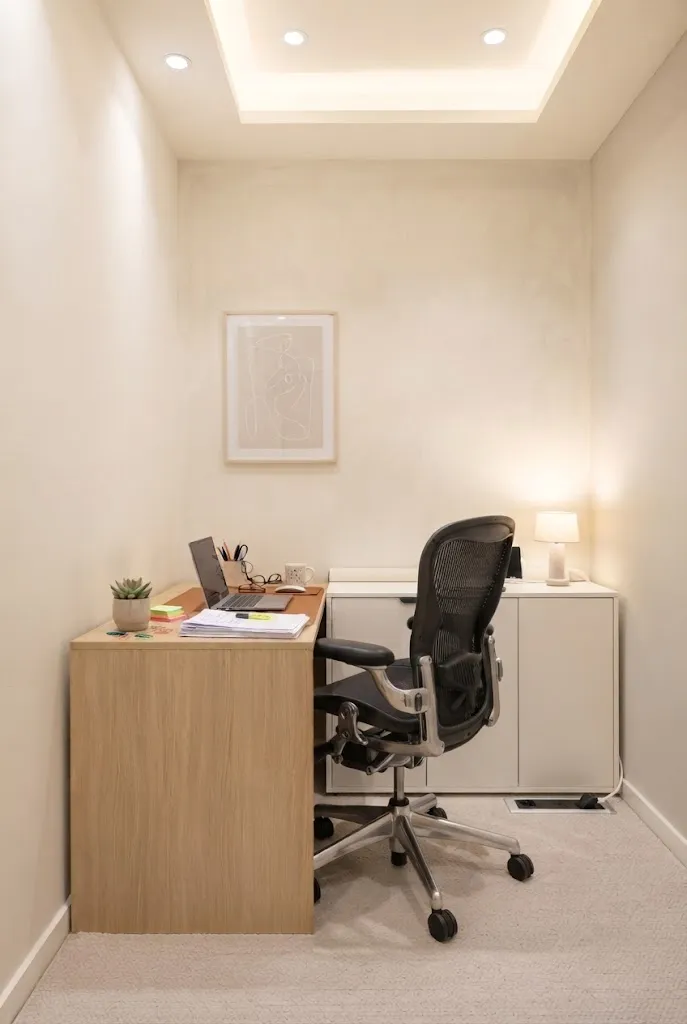
DO:
- Choose warm white, cream, soft beige, or pale greige for the main walls.
- Repeat light tones across furniture and larger storage pieces.
- Add one or two darker accents for contrast.
- Keep ceiling and trim slightly lighter than the walls when possible.
DON’T:
- Cover every surface in dark colors.
- Mix too many competing neutral shades.
- Use glossy finishes everywhere.
- Rely on wall color alone to brighten the room.
A lighter palette helps a windowless workspace feel visually open, especially when paired with layered artificial lighting. Soft neutrals reflect more of the available light and create a calmer background for work. Add contrast through small accessories, hardware, or artwork rather than heavy furniture, keeping the overall room balanced and comfortable.
8. Floating Shelves
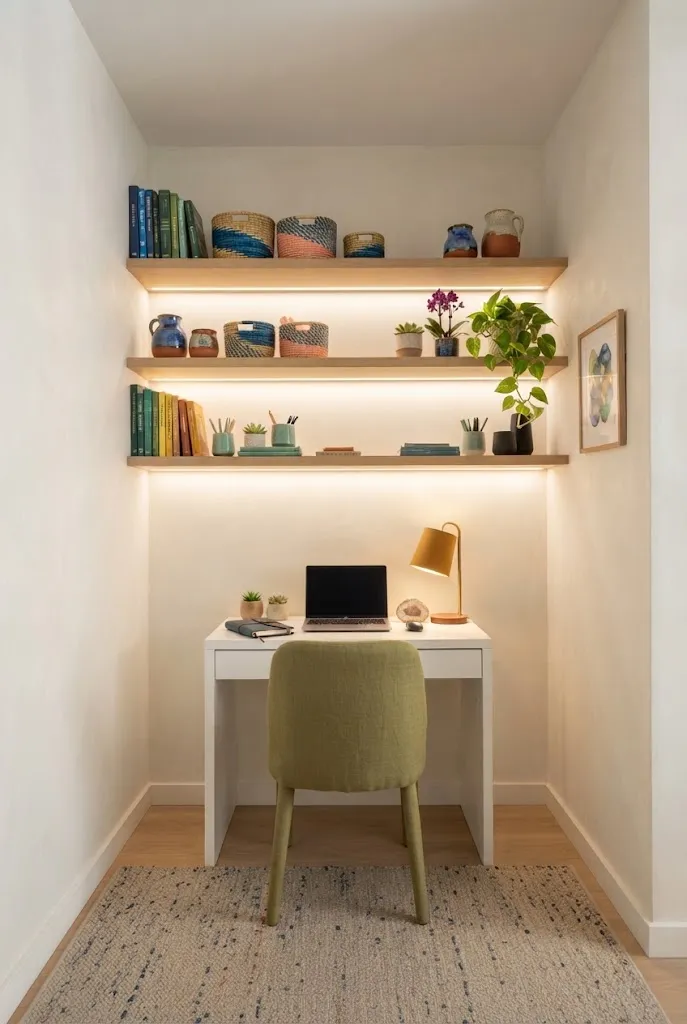
Cost: Low to moderate | Time: One afternoon | Skill Level: Beginner to intermediate
Best For: Small offices with limited floor space | Result: More storage without bulky furniture
Floating shelves turn unused wall space into practical storage while keeping the floor open. Place the most frequently used items on the lowest shelf and reserve higher shelves for decorative pieces or supplies used less often. Leave some empty space between objects so the arrangement feels organized rather than crowded.
9. Corner Desk Setup
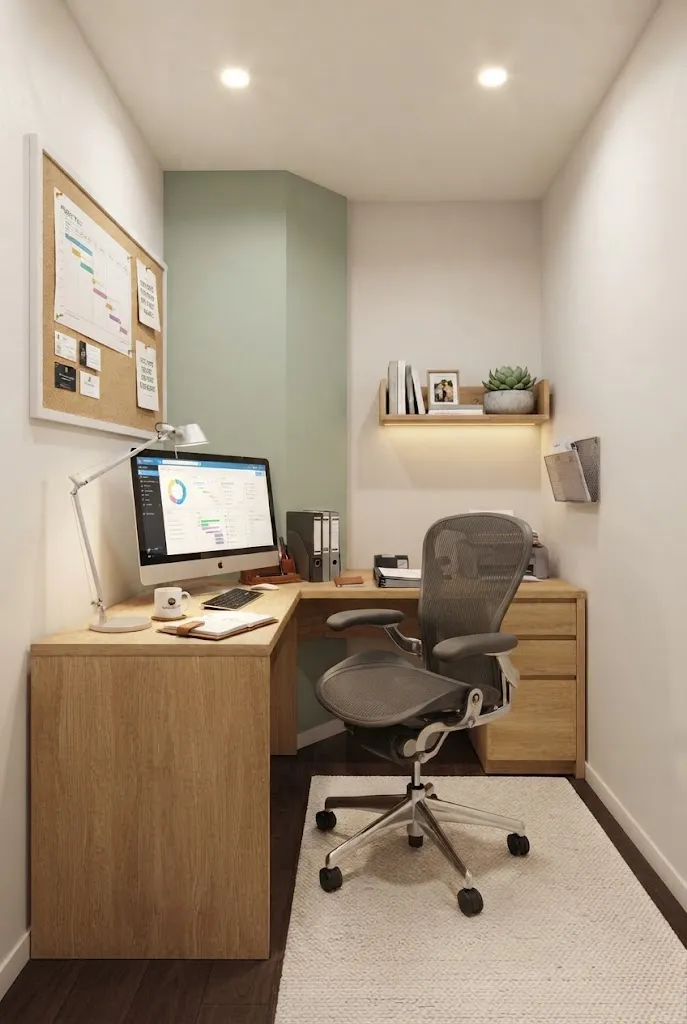
Corners often become wasted space, but the right desk can turn one into a productive workstation. An L-shaped or compact corner desk provides separate zones for a monitor, notebook, printer, or paperwork without spreading furniture across the room.
Keep the tallest storage on one side and the main work surface on the other. This creates a more balanced composition while leaving the center of the room open. I’ve seen corner layouts work especially well in narrow apartments because they concentrate the office into one defined area.
10. Under-Desk Storage
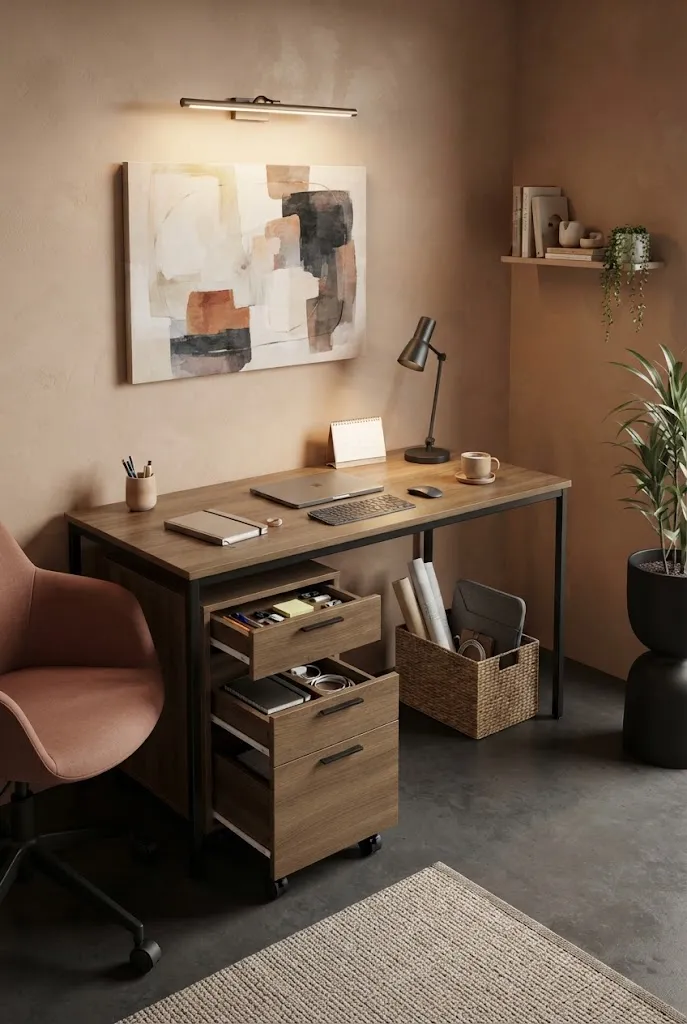
- Choose a narrow rolling drawer unit that fits completely beneath the desktop.
- Store heavier supplies in the bottom drawer to keep the unit stable.
- Use small organizers inside drawers for cables, stationery, and chargers.
- Keep the desktop limited to items used every day.
- Match the storage finish to the desk for a cleaner visual line.
Under-desk storage keeps essential supplies close without adding another bulky cabinet. A drawer unit on wheels is particularly useful because it can move when you need extra legroom. For very tight offices, measure the space beneath the desktop first, including chair movement, before buying any storage piece.
11. Soft Ambient Lighting
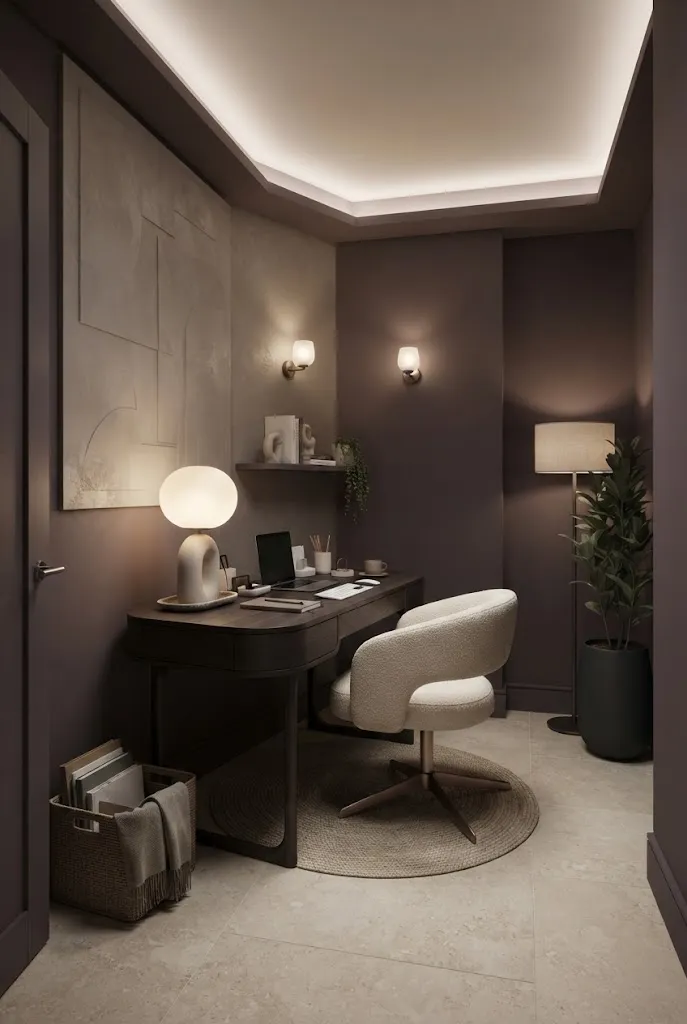
Quick Tip: Use several low-intensity light sources instead of one extremely bright fixture. Place one light near the desk, another higher on the wall or shelf, and a third in a darker corner. Aim for overlapping pools of light so the entire room feels evenly illuminated.
Soft ambient lighting can make a windowless workspace feel more comfortable during long work sessions. Diffused lamps reduce harsh shadows and help prevent the room from feeling stark. Frosted shades, fabric lampshades, and indirect LED strips are useful choices when you want gentle illumination without filling the small room with oversized fixtures.
12. Vertical Pegboard Organizer
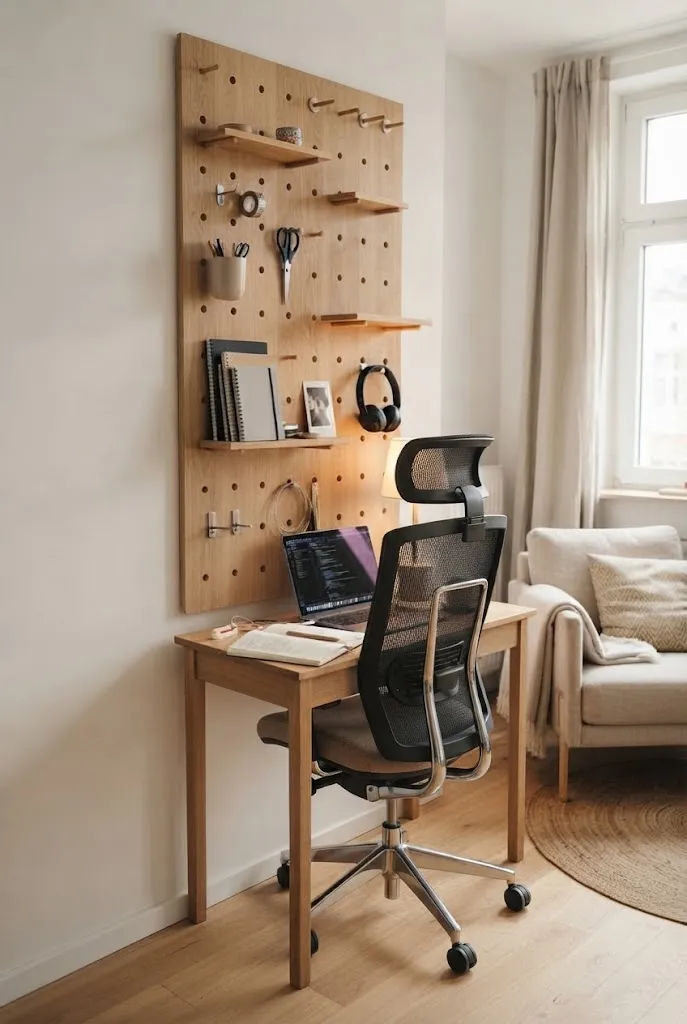
BEFORE: Desk accessories often spread across the work surface when there is no dedicated place for them. Chargers, headphones, stationery, and notes can quickly consume the limited area needed for actual work.
AFTER: A vertical pegboard moves those supplies onto the wall. Hooks and small baskets keep frequently used items visible and accessible while leaving the desktop mostly clear.
A pegboard is especially practical when you need flexible storage that can change with your routine. Arrange everyday items within easy reach and move them as your needs change. Choose a light-colored board against a pale wall for a quieter look, or use a darker frame as a controlled accent.
13. Compact Rolling Cart
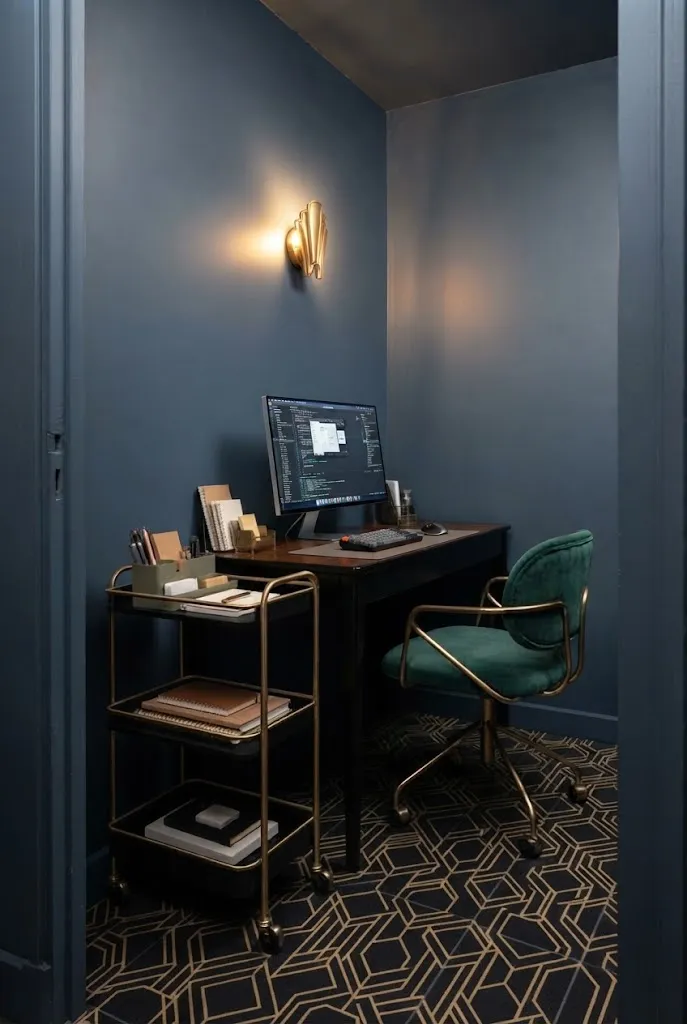
- Measure the gap: Find a narrow space beside or beneath the desk where the cart can slide without blocking movement.
- Assign each tier: Keep daily supplies on top, paperwork in the middle, and less-used equipment on the bottom.
- Add containers: Use small baskets or trays to prevent loose items from making the cart look cluttered.
- Keep it mobile: Leave enough clearance to pull the cart out when you need access to lower shelves.
A rolling cart gives a small office flexible storage without committing valuable floor space to a permanent cabinet. It can hold stationery, notebooks, cables, or even a compact printer. I’ve found that assigning each level a specific purpose makes these carts far more useful and prevents them from becoming a catch-all for clutter.
14. Built-In Wall Nook
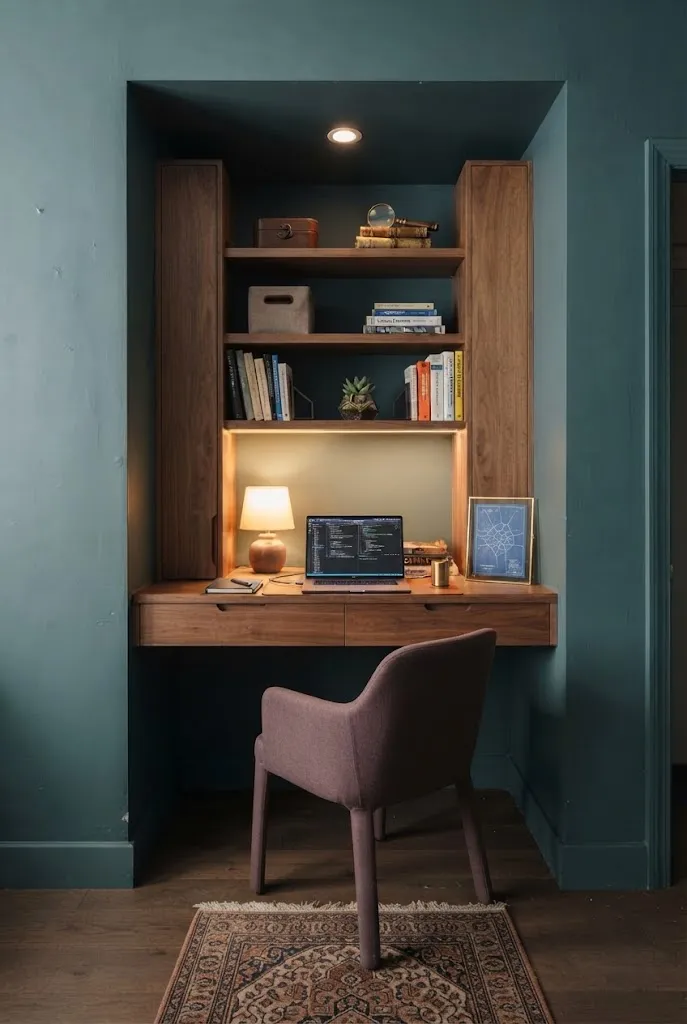
| Feature | Option A: Freestanding Furniture | Option B: Built-In Nook |
|---|---|---|
| Floor footprint | Uses more surrounding space | Fits tightly into the wall |
| Storage | Limited by furniture size | Can use the full wall height |
| Visual appearance | More movable | More integrated |
| Best use | Renters or flexible layouts | Long-term space planning |
A built-in nook can make an awkward recess work much harder. The desk, shelves, and cabinets can be planned around the exact dimensions of the room, reducing wasted gaps. For renters, a similar effect can be created with modular shelving and a narrow desk, giving you flexibility without permanent construction.
Conclusion
A windowless workspace can still feel bright, organized, and welcoming with thoughtful choices. The ideas in this guide show how lighting, vertical storage, compact furniture, reflective surfaces, and smart layouts can help you make better use of every available inch.
Start with one change that solves your biggest problem, then build from there. I’ve seen how small adjustments can completely shift the way a space feels. Save these small room office ideas with no windows on Pinterest for your next decorating project, try your favorites, and share this article with anyone who could use more inspiration for a compact workspace.
Community
Join the conversation
Add a useful idea, ask a specific question, or share what worked in your space. Every comment is reviewed before it appears.