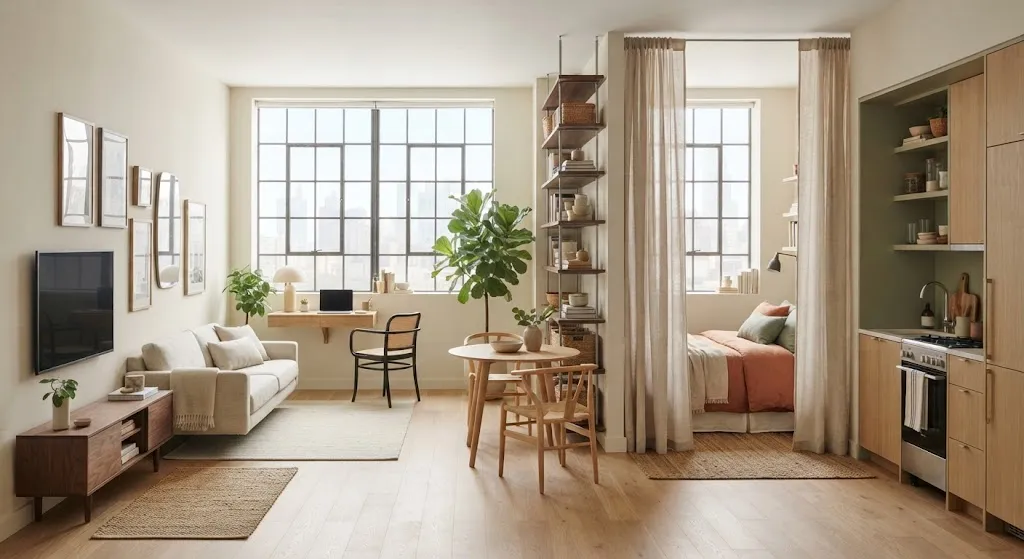
Small spaces can feel stylish, organized, and comfortable without needing a complete makeover. Simple studio apartment ideas can help you make better use of every corner while keeping your home open and inviting.
Whether your studio feels cluttered, lacks defined areas, or simply needs a fresh look, small changes can have a noticeable impact. The right furniture placement, smart storage, flexible pieces, and thoughtful decor can make everyday living easier without sacrificing personality.
In my experience, the biggest difference often comes from making each item work harder. A floating desk can become a workspace, a storage bed can hide seasonal belongings, and a carefully placed rug can visually define your living area. In this guide, you’ll find practical ideas that are easy to adapt to your layout, budget, and personal style. Keep reading for inspiration you can actually use.
1. Define Living Zones
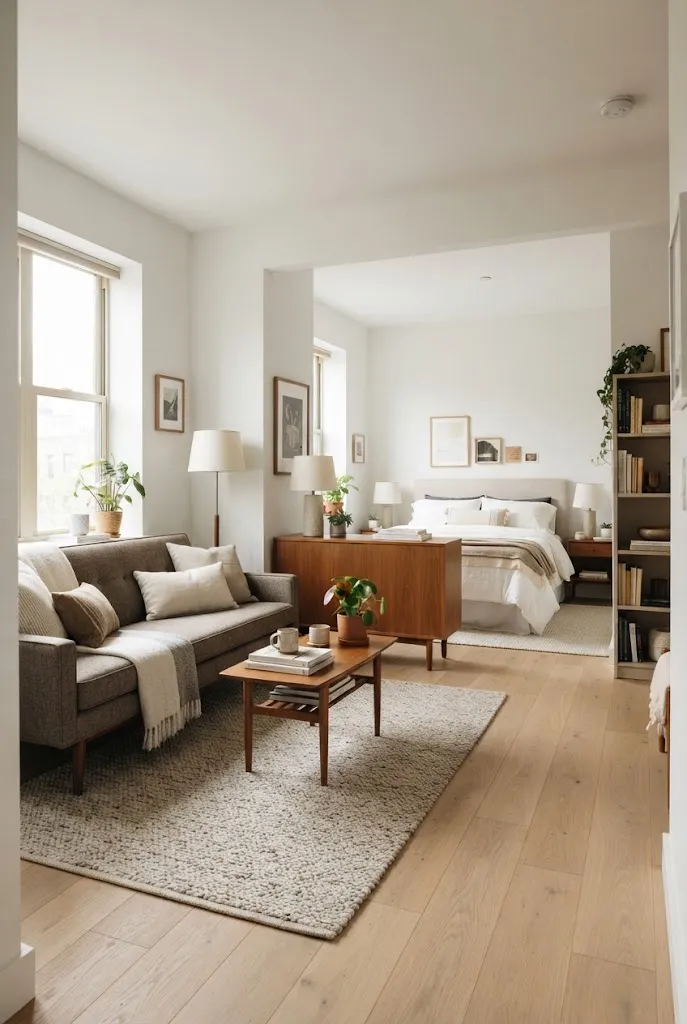
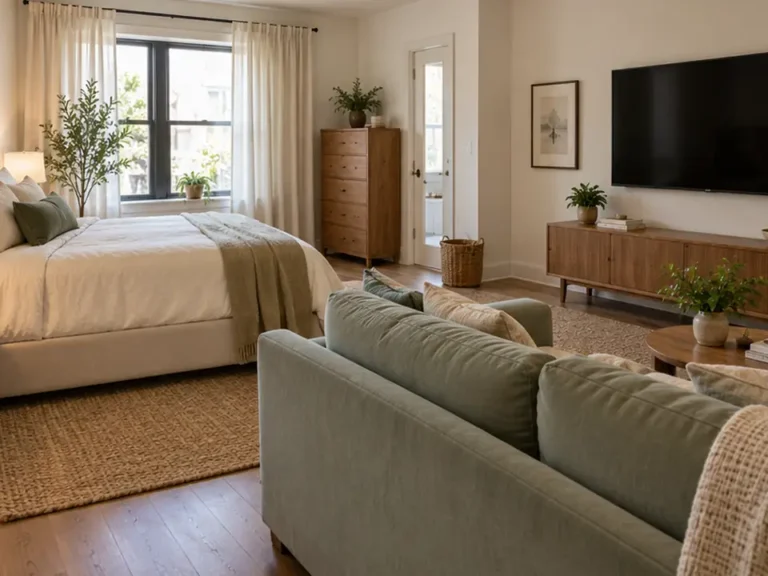
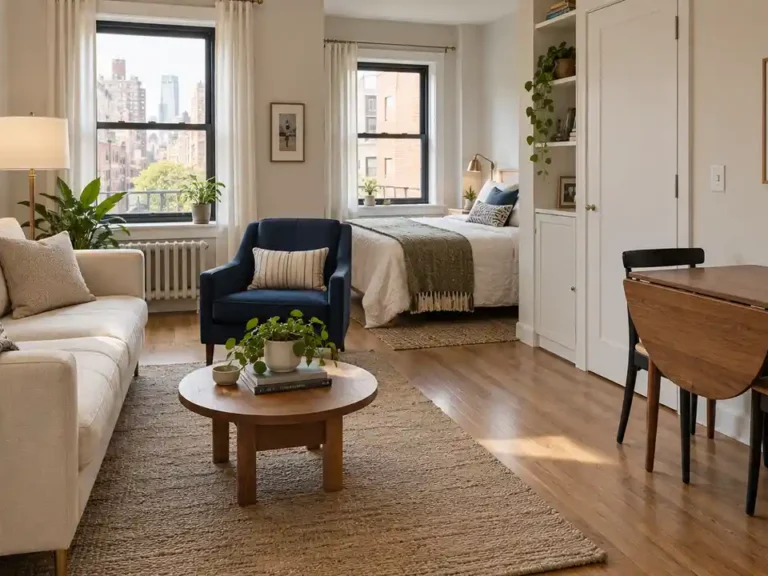
A studio feels much larger when each area has a clear purpose. Place a compact rug beneath the sofa and coffee table to visually anchor the living zone. Keep the surrounding floor open so the boundary feels intentional without adding bulky furniture. This simple arrangement creates structure while preserving walking space.
For the sleeping area, position furniture to create a natural transition rather than blocking the room. A narrow console, open bookcase, or strategically placed chair can subtly separate functions. In my experience, defining zones first makes decorating easier because every piece has a specific job instead of competing for attention.
2. Choose Light Furniture
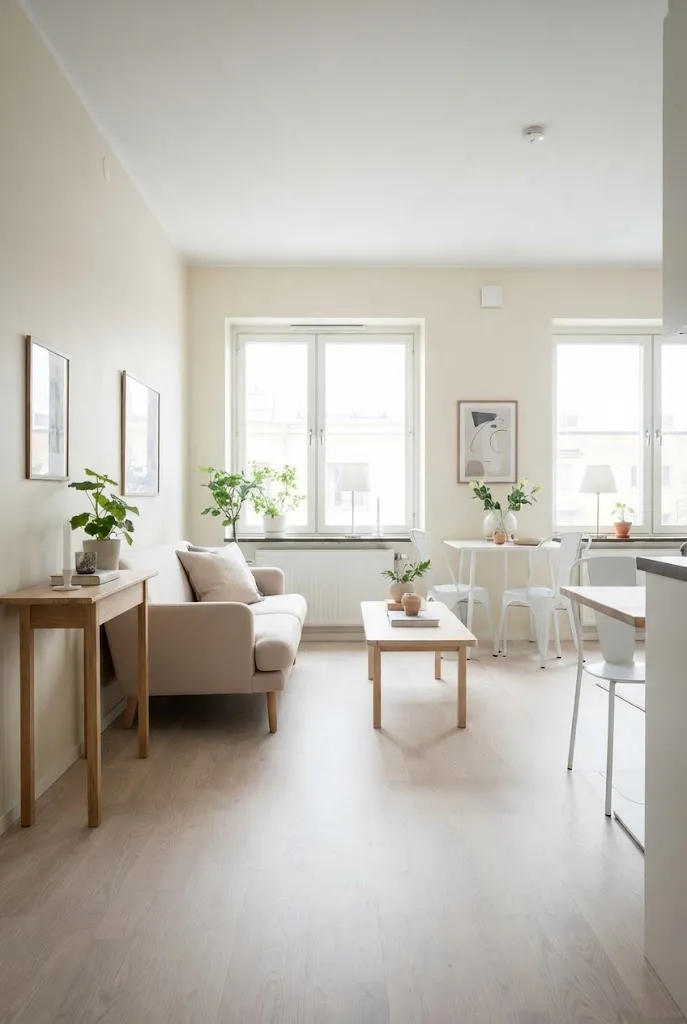
- Choose sofas with exposed legs to keep more floor visible.
- Look for narrow furniture with clean, simple silhouettes.
- Favor light wood, cream, white, or soft beige finishes.
- Avoid oversized arms that consume valuable seating space.
- Measure doorways and pathways before bringing furniture home.
Light-looking furniture does more than keep the room attractive. It allows your eyes to travel underneath and around each piece, making the apartment feel less crowded. For simple studio apartment ideas, prioritize furniture that provides useful function without visually filling every available corner.
3. Add a Wall-Mounted Desk
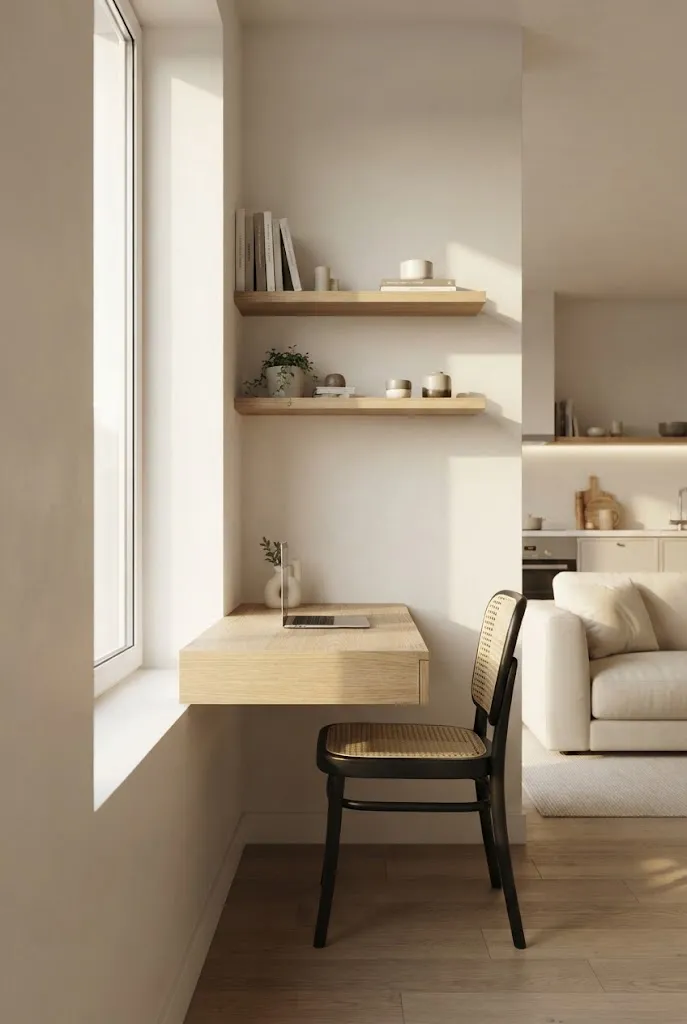
Quick Tip: Choose a desk depth of roughly 16 to 20 inches when floor space is limited. Mount it at a comfortable sitting height and pair it with a chair that can slide completely underneath when you’re finished working.
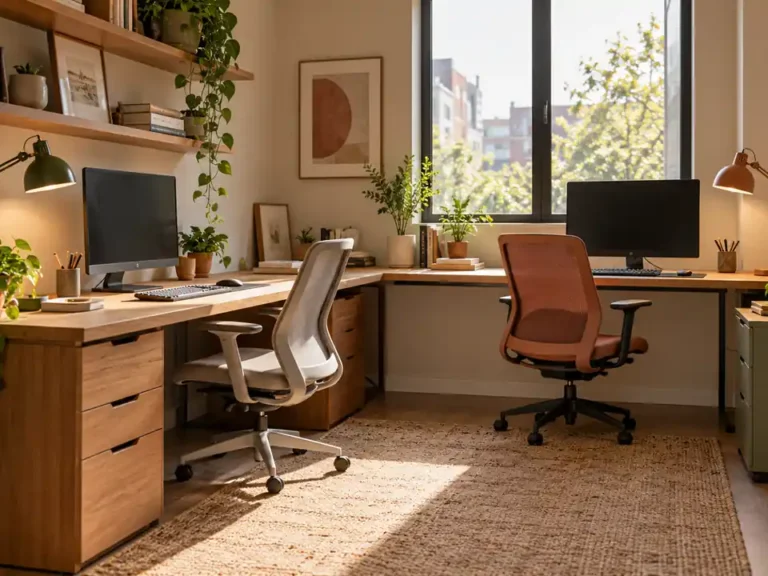
A floating desk keeps the floor underneath visually open, which helps a studio serve as both home and workspace without creating a heavy office corner. Add one small drawer or wall shelf for supplies, then keep the desktop mostly clear. This setup works especially well beside a window or unused wall section.
4. Float the Sofa
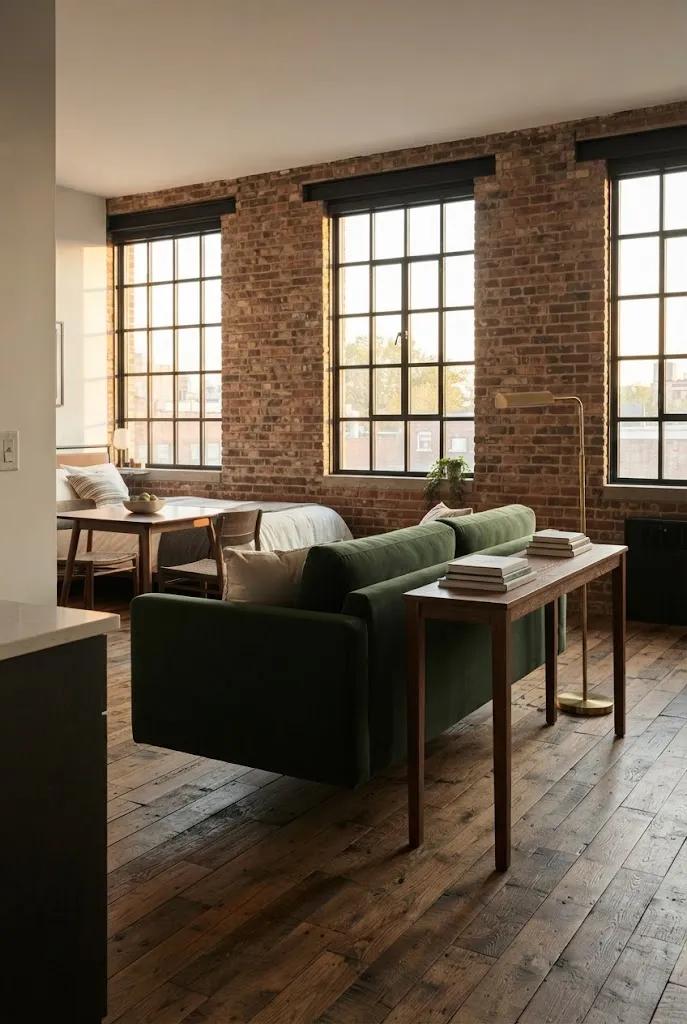
BEFORE: The sofa is pushed tightly against a wall, leaving an awkward open area in the middle and making the layout feel disconnected. The living zone has no clear boundary.
AFTER: Pull the sofa forward and use its back to separate the living area from the sleeping or dining zone. Add a narrow console behind it for lamps, books, or small baskets.
A floating sofa can give a studio a clearer floor plan without adding a bulky divider. Keep enough room behind and beside it for comfortable movement. I’ve noticed that even a small gap can make furniture feel intentionally arranged rather than simply pushed against whatever wall is available.
5. Install Vertical Shelving
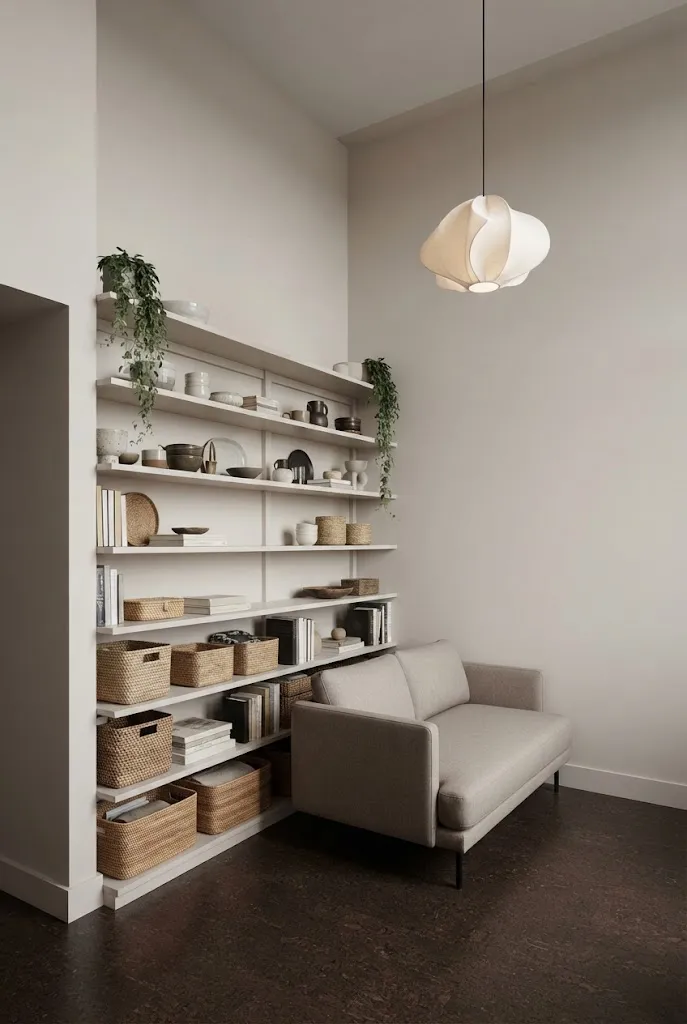
- Measure the wall: Check ceiling height and available width before choosing shelving.
- Go upward: Select a tall unit rather than a wide, low cabinet to preserve floor space.
- Mix storage: Combine baskets, books, decor, and a few open spaces for visual balance.
- Secure the unit: Anchor tall shelving properly according to the manufacturer’s instructions.
Vertical storage puts unused wall height to work while keeping everyday items accessible. Reserve lower shelves for baskets or frequently used belongings, then place lighter decorative pieces higher up. A restrained arrangement keeps the shelving useful without creating another crowded visual zone in your apartment.
6. Use a Round Table
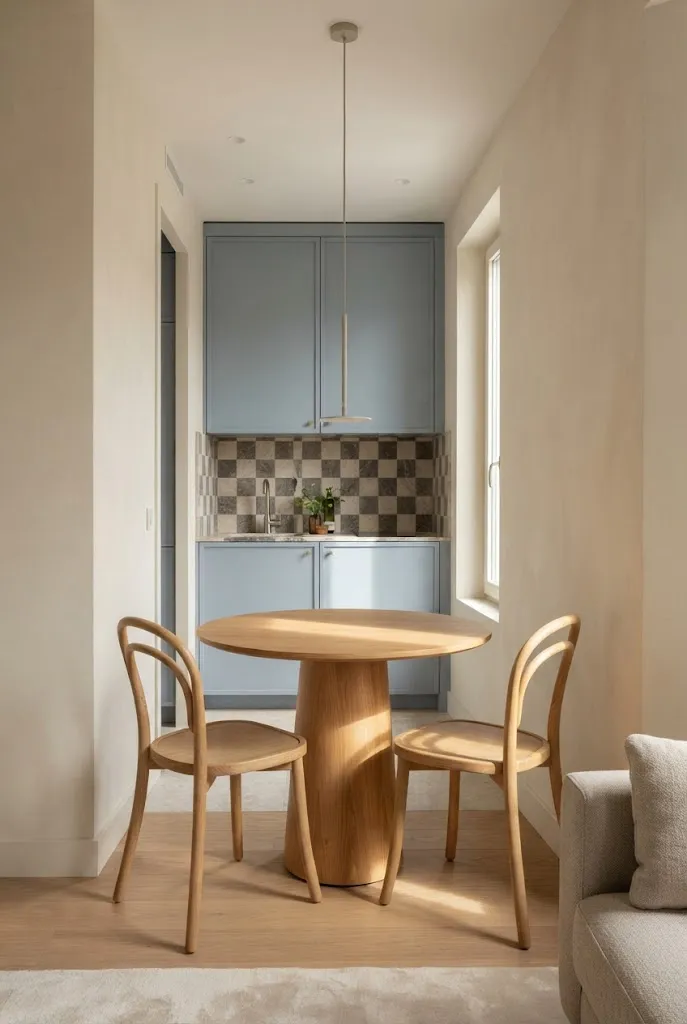
| Option A | Option B |
|---|---|
| Rectangular table | Round table |
| Sharp corners | Softer edges |
| Needs a longer footprint | Fits compact areas more easily |
| Can interrupt walking paths | Easier movement around the table |
A small round table can make an eating area feel less cramped because there are no corners projecting into nearby walking paths. Choose a compact diameter that leaves comfortable clearance around the seating. Pair it with two lightweight chairs that can move easily when the space needs to serve another purpose.
7. Layer Soft Lighting
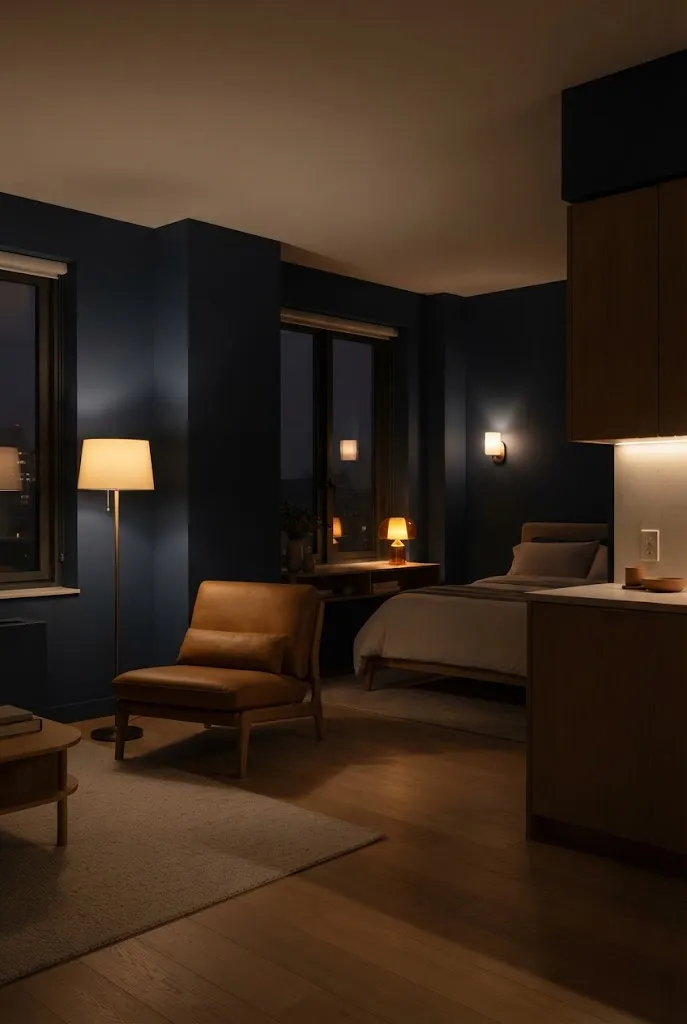
DO
- Place a floor lamp beside the sofa for focused evening light.
- Add a small table lamp near the bed or workspace.
- Choose warm-white bulbs around 2700K to create a comfortable atmosphere.
- Use a wall or ceiling fixture for general illumination.
DON’T
- Rely on one bright overhead light for the entire apartment.
- Place lamps where cords create walking hazards.
- Mix dramatically different bulb colors in the same visual zone.
- Overfill small surfaces with multiple decorative lamps.
Good lighting changes how a compact room feels after sunset. Layering several smaller light sources creates separate pools of illumination, making the studio feel more comfortable and visually organized. Keep the brightest source away from eye level, and use softer lamps near seating and sleeping areas for a relaxed evening setting.
8. Hide Clutter Smartly
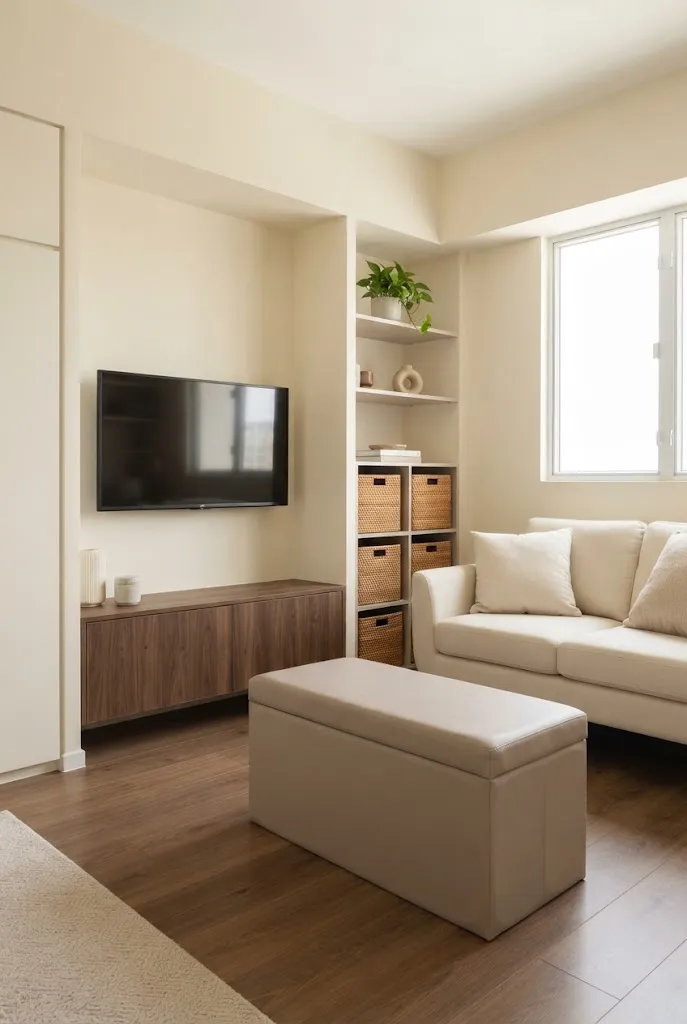
Storage Type: Closed cabinet | Best for visual clutter and everyday items
Storage Type: Woven baskets | Best for blankets, accessories, and loose belongings
Storage Type: Storage ottoman | Best for small living rooms and extra seating
Storage Type: Under-bed boxes | Best for seasonal clothing and rarely used items
Hidden storage keeps useful belongings nearby without making every surface look busy. Give frequently used items the easiest access, while seasonal or occasional belongings can go beneath the bed or into higher cabinets. I’ve seen compact rooms feel noticeably calmer once storage decisions are made before decorative pieces are added.
9. Mirror a Narrow Wall
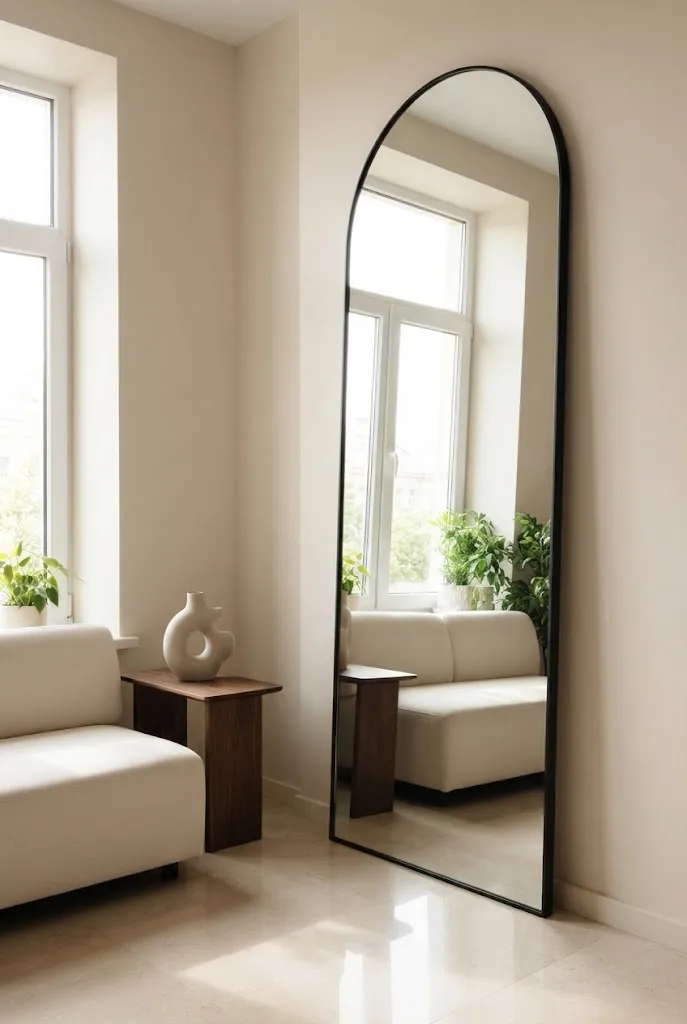
A tall mirror can visually extend a narrow part of the apartment while reflecting available daylight. Position it where it catches a window or bright wall rather than facing a cluttered storage area. For the strongest effect, choose a slim frame and leave enough surrounding space so the reflection feels intentional.
The best placement depends on what the mirror reflects. A clean seating area, window, or attractive architectural detail adds depth without introducing visual noise. Secure larger mirrors appropriately, especially in homes where they may be bumped or moved frequently.
10. Mount the TV
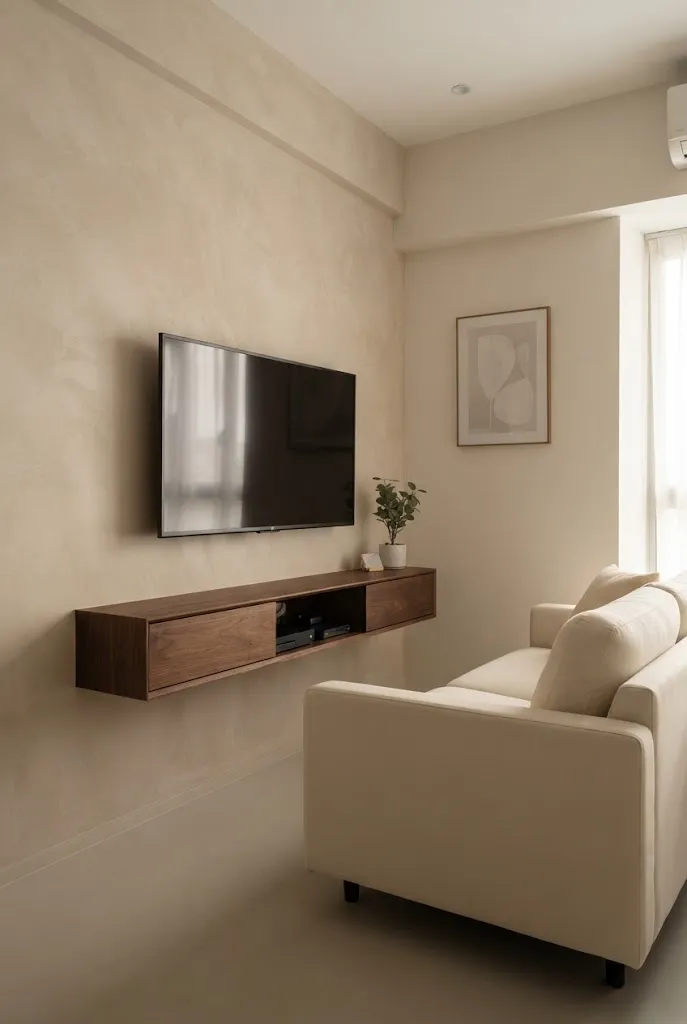
- Mount the TV at a comfortable viewing height rather than placing it on bulky furniture.
- Choose a narrow console underneath for only essential electronics and storage.
- Hide or neatly organize visible cables to keep the wall visually clean.
- Keep decor around the screen minimal so the entertainment area does not dominate the room.
- Position seating to maintain a clear walking path between zones.
Mounting the television frees valuable floor space and creates a cleaner focal point. A shallow console can still provide storage for devices without becoming visually heavy. For small studio layouts, keeping electronics close to the wall helps preserve open circulation and leaves more room for furniture that serves everyday needs.
11. Use Curtain Dividers
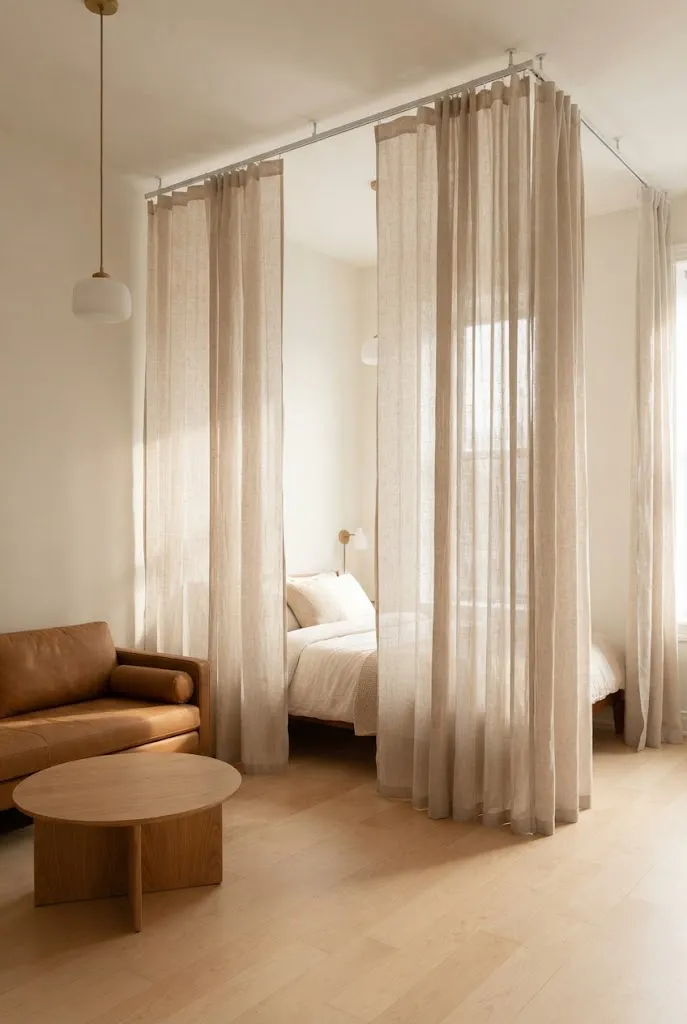
Quick Tip: Choose curtains that extend close to the ceiling and reach the floor. A ceiling-mounted or high-mounted track creates a taller visual line, while lightweight linen or cotton allows some daylight to pass through.
Curtains offer privacy without permanently closing off the sleeping area. Unlike a solid partition, they can be pulled aside whenever you want the apartment to feel more open. Select a neutral fabric that relates to your existing walls and bedding, then keep the surrounding furniture visually simple.
12. Choose a Storage Bed
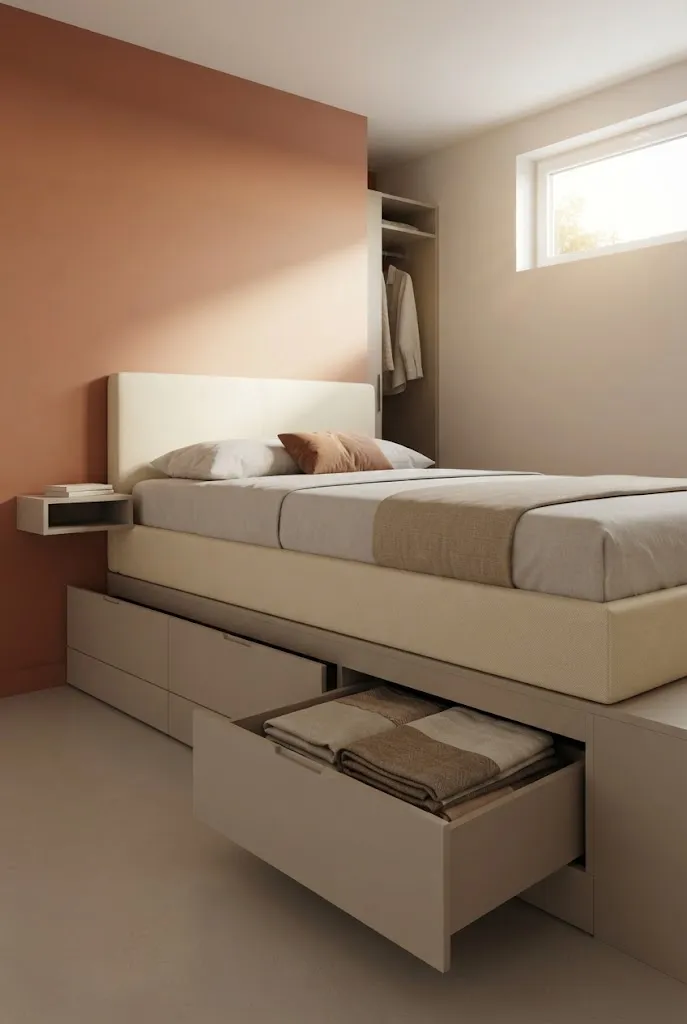
BEFORE: Extra blankets, seasonal clothes, and rarely used belongings occupy loose boxes or overflow into closets. The sleeping area feels crowded, with little room left for useful storage.
AFTER: A storage bed keeps those belongings underneath the mattress, leaving surrounding floor space open. Matching baskets or labeled containers inside the compartments make seasonal changes easier to manage.
A storage bed turns an area you already need into useful organization space. Before buying one, check how the drawers or lift mechanism open and make sure nearby furniture will not block them. Keep heavier belongings toward the most accessible sections and reserve difficult-to-reach areas for seasonal items.
13. Hang Floating Nightstands
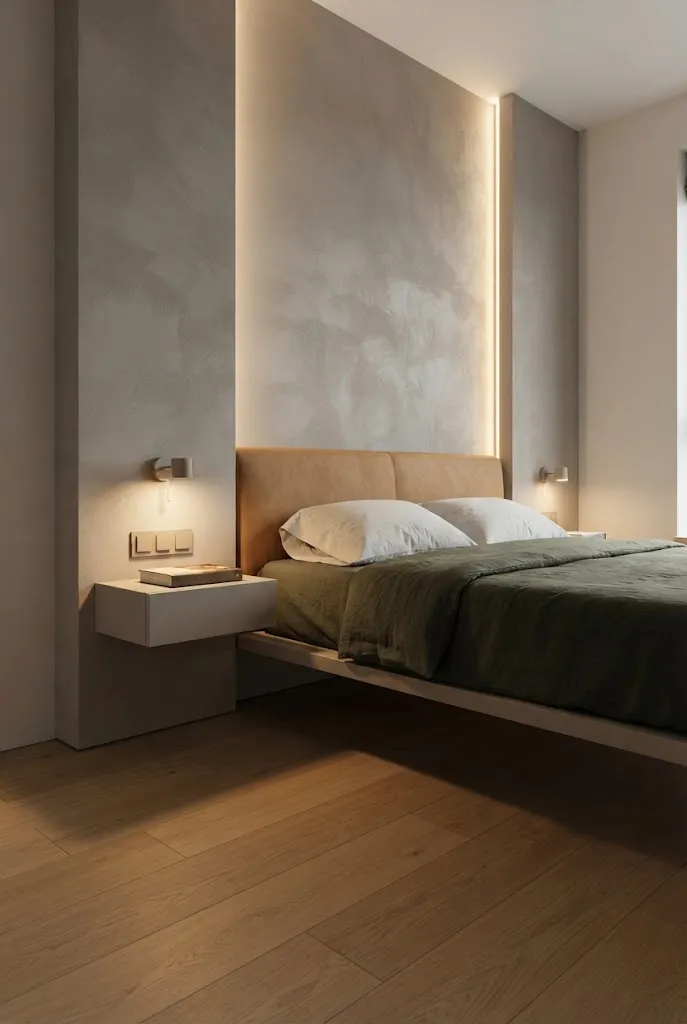
- Measure the bedside space: Leave enough clearance for comfortable movement between the bed and nearby furniture.
- Mount at the right height: Position the shelf or cabinet close to mattress height for easy access.
- Keep it compact: Choose a narrow design that holds only essentials such as a lamp, phone, and book.
- Secure it properly: Follow the mounting instructions and use suitable hardware for your wall type.
Floating nightstands eliminate bulky legs and keep more floor visible around the bed. A small wall-mounted shelf can provide enough room for nighttime essentials without competing with other furniture. Keep the surface intentionally sparse, especially in a studio where every visible item contributes to the overall sense of clutter.
14. Create a Fold-Down Table
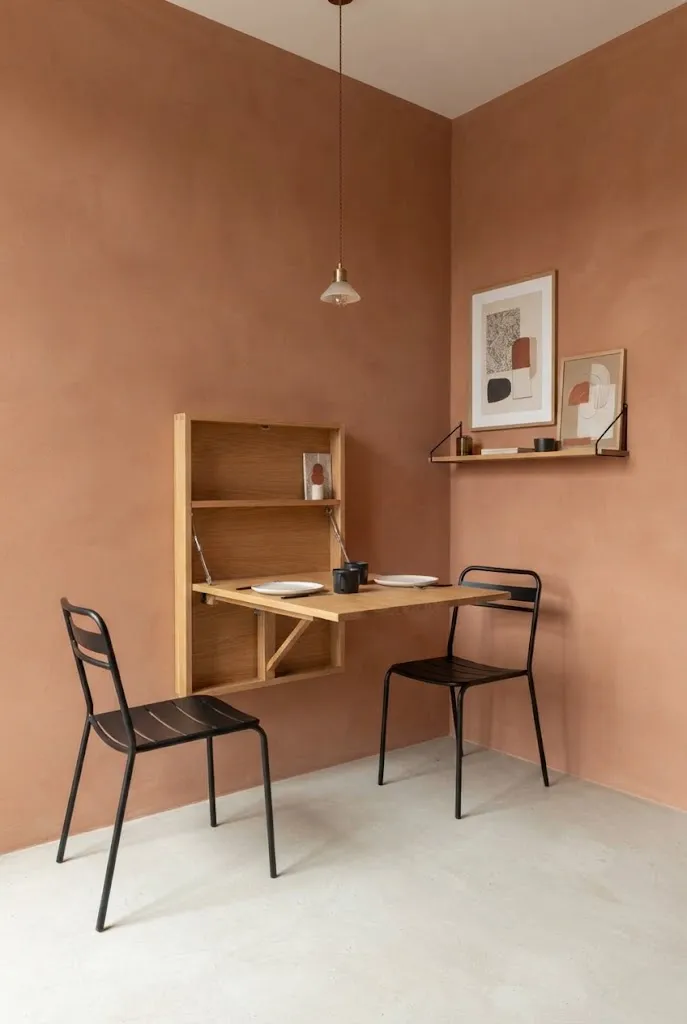
| Option A | Option B |
|---|---|
| Fixed dining table | Fold-down table |
| Uses floor space constantly | Frees floor space when folded |
| Always visible | Disappears against the wall |
| Better for frequent dining | Better for flexible layouts |
A fold-down table gives you a dedicated surface without permanently occupying the middle of the room. It can serve as a dining spot, temporary workspace, or craft surface, depending on your routine. Choose a sturdy wall-mounted model and keep nearby seating lightweight enough to move when the table is folded away.
15. Style One Accent Wall
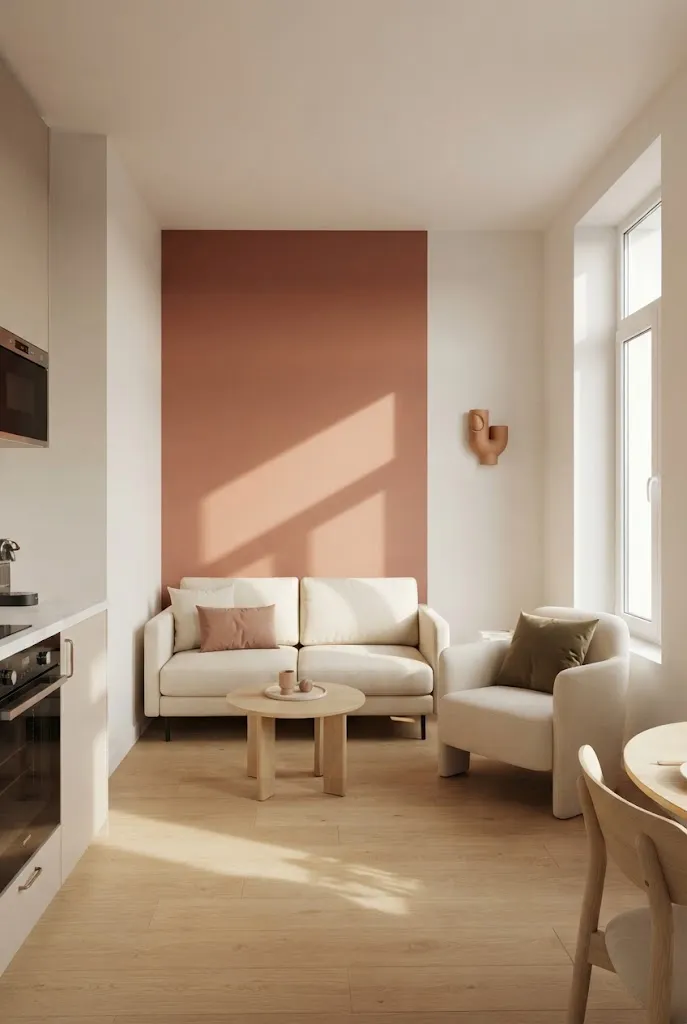
DO
- Choose one wall that naturally anchors a major furniture zone.
- Use a muted color that complements your existing furnishings.
- Keep artwork and accessories restrained on the accent wall.
- Repeat the wall color subtly through cushions or small decor.
DON’T
- Use several competing accent colors throughout the studio.
- Cover every inch of the wall with decorations.
- Choose a dramatic shade without testing it in your actual lighting.
- Ignore how the wall color looks during both daytime and evening.
A single accent wall can add definition without visually shrinking the entire apartment. Warm beige, muted green, dusty blue, or soft terracotta can work particularly well with neutral furniture. Test a sample first, because natural and artificial light can change how the same paint color appears throughout the day.
16. Maximize Entry Storage
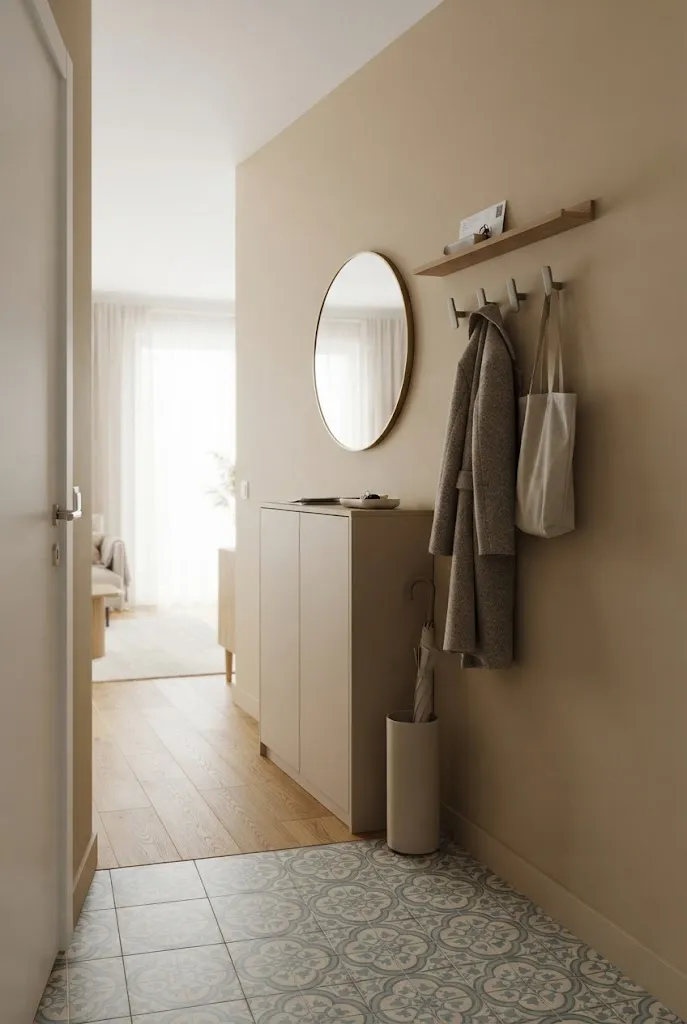
Cost: Low to moderate | Time: A few hours | Skill Level: Beginner
Best For: Shoes, bags, coats, and daily essentials
Works In: Narrow entryways and small studio apartments
Result: A cleaner entrance with less visible clutter
The entryway sets the tone for the entire apartment, so give everyday items a designated home. A slim cabinet can hide shoes while hooks handle bags and jackets. Add one small tray for keys and sunglasses. Keeping this zone organized prevents clutter from spreading into the living area.
17. Use Under-Sofa Storage
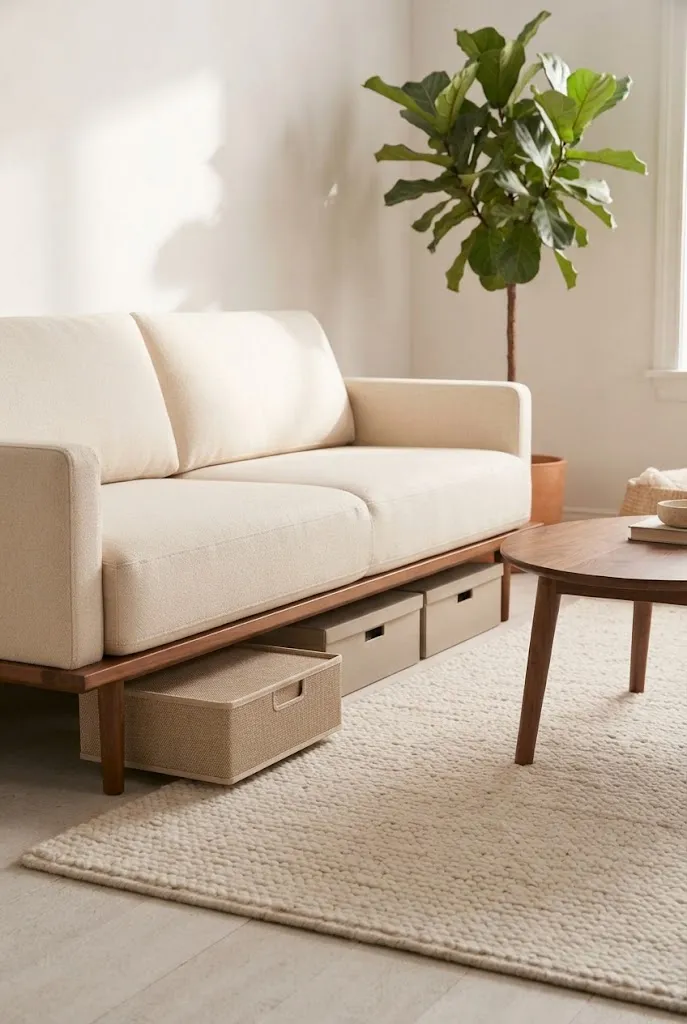
Storage beneath the sofa can turn overlooked floor space into a practical hiding spot. Select shallow containers that slide completely underneath without catching on the frame. Store blankets, seasonal accessories, or rarely used items there rather than things you need every day.
For a cleaner appearance, choose matching boxes or neutral woven baskets that coordinate with the room. Measure the available height before purchasing containers, and leave enough clearance to remove them easily. This small storage upgrade works especially well when closet space is limited.
18. Arrange Furniture by Flow
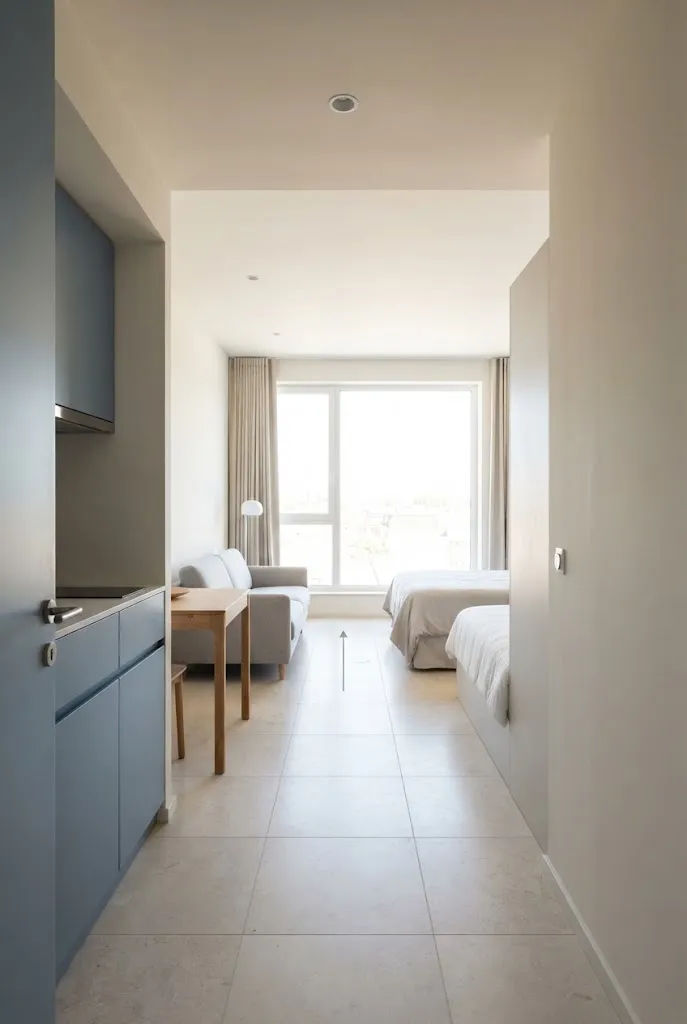
A thoughtful furniture layout starts with movement, not decoration. Keep the main route between the entrance, kitchen, bathroom, and sleeping area clear before positioning smaller pieces.
- Mark pathways: Identify the routes you use most throughout the day.
- Place large pieces: Position the bed and sofa first without blocking those routes.
- Add functional furniture: Bring in tables, shelves, and storage only where they support daily activities.
- Check clearance: Walk through the apartment and adjust anything that feels tight or awkward.
I’ve noticed that a room can contain fewer pieces yet still feel cramped when the walking path is poorly planned. Give yourself enough space to move naturally around furniture, open doors, and pull out chairs. Good circulation makes even a modest studio feel easier to live in.
19. Repeat Natural Textures
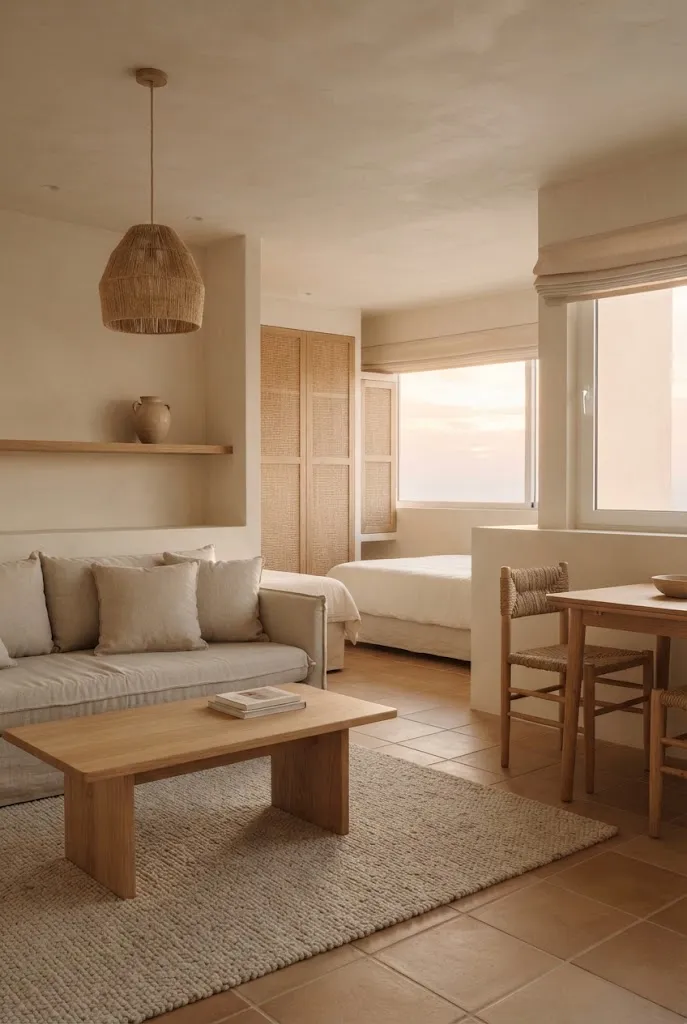
- Repeat light wood through at least two furniture pieces.
- Add woven baskets or a natural-fiber rug for tactile contrast.
- Use linen or cotton textiles around the sofa and bed.
- Keep the palette connected with cream, beige, tan, and soft brown tones.
Natural textures give a small apartment visual warmth without requiring lots of decoration. Repeating the same materials in different areas also helps the studio feel connected rather than divided into unrelated corners. Keep the mix restrained, because too many competing textures can make a compact room feel visually busy.
Conclusion
A small studio does not need to feel limited. With thoughtful layouts, flexible furniture, smart storage, and warm textures, you can create a home that feels organized and personal while making every square foot count. These simple studio apartment ideas are designed to give you practical starting points without requiring a complete redesign.
I’ve seen how small changes like better furniture placement or hidden storage can completely shift the way a space feels. Pick one idea that suits your home and try it this week. Save this post on Pinterest for your next decorating project, and share it with someone who could use a little more style and space in their apartment.
Community
Join the conversation
Add a useful idea, ask a specific question, or share what worked in your space. Every comment is reviewed before it appears.